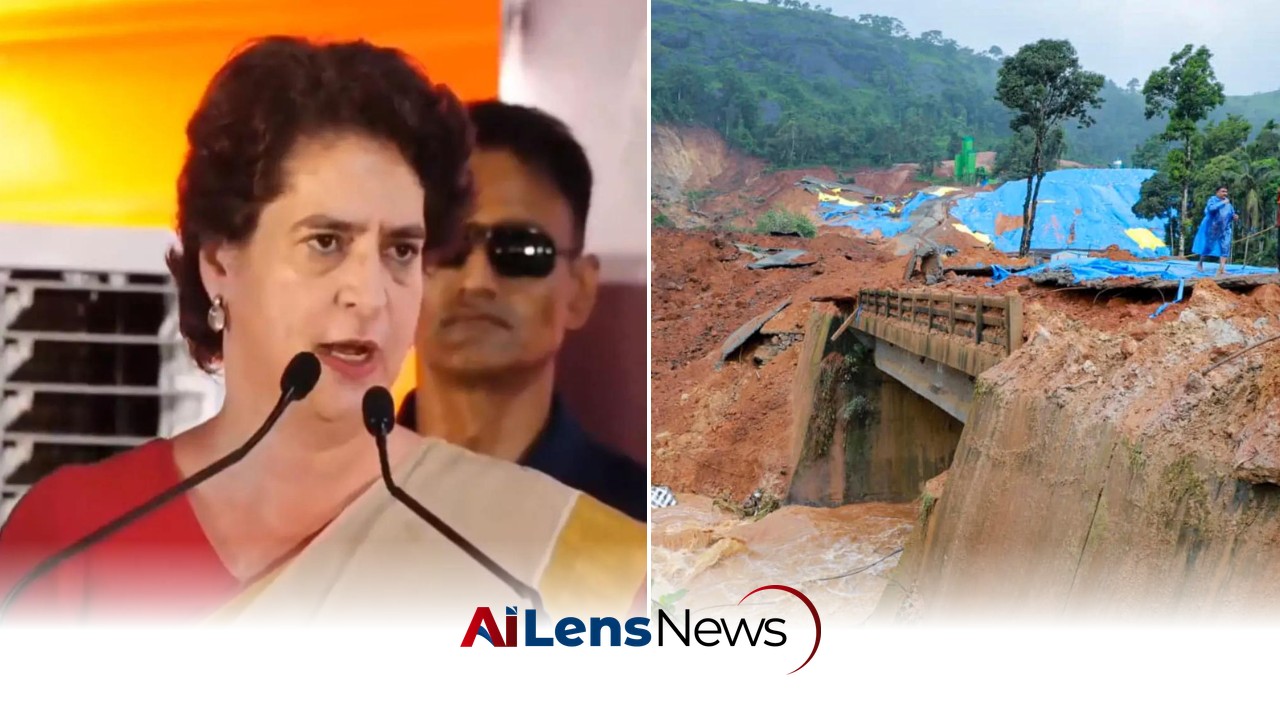


Wayanad MP Priyanka Gandhi urged UDF workers and the public to support ongoing rescue operations in the landslide-affected area, emphasizing adherence to administration guidelines.
New Delhi, India Jul 7, 2026 ALN: Wayanad MP Priyanka Gandhi has made a heartfelt appeal to the United Democratic Front (UDF) workers, party functionaries, and the general public to extend their support to the ongoing rescue operations in the landslide-hit region. The appeal comes as rescue efforts intensify to locate and save individuals who remain trapped in the aftermath of the disaster.
During her address, Gandhi emphasized the importance of following the guidelines set forth by the local administration to ensure the safety and efficiency of the rescue operations. She highlighted that the situation is critical, and every possible effort is being made to assist those affected by the landslide.
The landslide, which occurred recently, has caused significant damage to infrastructure and has left many individuals stranded. Rescue teams are working tirelessly, utilizing heavy machinery and manpower to clear debris and reach those in need. The landslide has not only impacted the immediate area but has also disrupted transportation and communication lines, making it more challenging for rescue teams to operate effectively.
This disaster highlights the vulnerability of certain regions to natural calamities, particularly in the context of climate change, which has been linked to an increase in extreme weather events. The Wayanad district, known for its hilly terrain and dense forests, has experienced landslides in the past, often exacerbated by heavy rainfall during the monsoon season. This incident serves as a stark reminder of the need for improved infrastructure and disaster preparedness in such regions.
Gandhi's call for support is aimed at mobilizing local resources and volunteers to aid in the rescue efforts. She urged citizens to come together in this time of crisis, emphasizing that collective action can make a substantial difference in the lives of those affected. Community involvement is crucial not only for immediate rescue operations but also for long-term recovery efforts, which may include providing shelter, food, and psychological support to the victims of the landslide.
The response from local communities has been commendable, with many residents stepping up to provide assistance. This includes offering food and shelter to displaced individuals, as well as volunteering their time and skills to help with the rescue and recovery efforts. Local NGOs and civil society organizations have also joined the efforts, providing essential supplies and support to the rescue teams and affected families.
The local government has been actively coordinating with various agencies to ensure that rescue operations are conducted smoothly. Emergency services are on high alert, and additional resources are being deployed to assist in the recovery efforts. The government has also reached out to neighboring states for assistance, recognizing that the scale of the disaster may require more resources than are available locally.
In addition to immediate rescue operations, the government is also focusing on assessing the damage and planning for rehabilitation. This includes evaluating the structural integrity of buildings and roads in the affected areas to prevent further casualties. The government is expected to announce relief packages for the victims, which will include financial aid, medical assistance, and support for rebuilding homes and infrastructure.
The landslide in Wayanad raises important questions about disaster preparedness and climate resilience in the region. As extreme weather events become more frequent, it is crucial for local and state governments to invest in infrastructure that can withstand such disasters. This includes improving drainage systems, reinforcing slopes, and implementing better land-use planning to minimize the impact of heavy rains.
Moreover, the incident underscores the need for community education and awareness programs about disaster preparedness. Residents should be informed about the risks associated with living in landslide-prone areas and the steps they can take to protect themselves and their families. This could include creating emergency plans, establishing communication networks, and conducting regular drills to ensure that everyone knows what to do in the event of a disaster.
The history of landslides in Wayanad is not a new phenomenon. The district, located in the Western Ghats, has a topography that is particularly susceptible to landslides, especially during the monsoon season when heavy rains saturate the soil. Past incidents have prompted discussions about the need for better land management and the implementation of early warning systems to alert residents of potential dangers.
In recent years, the impact of climate change has become increasingly evident, with unpredictable weather patterns leading to more intense rainfall and subsequent landslides. This has raised concerns among environmentalists and policymakers alike, highlighting the urgent need for comprehensive strategies to address the challenges posed by climate change in vulnerable regions.
In the wake of such disasters, technology plays a vital role in enhancing disaster management efforts. The use of satellite imagery and Geographic Information Systems (GIS) can help in assessing damage and planning recovery efforts. Drones equipped with cameras can be deployed to survey inaccessible areas, providing real-time information to rescue teams about the extent of the landslide and the locations of trapped individuals.
Furthermore, mobile applications designed for disaster response can facilitate communication among rescue teams, volunteers, and affected residents. These technologies can streamline the coordination of resources and improve the overall efficiency of rescue operations.
As the situation evolves, the focus remains on saving lives and providing necessary support to the victims of the landslide. Priyanka Gandhi's appeal serves as a reminder of the importance of community solidarity in of crisis. The collective efforts of the government, local organizations, and citizens will be vital in navigating the immediate aftermath of this disaster and in laying the groundwork for a more resilient future.
In the coming days, it will be crucial to monitor the progress of the rescue operations and the response from the government and community. As the region grapples with the aftermath of this tragedy, it will be essential to ensure that lessons are learned and that measures are put in place to prevent similar disasters in the future. The resilience of the Wayanad community, coupled with effective governmental response and support, will determine the path forward in rebuilding lives and infrastructure in the wake of this natural calamity.
To learn more about the latest developments in Regional Politics, stay updated with our exclusive reports and analyses on AiLensNews.

