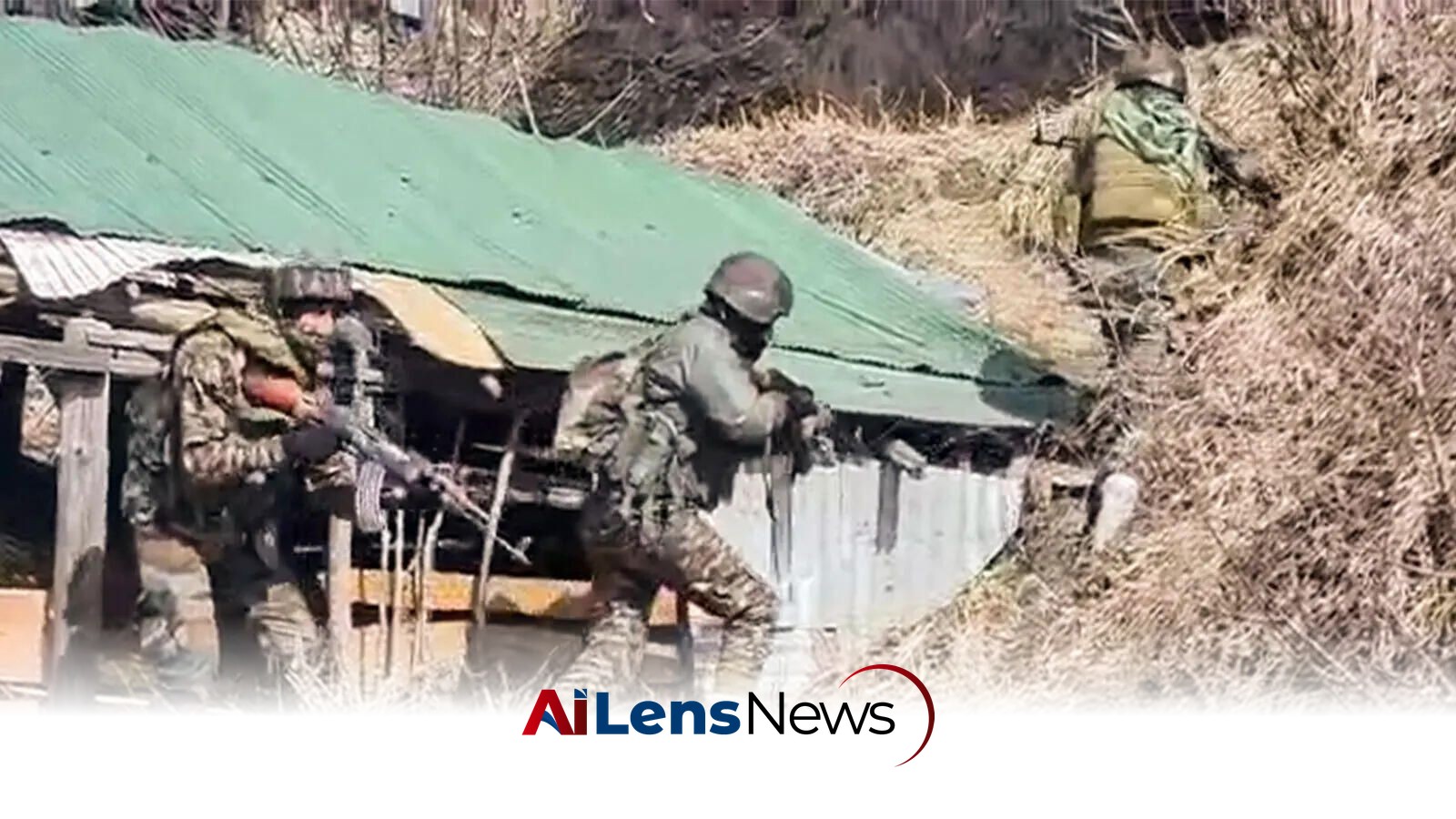


Two Assam Rifles personnel were killed in an ambush by suspected militants in Manipur's Ukhrul district. Security forces are currently engaged in operations to apprehend the attackers.
New Delhi, India Jul 7, 2026 ALN: Two personnel from the Assam Rifles, a paramilitary force in , tragically lost their lives following an ambush by suspected militants in Manipur's Ukhrul district. This incident occurred on National Highway 202 on a Monday afternoon, a region that has seen its share of violence and insurgency-related activities over the years. The Assam Rifles, established in 1835, is one of the oldest paramilitary forces in , primarily tasked with maintaining peace and security in the northeastern states, particularly in areas with a history of ethnic conflict and insurgency.
The ambush underscores the ongoing challenges faced by security forces in Manipur, where various militant outfits operate and often target security personnel. These groups, some of which have been fighting for greater autonomy or independence, have created a volatile environment that complicates the task of maintaining law and order. The Assam Rifles has been engaged in various operations against these insurgent groups, and the recent attack highlights the persistent threat that security forces face in their line of duty.
In the immediate aftermath of the attack, security forces mounted a rapid response, engaging in an exchange of fire with the assailants. This quick reaction underscores the operational readiness of the Assam Rifles, which has been involved in counter-insurgency operations for decades. The ability to respond swiftly to such attacks is crucial, as it not only aims to neutralize immediate threats but also serves as a deterrent to future ambushes. Further operations are currently underway, with the aim of apprehending those responsible for this violent act, reflecting the commitment of the security forces to uphold their mandate in the face of adversity.
The deceased soldiers have been identified as Warrant Officer Balwant Singh and Constable CM Singh. Their deaths serve as a somber reminder of the risks faced by security personnel stationed in conflict-prone areas. Both individuals were part of a larger contingent tasked with ensuring the safety and security of civilians in a region that has been marred by ethnic strife and insurgency. The loss of life in such operations not only impacts the families of the soldiers but also reverberates through the communities they serve, highlighting the human cost of ongoing conflict.
Manipur, located in the northeastern part of , has a complex socio-political landscape characterized by ethnic diversity and historical grievances. The state has been a hotbed for various insurgent groups that have been fighting for greater autonomy or independence. The presence of these groups has led to a protracted conflict that has resulted in numerous casualties over the years, affecting both security forces and civilians alike. The ongoing violence has created an atmosphere of fear and uncertainty, complicating efforts for peace and reconciliation.
The ambush on the Assam Rifles personnel is not an isolated incident but rather part of a broader pattern of violence that has plagued the region. Various militant organizations, including those advocating for the rights of specific ethnic groups, have been known to target security forces as a means of asserting their influence and objectives. The ongoing tensions often lead to retaliatory actions by security forces, which can exacerbate the cycle of violence. This cycle presents significant challenges not only for security operations but also for the broader peace process in the region.
In response to the persistent violence, the n government has been attempting to address the situation in Manipur through various means, including peace talks with some insurgent groups and efforts to enhance development in the region. However, the effectiveness of these initiatives has been questioned, especially in light of recent violent incidents. The ambush on Assam Rifles personnel may prompt a reevaluation of security strategies and policies in the region. Policymakers may need to consider more comprehensive approaches that address the root causes of insurgency, including socio-economic disparities and political grievances.
The loss of Warrant Officer Balwant Singh and Constable CM Singh has evoked a strong response from various quarters, including political leaders and defense officials. Their sacrifice is being honored as part of the ongoing struggle to maintain peace and security in a region that continues to face significant challenges. Memorials and tributes are likely to be organized to pay respects to the fallen soldiers, reflecting the deep sense of loss felt by their families, comrades, and the community. Such gestures serve to reinforce the commitment to honor those who serve in the line of duty and highlight the collective grief experienced by society in the wake of such tragedies.
The implications of this attack extend beyond the immediate loss of life. It raises questions about the effectiveness of current counter-insurgency operations and the safety of security personnel deployed in high-risk areas. Moreover, it serves as a stark reminder of the need for a comprehensive approach to conflict resolution that addresses the underlying issues fueling insurgency in Manipur. The government and security agencies may need to reassess their strategies to ensure that they are not only reactive but also proactive in preventing further violence.
As the security forces continue their operations to track down the assailants, there is a pressing need for dialogue and engagement with local communities to foster trust and cooperation. Building relationships with civilians can play a crucial role in gathering intelligence and reducing the support base for militant groups. Initiatives that promote community engagement, such as outreach programs and collaborative security efforts, may be essential in bridging the gap between security forces and local populations. The government and security agencies may need to consider long-term strategies that prioritize development, education, and employment opportunities to mitigate the factors that contribute to unrest.
In conclusion, the ambush that resulted in the deaths of two Assam Rifles personnel is a tragic event that underscores the complexities of the security situation in Manipur. It highlights the ongoing struggle between state forces and militant groups, as well as the need for a multifaceted approach to peace and stability in the region. The loss of lives in such violent incidents continues to resonate deeply within the fabric of society, prompting calls for renewed efforts to achieve lasting peace in Manipur and the broader northeastern region of . The situation remains fluid, and the path toward resolution will require concerted efforts from all stakeholders involved, emphasizing the importance of dialogue, understanding, and cooperation.
To learn more about the latest developments in Regional Politics, stay updated with our exclusive reports and analyses on AiLensNews.

