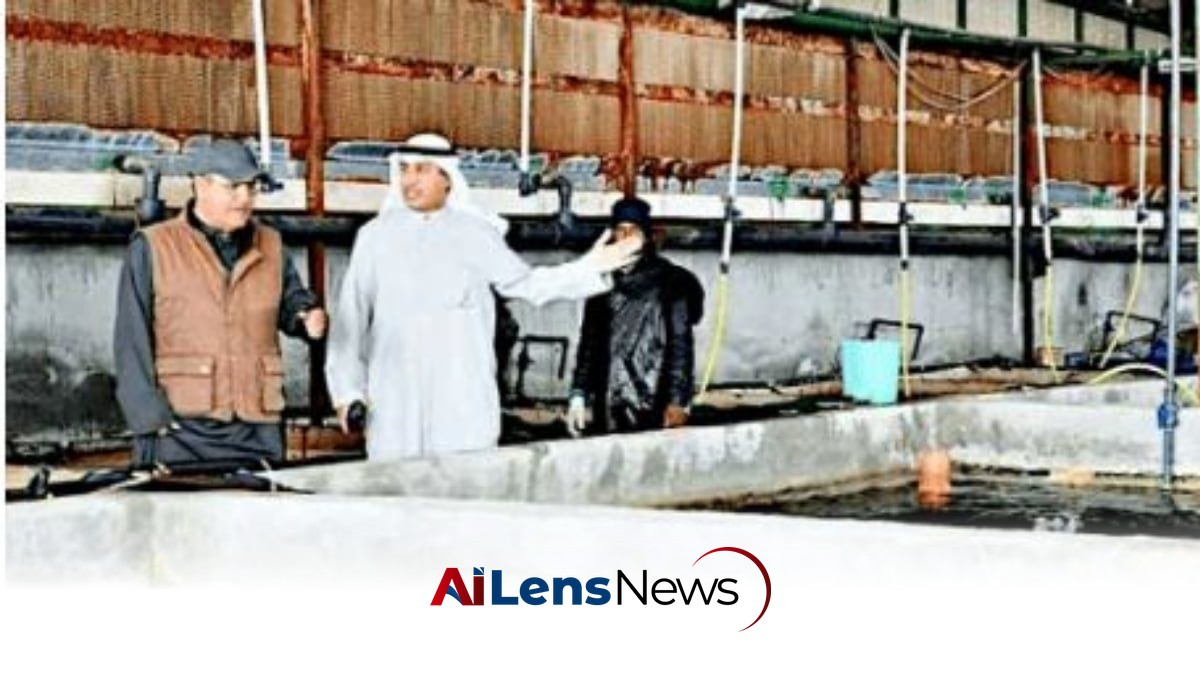


Kuwait's fish farming initiative, aimed at boosting local seafood production, is 67% complete and expected to be operational by 2030.
Islamabad, Pakistan Jul 16, 2026 ALN: A recent government report from Kuwait has stated that its marine fish farming project has reached 67% completion and is expected to become fully operational by 2030.
The ‘Economic Production of Multiple Marine Fish (Fish, Crustaceans, Molluscs, and Coral)’ project has been allocated a budget of KD 24 million. It is designed to boost local seafood production, stabilize market prices, and create a strategic reserve of marine products. This initiative is part of a broader strategy to enhance food security and economic resilience in the region.
Authorities say the fish farming project aims to stabilize prices for consumers, combat monopolies, and provide a secure strategic reserve to ensure the stability of the local market, especially during geopolitical and global crises. In recent years, fluctuations in global seafood prices and supply chain disruptions caused by events such as the COVID-19 pandemic have highlighted the vulnerability of food systems and the importance of local production capabilities. The pandemic, in particular, underscored the risks associated with over-reliance on imports, prompting governments worldwide to rethink their food security strategies.
The project also seeks to develop Kuwait’s aquaculture industry, ensure a sustainable supply of fresh seafood, and prevent unjustified price increases. With a growing population and increasing demand for seafood, the initiative is timely and necessary. Traditionally, Kuwait has relied heavily on imported seafood, which can be subject to price volatility and supply uncertainties. By enhancing local production, the government aims to reduce dependency on imports and enhance food security. This is crucial for a nation where the per capita seafood consumption is among the highest in the region, reflecting both cultural preferences and dietary habits.
The initiative aims to expand Kuwait’s aquaculture sector and reduce pressure on natural fish stocks by narrowing the gap between supply and demand. Overfishing and environmental degradation have severely impacted global fish stocks, making sustainable practices in aquaculture essential. By investing in marine fish farming, Kuwait not only seeks to provide a steady supply of seafood but also to promote environmentally friendly practices that support marine biodiversity. The project is expected to incorporate advanced aquaculture technologies and sustainable practices, aligning with global trends in responsible seafood production.
Officials expect the project to create new employment opportunities for young people and support industries linked to seafood production, including fish processing, packaging, transportation, marketing, and marine feed manufacturing. The diversification of the local economy is a key priority for the Kuwaiti government, particularly in light of fluctuating oil prices and the need to develop alternative sources of revenue. The marine fish farming project is seen as a crucial step in this direction, providing jobs and stimulating economic growth in related sectors. This aligns with Kuwait's broader economic diversification goals, which are aimed at reducing the country's reliance on oil revenues.
It will also provide a supportive environment for young Kuwaitis to establish their own small and medium-sized enterprises related to the sector. The government has expressed its commitment to fostering entrepreneurship and innovation, particularly among the youth. By encouraging local businesses in aquaculture and seafood production, the project aims to create a vibrant ecosystem that supports local talent and stimulates economic activity. This entrepreneurial focus is important in a country where youth unemployment has been a growing concern, and where innovative solutions are needed to harness the potential of the younger generation.
In addition to economic benefits, the project has broader implications for food security and sustainability in Kuwait. The country has faced challenges related to food imports and the need for self-sufficiency in various sectors. As climate change continues to impact global food systems, local production becomes increasingly critical. The marine fish farming initiative aligns with Kuwait's vision to enhance food security and resilience against external shocks. It reflects a proactive approach to ensuring that the country can meet its food needs even in times of crisis, such as during global supply chain disruptions.
Moreover, the project is expected to contribute to the preservation of marine ecosystems. By adopting sustainable aquaculture practices, Kuwait can mitigate the negative impacts of traditional fishing methods, which often lead to habitat destruction and biodiversity loss. The focus on sustainability in the marine fish farming project reflects a growing global awareness of the need for responsible resource management and environmental stewardship. This is particularly relevant given the increasing pressures on marine environments from overfishing, pollution, and climate change.
As the project progresses toward its 2030 completion date, stakeholders will need to consider various factors, including technological advancements in aquaculture, regulatory frameworks, and market dynamics. The successful implementation of the marine fish farming initiative will require collaboration between government agencies, private sector players, and local communities. Engaging stakeholders throughout the process will be essential to ensure that the project meets its objectives and serves the needs of the population. This collaborative approach is vital for building trust and ensuring that the benefits of the project are widely shared among the community.
In conclusion, Kuwait's marine fish farming project represents a significant step toward enhancing local seafood production, promoting economic diversification, and ensuring food security. With its ambitious goals and strategic focus, the initiative has the potential to transform the aquaculture landscape in Kuwait, benefiting both consumers and the economy as a whole. As the completion date approaches, the project will be closely watched as a model for sustainable development and resilience in the face of global challenges. The successful realization of this project could serve as a blueprint for other nations facing similar challenges related to food security and environmental sustainability.
To learn more about the latest developments in Community Stories, stay updated with our exclusive reports and analyses on AiLensNews.

