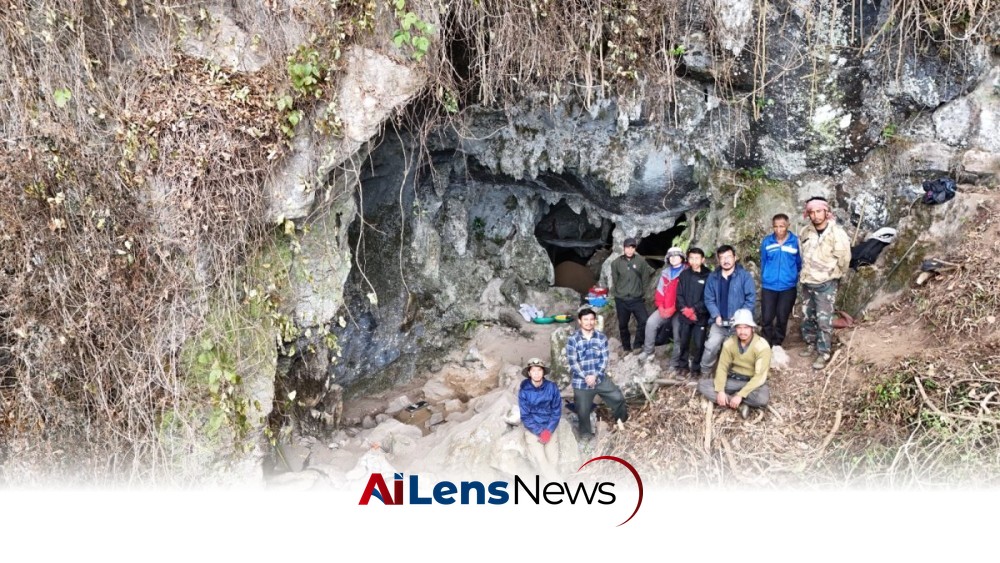


Archaeologists uncover evidence of ancient human habitation in the Naga Hills, revealing insights into early agriculture and migration.
Kohima, India Jul 20, 2026 ALN: Lumami, July 20 (MExN): Archaeologists have made a significant discovery of prehistoric human habitation in the caves and rockshelters of the Naga Hills Ophiolite Belt, located in the Noklak district. Scientific dating indicates that these sites were utilized by humans from approximately 3,500 years ago and continued into the historical period. This finding not only sheds light on the early human activities in the region but also provides a deeper understanding of the cultural and agricultural evolution in Northeast India.
The excavation was conducted by a joint team from the Department of History & Archaeology at the University and the Department of Art & Culture, Government of, under the leadership of Prof. Tiatoshi Jamir. This expedition marks the first preliminary archaeological investigation of caves in the Noklak district, which took place in March of this year. The team comprised several experts, including Dr. Heme Lamthaiu, Dr. Limasanen Longkumer, Khumeng T (ARO), Robinson Huidrom, and Victoria Leyri from Delhi University. Their collaborative efforts highlight the importance of interdisciplinary research in understanding the complexities of human history.
During their exploration, the researchers received valuable support from the Chiphur Village Council, which facilitated their intensive foot surveys across the limestone karst terrain of the Chiphur area. This area proved to be rich in archaeological sites, leading to the identification of five caves and four rockshelters, each offering unique insights into the prehistoric past. The Naga Hills, characterized by their unique geological formations, have long been recognized for their archaeological potential, and this discovery underscores the importance of continued exploration in these areas.
The excavations at these sites yielded an array of artifacts, including cord-marked pottery, which is indicative of the ceramic traditions of early human societies. Pottery is often a key indicator of cultural practices, as it reflects the technological advancements and artistic expressions of its makers. Additionally, ground stone tools were discovered, which suggest that these early inhabitants engaged in various subsistence activities, likely including agriculture and hunting. The presence of hearth features indicates that these caves served not only as shelters but also as sites for cooking and social gatherings, providing a glimpse into the daily lives of these prehistoric communities.
Among the most intriguing finds were carbonized remains of cereals, specifically foxtail millet (Setaria italica) and Job's tears (Coix sp.). These discoveries are particularly significant as they provide evidence of early agricultural practices in the region, suggesting that the inhabitants were cultivating these crops as part of their diet. The analysis of wild faunal remains further enhances the understanding of the dietary habits and environmental interactions of these prehistoric communities. Such findings are crucial for reconstructing the subsistence strategies employed by these early societies, which likely varied according to the available resources and environmental conditions.
To establish a timeline for the human activities at these sites, the team utilized Accelerator Mass Spectrometry (AMS) dating, with two samples analyzed by Beta Analytic Lab in Miami, Florida. The results revealed that the rockshelter known as Leilo Kaa dates back approximately 3,500 years, while the cave named Kathso Kaa is around 1,000 years old. This evidence of continuous habitation suggests that these sites were integral to the communities over millennia, bridging the gap between prehistoric and historical periods. The longevity of human presence in these caves indicates that they may have served as significant cultural and social hubs throughout different phases of human history in the region.
The implications of these findings are profound, as they contribute significantly to the understanding of the early history of agriculture and human habitation in Northeast India. The Naga Hills Ophiolite and the Naga Metamorphic Complex, particularly in the Chiphur and Mimi region, are recognized for their archaeological potential. This area is part of the broader Indo-Myanmar mountain ranges, which have historically served as a corridor for human migration, influencing the cultural and genetic diversity of the region. The intersection of diverse cultures in this area has likely led to a rich tapestry of traditions and practices that continue to influence the local communities today.
The scientific dating and analysis of such archaeological sites are gradually revealing a more comprehensive picture of the subsistence lifestyles, technological advancements in tool and ceramic production, burial traditions, and the worldviews of early inhabitants. As researchers continue to investigate these caves and rockshelters, it is expected that more artifacts and evidence will emerge, further enriching the narrative of human history in this part of India. Such discoveries not only enhance academic knowledge but also foster a sense of identity and continuity among local populations.
In an effort to share these exciting findings with the public, the State Museum, in collaboration with the Department of Art & Culture and the University, is planning to hold a public exhibition of the excavation finds in October this year. This exhibition aims to educate the community about the region's rich archaeological heritage and the significance of these discoveries in understanding the ancient practices and lifestyles of the people who once inhabited the Naga Hills. Engaging the public in this knowledge-sharing initiative is crucial for fostering appreciation of local history and encouraging stewardship of cultural heritage.
The discovery of these prehistoric habitation sites not only highlights the importance of archaeological research in uncovering the past but also emphasizes the need for continued exploration and preservation of such sites. As the world becomes increasingly aware of the fragility of cultural heritage, initiatives like this excavation serve as a reminder of the importance of safeguarding our history for future generations. The findings from Noklak contribute to a growing body of evidence that underscores the rich and diverse history of human settlement in Northeast India, and they underscore the need for ongoing research and conservation efforts to protect these invaluable cultural resources.
To learn more about the latest developments in General News, stay updated with our exclusive reports and analyses on AiLensNews.

