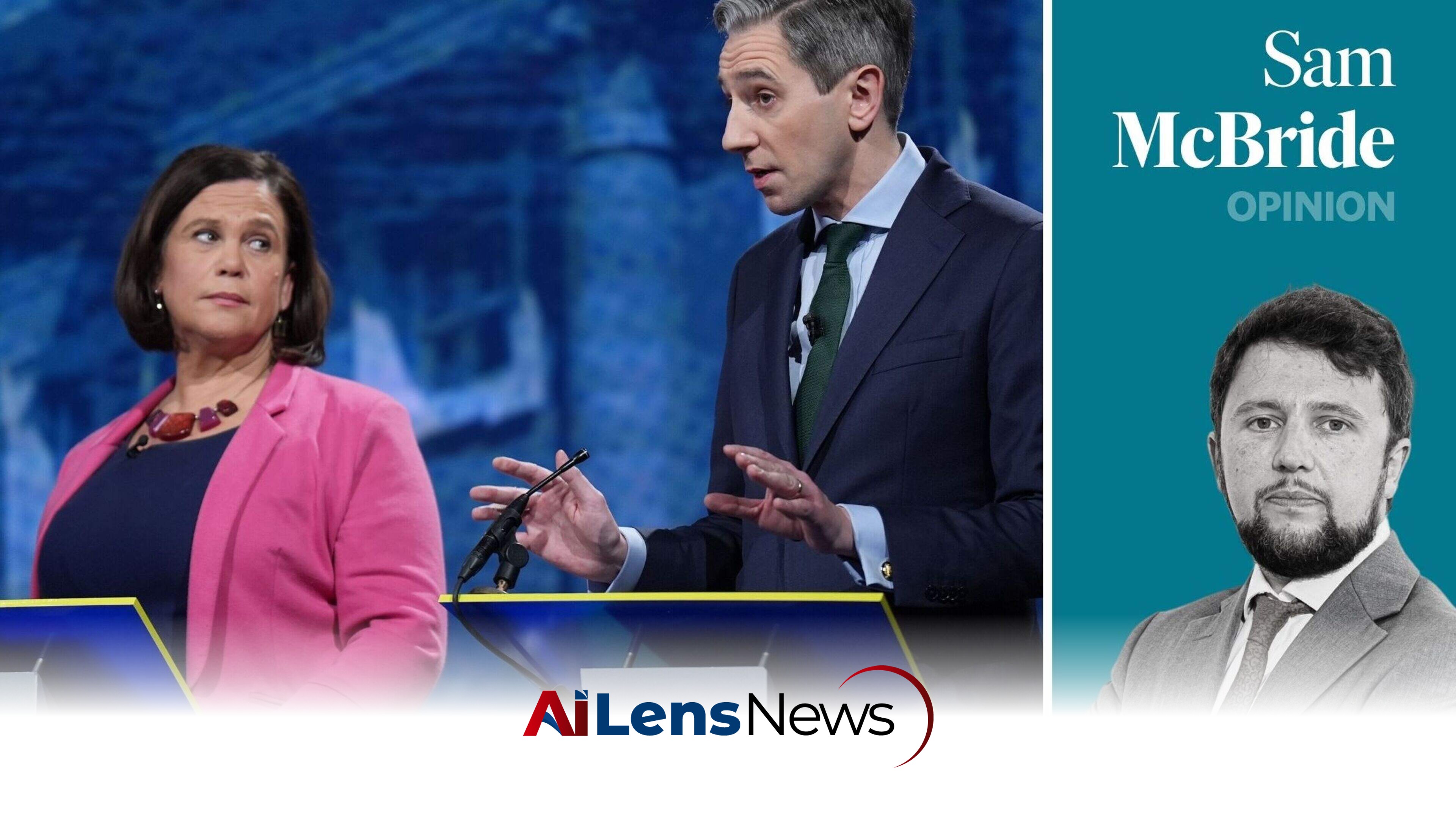


An analysis of the surprising commonality between Simon Harris and Mary Lou McDonald regarding their approach to unity in politics.
London, United Kingdom Jul 26, 2026 ALN: In the realm of Irish politics, two prominent figures, Simon Harris and Mary Lou McDonald, have emerged as key players. Despite their differing party affiliations, both politicians surprisingly share a commonality: a lack of serious commitment to the concept of unity. This shared indifference towards the principle of unity raises questions about the future of political discourse in Ireland, especially in a society still grappling with the legacies of its divided past.
Simon Harris, a member of Fine Gael, has been a significant figure in the government, holding various ministerial roles, including Minister for Health and Minister for Higher Education. His political career has been marked by a focus on health and education, which are critical issues in Irish society. However, his approach to unity has raised eyebrows, particularly in light of the ongoing discussions surrounding the potential unification of Ireland. Harris has often emphasized the need for collaboration across party lines, yet critics argue that his actions do not always reflect this sentiment.
On the other hand, Mary Lou McDonald, the leader of Sinn Féin, has long championed the cause of Irish unity. Her party, which has historically been associated with the republican movement, advocates for a united Ireland as a central tenet of its platform. However, her actions and the strategies employed by her party suggest a more complex narrative. While McDonald speaks passionately about the need for a united Ireland, her leadership has also been characterized by moments of political divisiveness, particularly in relation to issues such as social justice and economic policy.
Both Harris and McDonald have utilized the rhetoric of unity to further their political agendas. This use of unity as a political tool raises important questions about the sincerity of their intentions. Harris often emphasizes the importance of collaboration and bipartisanship, advocating for a political culture that transcends traditional party lines. However, critics suggest that his focus on unity may be more about political expediency than a genuine commitment to fostering collaboration among diverse political factions.
Similarly, McDonald’s passionate calls for a united Ireland resonate with many who yearn for a more cohesive national identity. Yet, her party's tactics can sometimes seem at odds with this vision. For instance, Sinn Féin's approach to certain contentious issues has led to accusations of divisiveness, particularly in how they engage with political opponents and address historical grievances. This contradiction raises concerns about whether McDonald genuinely seeks unity or if it serves as a convenient rallying cry that masks deeper political divides.
The public's perception of both leaders is shaped by their rhetoric and actions, creating a complex landscape of voter sentiment. Many constituents are left questioning the sincerity of their calls for unity. Harris's supporters may feel that his focus on unity is more about maintaining a favorable public image rather than a true commitment to collaboration. This skepticism is compounded by the broader context of Irish politics, where historical tensions and party loyalties often color perceptions of political leaders.
Meanwhile, McDonald’s supporters might grapple with the dissonance between her calls for unity and the divisive nature of some of Sinn Féin's policies. For instance, while advocating for a united Ireland, some party members have been criticized for their handling of sensitive issues related to the past, including the legacy of the Troubles. This inconsistency can lead to disillusionment among voters who desire authentic leadership that aligns with their aspirations for unity.
For true unity to be realized in Irish politics, both Harris and McDonald must move beyond rhetoric. This requires a genuine commitment to dialogue and compromise, rather than using unity as a political tool. The challenge lies in transforming their political narratives into actionable policies that resonate with the electorate. This could involve engaging in more inclusive discussions that bring together diverse perspectives, particularly from communities that have felt marginalized in the political process.
Furthermore, both leaders could benefit from acknowledging the complexities of Irish identity and the historical context that shapes contemporary political dynamics. By fostering an environment of mutual respect and understanding, they could work towards bridging divides rather than deepening them. This would not only enhance their credibility but also contribute to a more cohesive political landscape that prioritizes the needs and aspirations of all Irish citizens.
The backdrop to the current political landscape in Ireland is one marked by a long history of division, particularly between the nationalist and unionist communities. The partition of Ireland in 1921 created a division that has persisted for over a century, leading to deep-seated tensions and conflicts. The Troubles, a violent conflict that spanned several decades, further entrenched these divisions, leaving a legacy of mistrust and animosity that continues to influence contemporary politics.
In this context, the calls for unity from leaders like McDonald and Harris must be viewed through the lens of this historical backdrop. The complexities of identity, historical grievances, and differing narratives about the past complicate any genuine attempts at unity. As such, both leaders face the daunting task of navigating these sensitive issues while attempting to foster a more united political front.
The indifference of Harris and McDonald towards true unity has implications that extend beyond the current political climate. Future generations of Irish citizens will inherit the political landscape shaped by the actions and decisions of these leaders. If unity remains a mere rhetorical device rather than a genuine goal, the cycle of division may continue, perpetuating a sense of alienation among various communities.
Moreover, the political environment in Ireland is increasingly influenced by younger voters who are more inclined toward progressive values and inclusive policies. This demographic shift may demand a reevaluation of traditional political narratives and a stronger commitment to unity that transcends party lines. Leaders who fail to adapt to these changing dynamics risk losing the support of a generation that seeks authentic engagement and a more unified approach to governance.
In conclusion, while Simon Harris and Mary Lou McDonald may appear to be on opposite sides of the political spectrum, their shared approach to the concept of unity reveals a troubling trend in Irish politics. Their rhetoric often fails to translate into meaningful action, leaving many voters disillusioned. For the sake of progress and genuine collaboration, both leaders must reevaluate their commitment to unity and strive to align their actions with their words. Only through authentic engagement and a willingness to address the underlying issues can they hope to foster a political environment conducive to true unity in Ireland.
To learn more about the latest developments in Political Opinion, stay updated with our exclusive reports and analyses on AiLensNews.

