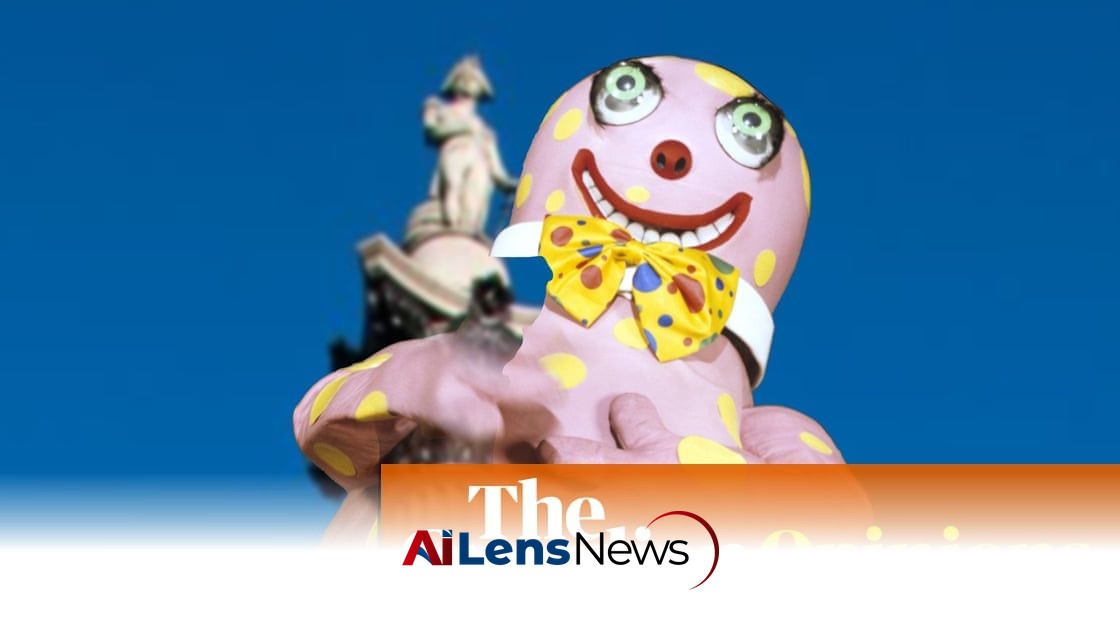


Count Binface embodies a lighthearted Britain, contrasting with political cynicism, and highlights the unifying power of humor in challenging times.
London, United Kingdom Jul 13, 2026 ALN: Nigel Farage’s recent byelection in Clacton has unintentionally set the stage for a clash between two contrasting visions of Britain. On one side, there are those who argue that the nation is divided, cynical, and lacking in joy. On the other, we have the enthusiasts of absurdity, ready to unite us through the power of laughter.
Count Binface epitomizes what I refer to as Silly Sausage Britain. This is a version of the UK that embraces humor and does not take itself too seriously, yet is grounded in self-deprecation, kindness, and fairness. It’s the Britain celebrated by comedians like Victoria Wood, Bob Mortimer, Romesh Ranganathan, and Daisy May Cooper. These figures have played a significant role in shaping the comedic landscape of the UK, often using their platforms to highlight the quirks of British life while also addressing deeper societal issues through humor.
The cultural identity of Britain is enriched by moments of silliness, such as Louis Theroux rapping on Chicken Shop Date and the viral “London?” compilation from Coronation Street. These instances of humor serve to create a shared experience among the populace, allowing people from various backgrounds to connect over a mutual appreciation for the absurdities of life. It’s about the big Vimto statue near Piccadilly train station in Manchester and the iconic phrase, “Can he do it on a cold, rainy night in Stoke?” which has become a cultural reference point that resonates with football fans and non-fans alike. It’s Ainsley Harriott’s playful antics on daytime TV and the unforgettable “sad little life” guy from Come Dine With Me, who has become a meme representing the struggles of everyday life. Our humor is a tapestry woven with inflatables for every occasion, from leeks at Welsh rugby matches to Bukayo Saka’s unicorn. It’s the casual enjoyment of a drink on the train and the light-hearted ranking of meal deals, which often sparks debates among friends and colleagues about the best value for money. It’s the movement to nationalize Greggs and the affectionate nicknames we give our friends that create a sense of belonging and camaraderie. It’s Boaty McBoatface and, of course, Mr Blobby, who have become iconic representations of British humor that often defy logic yet resonate deeply with the public.
As British people, our humor serves as a unifying force, especially in challenging times. However, it transcends mere amusement; it fosters connection. By not taking ourselves too seriously, we discover common ground and navigate through tough situations with a lighter heart. In an era where political discourse can often feel heavy and divisive, this shared laughter becomes a balm for societal wounds. It is a reminder that, despite our differences, we can find joy in the absurdity of life. This shared humor can act as a bridge across the divides that often separate us, encouraging dialogue and understanding in an increasingly polarized society.
Last year, I wrote about what I termed Mr Blobby Patriotism, articulating a vision of Britain that I cherish. This is not the sentimental patriotism of Paddington Bear, nor is it the top-down, rule-oriented patriotism espoused by Reform. Instead, it is a form of patriotism that embraces self-mockery and camaraderie, while also being willing to lend a hand to someone in need. True patriotism is not about perfection; it’s about loving a place because we see ourselves reflected in it and making fun of it because it belongs to us. This approach stands in stark contrast to the often rigid and elitist definitions of patriotism that can alienate large segments of the population. The idea that one must adhere to a certain set of beliefs or behaviors to be considered patriotic is fundamentally flawed. Instead, our shared experiences and collective humor can define our identity as a nation.
Some may dismiss this perspective as trivial or unserious, but satire has long been a powerful tool against oppressive political forces. Our humor is a cornerstone of our shared culture; it’s why many of us feel a surge of British pride when we see Count Binface making headlines. The character, a satirical take on political figures, serves as a reminder that politics can be both serious and absurd, and that the latter can often provide a necessary release from the tensions of the former. Count Binface’s antics encourage us to question authority and the status quo, reminding us that it is okay to laugh at our leaders and the systems in place that govern us.
What constitutes meaningful culture should not be dictated by a select elite trying to define what matters. We must not surrender our silliness, kindness, or joy to those who seek to sow division. Culture is a living entity, shaped by the people rather than imposed from above. It reflects the everyday experiences and shared memories of ordinary citizens, and it is in these shared moments that we find our collective identity. The culture that emerges from the grassroots is often more authentic and relatable than that which is curated by those in positions of power. This authenticity is crucial in fostering a sense of belonging and community among individuals.
There is immense hope in the connections we forge through laughter. Many of us stand up for one another daily, dedicating our time to build and protect community spaces like rugby clubs, social clubs, and local pubs. These venues serve as vital hubs for social interaction, where individuals can come together to share experiences, celebrate victories, and support one another in times of need. The fight for youth clubs, championed by groups like the band Ezra Collective and those who saved Salford Lads Club, is a testament to this spirit. These spaces are not just places to gather; they are essential for fostering community, providing not just a venue for social interaction but also a sense of belonging and identity. The preservation of these spaces reflects a commitment to nurturing the next generation and ensuring that the values of kindness and community are passed down.
As these shared spaces diminish, it’s encouraging to see a new prime minister who understands the importance of community, celebrating the joy found in places like Ashton Town FC, where Andy Burnham recently marked his byelection victory. This recognition of the value of grassroots movements and local culture is crucial for rebuilding a sense of national unity and pride. It highlights the need for leaders to engage with their constituents on a personal level and to prioritize the needs of the community over political ambitions.
So, as we chuckle over Count Binface’s whimsical proposals to nationalize Adele, restore the price of 99 Flakes to 99p, and reintroduce Ceefax, we are reminded of our identity as a nation. These humorous suggestions, though light-hearted, reflect deeper desires for connection and nostalgia in a world that often feels fragmented. They tap into our collective memory and shared experiences, reminding us of simpler times and the joy that can be found in the everyday. This is the kind and humorous Britain I know exists, and it’s the one I aspire to live in.
In conclusion, Count Binface serves as more than just a comedic figure; he represents a cultural movement that challenges the status quo and invites us to embrace our quirks and imperfections. In a time of political cynicism and division, the spirit of Silly Sausage Britain reminds us that laughter can be a powerful antidote to despair. By celebrating our shared absurdities, we can foster a more connected and compassionate society. In doing so, we not only honor our cultural heritage but also pave the way for future generations to appreciate the beauty of silliness and the strength found in community.
To learn more about the latest developments in Cultural Opinion, stay updated with our exclusive reports and analyses on AiLensNews.

