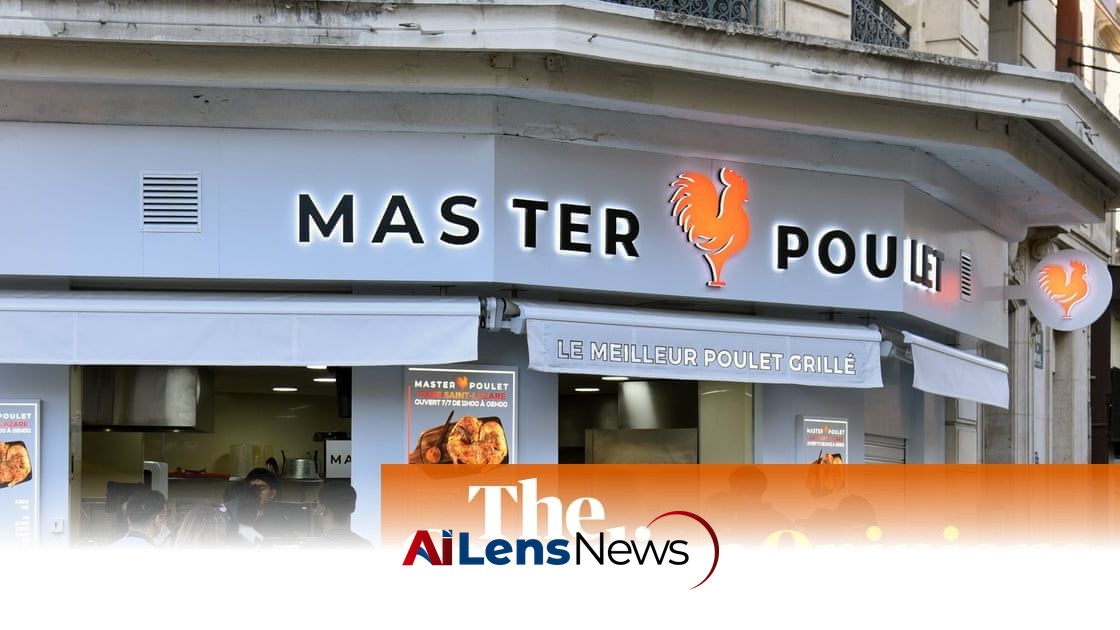


The opening of Master Poulet in Saint-Ouen-sur-Seine sparks a debate on class and identity politics, revealing the complexities of leftist ideologies.
London, United Kingdom Jul 26, 2026 ALN: The Politics of Fast Food: A Reflection on Class and Identity in France
In recent years, the intersection of fast food and political discourse has increasingly come to the forefront of societal discussions, particularly in urban settings. This phenomenon is not unique to France, but the recent events surrounding the opening of Master Poulet, a French chicken chain, in the UK have sparked a debate that resonates deeply with issues of class, identity, and cultural representation. The question of how progressive politics are perceived and enacted continues to be a contentious topic, particularly within leftist circles. The internal divisions among left-leaning factions often highlight broader societal issues, including economic disparity, cultural identity, and the politics of representation.
Fast food, with its ubiquitous presence, often serves as a microcosm for examining these larger societal dynamics. The recent opening of Master Poulet in the UK has been met with a variety of responses, reflecting the complexity of contemporary political identities. The chicken shop, which offers affordable, halal options, is emblematic of the struggles faced by immigrant communities, particularly South Asian and Black British populations. For many, chicken shops are more than just places to eat; they represent cultural heritage, community gathering spaces, and a form of resistance against mainstream culinary norms.
In the UK, chicken shops have become a staple in urban culture, often associated with working-class youth and vibrant local communities. They serve as informal social hubs, where music, art, and culture converge. The popularity of these establishments is further amplified by their representation in media, such as Amelia Dimoldenberg's YouTube series, "Chicken Shop Date," which explores the intersections of food, culture, and identity. This cultural significance is not lost on those who frequent these establishments; they are spaces where identity is expressed and celebrated.
However, the situation in France presents a different set of challenges. The controversy surrounding Master Poulet's opening in Saint-Ouen-sur-Seine, a suburb of Paris, highlights the ongoing tensions related to gentrification and class struggle. Karim Bouamrane, the Socialist Party mayor of Saint-Ouen, attempted to block the establishment of Master Poulet, citing concerns over quality of life for local residents. His actions, which included physically obstructing the shop's entrance with concrete blocks, have sparked outrage and debate over the underlying motivations for such a move. Critics argue that Bouamrane's actions are indicative of a broader gentrification agenda, aimed at pushing out affordable food options and, by extension, the working-class communities that rely on them.
The irony in this situation is palpable: Master Poulet offers a meal for €4 (£3.40), which is not only cheaper than a McDonald's meal but also arguably more nutritious. This raises questions about the selective targeting of certain food establishments over others. Why is it that a halal chicken shop becomes the focal point of complaints regarding odors and disturbances, while global fast-food chains remain unchallenged? This discrepancy points to deeper issues of classism and potentially Islamophobia, as suggested by politicians from the far-left La France Insoumise (LFI), who have rallied in support of Master Poulet. The LFI's involvement underscores the political stakes at play, as they seek to frame the mayor's actions within a broader narrative of social justice and equity.
The political implications of the Master Poulet controversy extend beyond the immediate context of a single establishment. Bouamrane's recent announcement of his presidential ambitions further complicates the narrative. His remarks labeling LFI as a "colonialist party" for its discussions of race and identity signal a fracturing within the left, which has historically sought to unify against the far-right threat posed by Marine Le Pen and her National Rally party. The fractures within leftist politics raise critical questions about the future of progressive movements in France, especially as Le Pen's popularity continues to rise in opinion polls. This fracturing is not merely a matter of political strategy; it reflects deeper ideological divides regarding how to approach issues of race, class, and identity within the left.
The discourse surrounding Master Poulet serves as a reflection of broader societal issues, including the challenges of maintaining a cohesive leftist identity in the face of rising populism and far-right sentiments. The question of whether one identifies as part of the "chicken shop left" or not becomes less significant than the underlying issues of community, representation, and social justice that these establishments embody. In a political climate where divisions are deepening, the need for solidarity and collective action becomes increasingly urgent. The Master Poulet case exemplifies how food culture intersects with identity politics, as the chicken shop becomes a battleground for larger ideological conflicts.
Ultimately, the events surrounding Master Poulet challenge us to reconsider our definitions of political identity and the spaces we occupy within the larger socio-political landscape. Fast food, often dismissed as trivial, can serve as a powerful lens through which to examine the complexities of class, identity, and cultural representation. As we navigate these discussions, it is essential to recognize the interconnectedness of our struggles and the importance of fostering inclusive spaces that celebrate diversity and promote equity.
The implications of this controversy extend into the realm of urban planning and community development. As cities undergo gentrification, the displacement of affordable food options can exacerbate existing inequalities. Fast food establishments like Master Poulet not only provide inexpensive meals but also foster a sense of community among marginalized groups. The closure or obstruction of such establishments raises concerns about who gets to decide what kind of businesses thrive in urban neighborhoods and who benefits from these decisions. The Master Poulet situation thus becomes emblematic of a larger struggle over urban space, where economic interests often clash with the needs of local residents.
In conclusion, the politics of fast food in France, as exemplified by the Master Poulet controversy, offers a rich tapestry for exploring issues of class, identity, and cultural representation. As we engage in these discussions, it is crucial to remain vigilant against the forces of division and to seek out opportunities for solidarity across different communities. The future of progressive politics may depend on our ability to come together, transcending the boundaries that often separate us, and to advocate for a more just and equitable society for all. In a world where fast food is often viewed through a lens of consumerism, recognizing its role as a cultural and political symbol can help us better understand the dynamics of class and identity in contemporary society.
To learn more about the latest developments in Political Opinion, stay updated with our exclusive reports and analyses on AiLensNews.

