

More
Checking your session
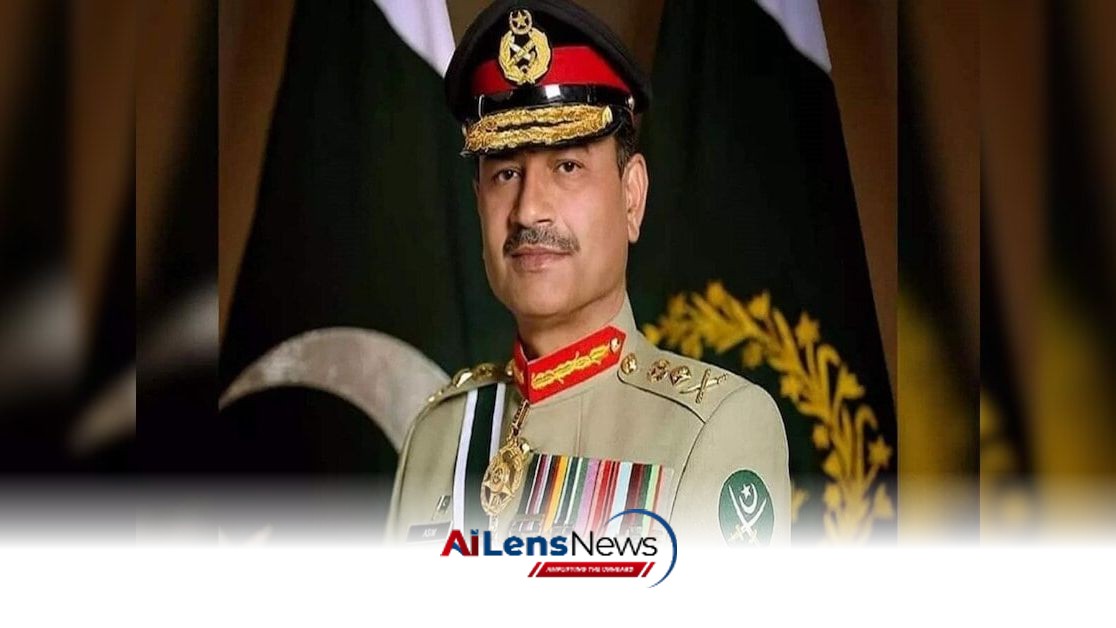



Today's opinions explore the implications of the Saudi-Turkiye-Pakistan defense pact, leadership challenges at Tata, and the political dynamics surrounding Asim Munir.
New Delhi, India Aug 22, 2026 ALN: Hello, and welcome to the Best of BS Opinion, our wrap of the day's Opinion page.
Shyam Saran argues that the Saudi Arabia-Turkiye-Pakistan defense pact marks a significant shift in West Asia’s security architecture, driven by declining confidence in US security guarantees, shared concerns over regional threats, and closer Saudi-Turkish ties. This emerging alliance reflects a growing trend among nations to seek alternative security arrangements in light of perceived vulnerabilities in traditional partnerships, particularly with the United States. As global power dynamics shift, countries are increasingly looking to forge strategic relationships that align with their national interests.
The pact promises collective deterrence against common threats, such as regional instability and terrorism, but differing threat perceptions among the member countries complicate the prospect of a NATO-style defense arrangement. For instance, while Turkey may view Kurdish groups as a primary threat, Pakistan's focus might be on India, and Saudi Arabia may prioritize Iranian influence. These divergent perspectives could hinder the effectiveness of a unified military response.
Pakistan’s role as a trusted bridge between Saudi Arabia and Turkiye is particularly significant, enhancing its regional profile and potentially benefiting China, which has vested interests in both Pakistan and the Gulf region. China's Belt and Road Initiative, which aims to enhance connectivity and trade, could see further integration with this new defense pact, leading to increased economic cooperation and military collaboration among the three nations. For India, the emerging alignment poses risks to energy security, the safety of millions of Indians in the Gulf, and its strategic freedom in responding to cross-border terrorism. As these relationships develop, India may need to recalibrate its foreign policy to address the challenges posed by this trilateral alliance.
The Tata group’s recent leadership transition raises questions about succession, capital allocation, and the development of leaders capable of navigating multiple industries, but not necessarily about its underlying purpose. The Tata group, a conglomerate with a rich history dating back to the 19th century, has long been committed to serving the nation through enterprise. This commitment is evident in its investments spanning electric vehicles, batteries, defense, and semiconductors, alongside continued philanthropy, writes R Gopalakrishnan. The group's distinctive structure, with a private holding company and publicly listed operating companies, allows businesses to retain domain expertise while preserving a common institutional ethos. This unique framework has enabled the Tata group to adapt to changing market conditions while maintaining a strong sense of corporate responsibility.
However, the more pressing challenges facing the Tata group are strengthening capital allocation and developing leaders with the breadth and long-term perspective required to guide the group through an increasingly competitive global landscape. As industries evolve and new technologies emerge, the ability to allocate resources effectively and cultivate leadership talent will be crucial for sustaining growth and innovation. The Tata group’s focus on sustainability and social impact further underscores its commitment to not just economic success but also to the welfare of the communities it serves.
Shekhar Gupta suggests that the rapid expansion of Asim Munir’s powers reflects not strength but deep insecurity and paranoia. Munir's rise to power has been marked by new laws formalizing his authority as Pakistan’s Chief of Defence Forces, allowing him extensive control over military appointments and tenures. This concentration of power may unsettle the senior brass within the military, leading to potential rifts and challenges to his authority. Moreover, Gupta points out that Munir’s apparent diplomatic successes cannot compensate for Pakistan’s declining comprehensive national power, weak economy, and limited military options. The country faces significant economic challenges, including high inflation, a growing fiscal deficit, and reliance on external debt, which severely constrain its ability to project power regionally.
With his current tenure potentially ending in 2030, the fundamental question is what happens to him thereafter. Drawing on the fates of Pakistan’s previous dictators, Gupta sees three possible exits: exile, permanent rule, or, most improbably, reforming Pakistan through economic recovery, internal reconciliation, and peace with India. The prospect of reforming Pakistan is particularly daunting, given the entrenched political and economic challenges, as well as the historical animosity between Pakistan and India. The path to reform would require not only visionary leadership but also a willingness to engage in dialogue and compromise, both domestically and internationally.
Negative branding has become a powerful political weapon, allowing rivals to be discredited through nicknames, memes, ridicule, fake news, and other forms of mockery. This phenomenon has been amplified by the rise of social media, which enables rapid dissemination of information and imagery, often without verification. Unlike corporate marketing, where attacking competitors can damage an entire market, political branding operates within a zero-sum contest for power and resources. In this context, the stakes are high, and the impact of negative branding can be profound, shaping public perceptions and influencing electoral outcomes.
Some of the most effective campaigns, however, writes Devanghsu Datta, have been spontaneous rather than orchestrated. Historical examples illustrate how cultural references and social commentary can inadvertently become powerful tools in political branding. For instance, the unintended association of Simon and Garfunkel’s music with Malawi’s political establishment highlights how cultural products can transcend their original context and take on new meanings in political discourse. Similarly, the proliferation of Winnie-the-Pooh memes targeting China’s leader showcases the ability of humor and satire to challenge authority and provoke debate.
As social media continues to accelerate the spread of such imagery, the ability to turn politicians into objects of ridicule could pose an existential challenge to political leaders' credibility and electoral prospects. In an age where public opinion can shift rapidly, the consequences of negative branding can be far-reaching, potentially undermining the legitimacy of established political figures and altering the trajectory of political campaigns.
In conclusion, the dynamics of power and branding in politics are increasingly complex, with implications that extend beyond individual leaders to the broader geopolitical landscape. As nations navigate shifting alliances and leaders grapple with the challenges of maintaining authority in a rapidly changing environment, the interplay between power, branding, and public perception will continue to shape the future of political discourse and international relations.
To learn more about the latest developments in Political Opinion, stay updated with our exclusive reports and analyses on AILensNews.

Afua Hirsch discusses how Jason Arday's situation is being used to undermine pro…

In Jammu and Kashmir, mainstream politicians are increasingly relying on controv…
As 11 August marks a significant date for Balochistan, it highlights the need fo…

The insistence on singing all stanzas of 'Vande Mataram' raises concerns about u…

Dawn Butler discusses the recent changes in gambling regulations that empower lo…