

Folarin Balogun's one-match ban has been suspended after a call from President Trump, allowing him to play in the upcoming match against Belgium.
New Delhi, India Jul 7, 2026 ALN: Folarin Balogun, a notable 25-year-old striker for the United States men's national soccer team, recently found himself at the center of a controversy that has sparked significant discussion among soccer fans and sports analysts alike. The incident occurred when Balogun was shown a straight red card during a match against Bosnia-Herzegovina for a foul committed against defender Tarik Muharemovic. This decision typically results in an automatic one-match ban, a standard disciplinary measure in soccer aimed at maintaining fair play and sportsmanship on the field.
However, in a surprising turn of events, FIFA announced that the automatic one-match ban would be suspended for a year following a call made by US President Donald Trump. This intervention has raised eyebrows and ignited debates about the intersection of politics and sports, particularly in the context of global events like the World Cup, where national pride and representation are at stake.
The reactions from fans have been varied and passionate, reflecting a spectrum of opinions on the implications of such political involvement in sports governance. In Washington D.C., where soccer has been growing in popularity, many supporters took to social media and public forums to express their thoughts on the president's intervention and FIFA's subsequent ruling.
Supporters of Balogun welcomed the suspension of the ban, emphasizing the striker's crucial role in the national team. They argued that his skills and experience are vital for the team's performance, particularly as they prepare for high-stakes matches against formidable opponents like Belgium in the ongoing World Cup. The sentiment among these fans is clear: having a player of Balogun's caliber available for key matches significantly enhances the team's chances of success.
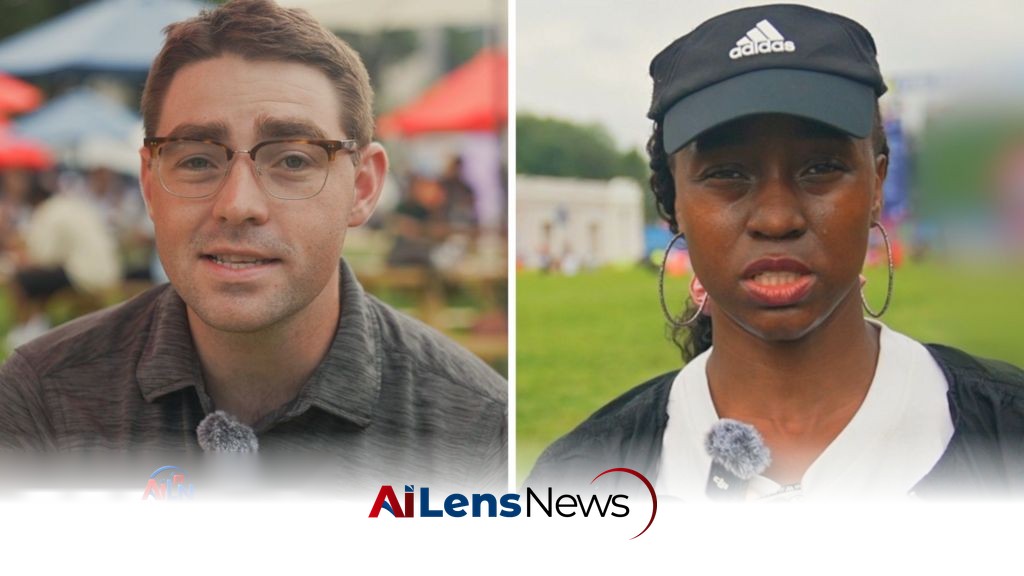
"It’s great to see our players on the field, especially in such crucial matches. Balogun has been a key player for us," remarked one enthusiastic fan in an interview, highlighting the importance of maintaining a competitive edge in the tournament.
On the other hand, a contrasting perspective emerged from fans who expressed deep concerns regarding the potential ramifications of political interference in sports. These individuals pointed out that such actions could undermine the integrity of the game and set a troubling precedent for future instances where political figures might seek to influence sports decisions. "It’s concerning that a president can intervene in sports decisions. It raises questions about fairness and integrity in the game," noted another fan, encapsulating the worry that the spirit of fair competition could be compromised.
This incident is not isolated; it reflects a broader trend where political figures have engaged with sports in various capacities, often leading to debates about the proper boundaries between governance and athletics. The implications of this situation extend beyond Balogun and the current World Cup, as it raises fundamental questions about the governance of sports organizations like FIFA, which are expected to operate independently of political pressures.
The World Cup, one of the most prestigious tournaments in soccer, serves as a platform for nations to showcase their talent and passion for the sport. It is a time when national pride is on full display, and the stakes are incredibly high. As teams compete for glory, the influence of external factors, such as political intervention, can shift the dynamics of competition and fan engagement.
As the tournament progresses, all eyes will be on Balogun and the impact of this decision. His performance on the field will be scrutinized not only for its athletic merit but also for the surrounding circumstances that allowed him to participate despite the disciplinary action. The situation may serve as a litmus test for how sports organizations respond to political pressure and how they uphold the principles of fairness and integrity.
Moreover, the reactions from fans across the globe highlight the emotional investment that people have in their national teams and the players who represent them. For many, soccer is more than just a game; it is a source of identity and community. The involvement of political figures in sports decisions can evoke strong sentiments, as fans grapple with the implications for their beloved game.
In conclusion, the suspension of Balogun's one-game ban is not merely a decision affecting one player; it is emblematic of the complex interplay between sports, politics, and ethics. As the World Cup continues, the ramifications of this incident will likely be felt long after the tournament concludes, prompting ongoing discussions about the future of sports governance and the role of political influence in athletic competitions. Fans, analysts, and sports officials alike will be watching closely to see how this situation unfolds and what it means for the integrity of the game in the years to come.
To understand the significance of Balogun's situation, it is essential to consider the broader context of FIFA's disciplinary actions. FIFA, the governing body of international soccer, has established a set of rules and regulations designed to maintain the integrity of the sport. These rules include the issuance of yellow and red cards, which are used to penalize players for various infractions during matches. A straight red card typically indicates a serious foul or a violent act, leading to immediate ejection from the game and a subsequent suspension. This automatic disciplinary measure is intended to uphold the values of sportsmanship and fair play, which are cornerstones of soccer.
The suspension of Balogun's ban raises questions about the consistency of FIFA's enforcement of its rules. Critics argue that political intervention, such as that from President Trump, could lead to a slippery slope where powerful figures can influence decisions that should be left to sports authorities. This concern is particularly relevant in light of historical instances where political interference has disrupted the integrity of sports. For example, various nations have faced scrutiny for using sports as a means of political propaganda, which can detract from the purity of competition.
Additionally, the incident sheds light on the growing popularity of soccer in the United States. The sport has seen a surge in interest in recent years, particularly among younger generations. The U.S. men's national team has been working to establish itself as a competitive force on the international stage, and players like Balogun are integral to this effort. Their success can inspire a new wave of soccer fans and contribute to the growth of the sport in the country. However, incidents like this one can also alienate fans who are concerned about the integrity of the game.
As the World Cup progresses, the implications of Balogun's situation may extend beyond the immediate context of the tournament. If the precedent is set for political figures to intervene in sports governance, it could lead to a reevaluation of how sports organizations operate and their relationship with government entities. This could affect not only soccer but also other sports where governance and politics intersect.
In the end, the discourse surrounding Balogun's suspension illustrates the intricate connections between sports, politics, and public perception. Fans are not just passive observers; they are deeply engaged in the narratives that unfold on and off the field. The emotions stirred by political interventions in sports decisions are reflective of the broader societal dynamics at play. As discussions about fairness, integrity, and the role of politics in sports continue, it is crucial for governing bodies to navigate these challenges with transparency and accountability.
Ultimately, the outcome of Balogun's case may serve as a critical moment in the ongoing evolution of sports governance. As fans, players, and officials reflect on the implications of this incident, it is clear that the intersection of sports and politics will remain a topic of significant interest and debate in the years to come. The World Cup is not just a celebration of athletic prowess; it is also a stage where larger societal issues come to the forefront, prompting discussions that resonate far beyond the boundaries of the pitch.
To learn more about the latest developments in Politics, stay updated with our exclusive reports and analyses on AiLensNews.

