

More
Checking your session
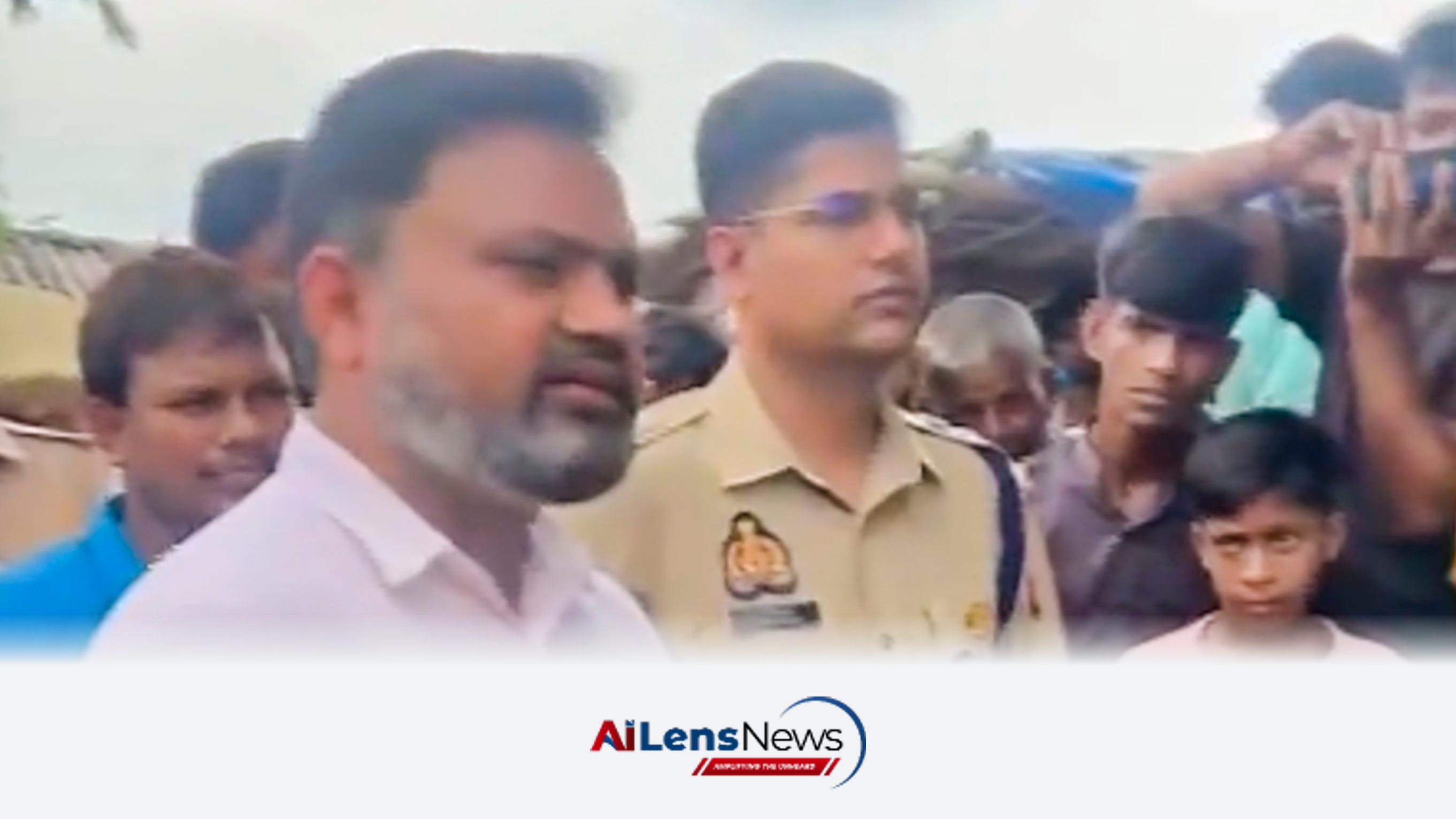



Authorities in Kushinagar have recovered three bodies from the Gandak River, believed to have drifted from Nepal due to severe flooding.
Lucknow, India Aug 29, 2026 ALN: Kushinagar: Three bodies were recovered from the Gandak River in Uttar Pradesh's Kushinagar district after they apparently drifted into Indian territory from Nepal amid the devastating floods in the neighbouring country, officials said on Saturday. The bodies were spotted near barrage pier number 3 in the Madanpur-Sukrauli area of Khadda on Friday, following which police and administrative officials reached the spot and began efforts to ascertain their identities.
Khadda SHO Sandeep Singh stated that the bodies were spotted floating in the river by monitoring teams of the State Disaster Response Force (SDRF) and subsequently taken out. The information about the recovered bodies had been shared with authorities in the neighbouring districts of Nepal to help establish their identities. However, the bodies could not be identified immediately.
Several other items, including vehicles, household goods, gas cylinders, drums, furniture, logs, and other debris, have also been seen floating in the Gandak and washing up along its banks, officials reported. A large number of villagers have been gathering along the river to retrieve articles being washed ashore. The administration has appealed to people not to enter the river to collect the items and instead inform officials if they spot objects floating downstream.
The developments in Kushinagar come a day after four bodies were recovered from a river in neighbouring Maharajganj district. These bodies, found in a severely decomposed condition, had not been identified, and authorities were in contact with the Nepal administration to ascertain whether they were among those reported missing after the floods and landslides there.
The flash floods in Nepal began on August 26 after a sudden surge in the Bhotekoshi River in the Rasuwa region. The floodwaters subsequently flowed into the Trishuli and Gandak river systems, affecting downstream areas. The heavy rainfall that contributed to these floods has been attributed to a combination of seasonal monsoon patterns and potentially intensified by climate change, leading to more extreme weather events in the region. The Nepalese government has been grappling with the effects of these floods, which have displaced thousands of people and caused significant damage to infrastructure and agriculture.
The Kushinagar administration has stepped up monitoring of the Gandak and areas along its banks. SDRF, police, and other teams are keeping a close watch on vulnerable locations. Earlier, officials increased vigilance in riverside villages in view of the possibility of a sharp rise in water levels. With the flow now declining, the immediate threat of flooding has eased, although authorities continue to monitor the situation.
The Gandak River, which flows from Nepal into India, is a vital waterway for both countries but also poses significant risks during the monsoon season. The river is known for its unpredictable flooding, which can have devastating effects on communities along its banks. In the past, similar flooding events have led to loss of life, property, and livelihoods, making it imperative for local authorities to implement effective disaster response strategies.
In light of the recent incidents, local officials have been emphasizing the importance of community preparedness and awareness. Educational programs aimed at informing residents about the dangers of flooding and the necessary precautions to take during such events are being prioritized. The collaboration between Indian and Nepalese authorities is also crucial in managing cross-border flood impacts, as the rivers do not recognize national boundaries and can carry debris and bodies from one country to another.
The recovery of bodies from the river highlights the human cost of natural disasters and the interconnectedness of communities in the region. As families in Nepal mourn their lost loved ones, the situation serves as a reminder of the ongoing challenges posed by climate change, which is expected to increase the frequency and severity of flooding events in South Asia. Both governments are under pressure to improve disaster management systems to better prepare for future incidents.
As the situation evolves, the focus will remain on recovery efforts and the provision of aid to those affected by the floods in Nepal. The Indian government has also expressed readiness to assist its neighbor in dealing with the aftermath of the disaster. Humanitarian organizations are mobilizing resources to provide relief to the displaced populations, ensuring that food, shelter, and medical assistance are accessible to those in need.
In conclusion, the recent recovery of bodies from the Gandak River underscores the tragic consequences of the ongoing flooding crisis in Nepal and the importance of regional cooperation and preparedness in addressing the challenges posed by natural disasters. As communities come together to support one another in times of crisis, the hope remains that lessons learned from these events will lead to improved resilience and better management of water resources in the future.
To learn more about the latest developments in Local & Regional, stay updated with our exclusive reports and analyses on AILensNews.

During a development event, BJP MP Ravi Kishan humorously likened Gorakhpur to S…

Uttar Pradesh Chief Minister Yogi Adityanath has initiated a scheme offering lif…
A meticulously planned murder in Meerut has led to the arrest of four individual…
A 19-year-old woman was allegedly gang-raped by her ex-boyfriend and his associa…
The Uttar Pradesh Real Estate Regulatory Authority (UP RERA) has implemented new…