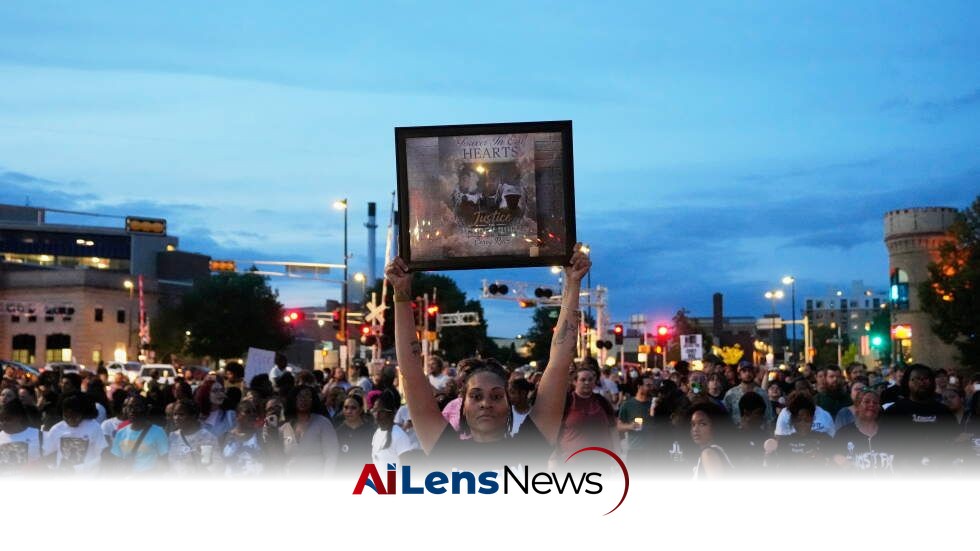


The police shooting death of a homeless man with a knife has roiled Wisconsin's capital, prompting calls for accountability and transparency from officials and community leaders.
Madison, United States Jul 24, 2026 ALN: The recent police shooting of a homeless man in Madison, Wisconsin, has ignited significant outrage and protests throughout the city. The incident occurred when the man, identified as Corey Durell Ruiz, allegedly wounded an officer with a knife while resisting arrest. This tragic event has drawn attention to ongoing issues of racial injustice and police accountability in the community, further complicating the relationship between law enforcement and the residents they serve.
According to police reports, officers were called to the scene after receiving complaints about a man with a knife. When they arrived, Ruiz reportedly refused to comply with their commands, leading to a confrontation. During the altercation, he injured one officer, prompting the police to use lethal force. The exact circumstances surrounding the confrontation remain under investigation, with various accounts from witnesses suggesting different narratives about the events leading up to the shooting. Some witnesses have claimed that Ruiz was not acting aggressively prior to the police engagement, raising questions about the justification for the use of deadly force.
The shooting has sparked protests across Madison, with demonstrators demanding justice and accountability from law enforcement. Many community leaders, including local politicians and activists, have called for a thorough investigation into the incident. Governor Tony Evers and Madison Mayor Satya Rhodes-Conway have both expressed their condolences to Ruiz's family while emphasizing the need for transparency in the investigation. The community's response has been marked by a sense of urgency, as activists argue that this incident is not an isolated event but part of a broader trend of police violence against marginalized groups.
Protesters have gathered outside the police department, holding signs and chanting slogans that highlight their demands for systemic change. "We want justice for Corey!" was a common refrain among the demonstrators. Activists are urging city officials to implement reforms aimed at reducing police violence and ensuring that officers are held accountable for their actions. The calls for accountability extend beyond this single incident, with many advocates seeking comprehensive reforms in police training, community policing practices, and oversight mechanisms to prevent future tragedies.
This incident is part of a larger pattern of police violence against marginalized communities in the United States. The deaths of individuals such as George Floyd and Breonna Taylor have fueled nationwide protests and calls for reform. Madison, like many other cities, is grappling with its own history of racial disparities and tensions between law enforcement and the community. The city has seen its share of protests over police conduct in the past, particularly in the wake of national movements advocating for racial justice. These historical contexts contribute to the heightened emotions surrounding the recent shooting, as many residents feel a deep-seated frustration with the perceived lack of accountability from law enforcement agencies.
As the investigation continues, community leaders are advocating for a comprehensive review of police practices and policies. They are calling for increased training on de-escalation techniques and mental health awareness to prevent similar incidents in the future. The outcome of this investigation could have significant implications for policing in Madison and beyond. There is a growing recognition that addressing the root causes of such incidents requires a multifaceted approach, including community engagement, mental health resources, and a reevaluation of policing strategies.
The tragic death of Corey Durell Ruiz also highlights the intersection of homelessness and policing. Many advocates argue that individuals experiencing homelessness often face unique challenges that require specialized responses from law enforcement. The lack of mental health support, addiction services, and affordable housing contributes to the vulnerability of homeless individuals, often placing them in precarious situations where encounters with police can escalate. Community discussions are increasingly focusing on how cities can better support vulnerable populations through social services rather than relying solely on police intervention.
The implications of Ruiz's shooting extend beyond Madison, as cities across the nation grapple with similar issues of police accountability, racial justice, and community relations. As public scrutiny of law enforcement practices intensifies, municipalities may be compelled to adopt more progressive policing models that prioritize community safety and well-being. The ongoing discourse surrounding police reform is likely to influence local, state, and national policies in the coming years, as citizens demand a more equitable and just approach to law enforcement.
The fatal shooting of Corey Durell Ruiz has reignited discussions about police accountability and racial justice in Madison, Wisconsin. As the community mourns the loss of Ruiz, the calls for change grow louder, emphasizing the need for a more just and equitable society. The events surrounding this incident serve as a stark reminder of the ongoing challenges faced by marginalized communities and the critical need for systemic reform in policing practices. The hope among activists and community members is that this tragedy will not be in vain, but rather serve as a catalyst for meaningful change that addresses the root causes of violence and inequality in society.
The shooting of Ruiz has not only sparked local outrage but also resonates with broader societal issues. The intersection of homelessness, mental health crises, and policing is a complex challenge that many cities are facing. Advocates argue that the current approach to policing often fails to address the underlying problems that lead to such tragic encounters. Instead of viewing homelessness solely as a law enforcement issue, there is a growing consensus that it should be approached as a public health and social justice concern. This shift in perspective could lead to more compassionate and effective responses to individuals in crisis.
In light of this incident, many community members are calling for systemic changes that go beyond immediate reforms. They advocate for a reevaluation of how resources are allocated in the community, emphasizing the importance of investing in social services, mental health care, and affordable housing. By addressing these root causes, advocates believe that the cycle of violence and poverty can be broken, ultimately leading to safer communities for everyone. The hope is that the tragic loss of Ruiz will serve as a turning point in how society approaches these interconnected issues.
Other cities that have faced similar incidents have implemented various reforms in response to community outcry. For example, some municipalities have adopted crisis intervention teams that include mental health professionals who respond alongside police to situations involving individuals in crisis. These teams aim to de-escalate situations before they escalate into violence. The success of such programs in other regions serves as a potential model for Madison as it grapples with the implications of Ruiz's death.
Engagement with the community is crucial in the aftermath of such incidents. City officials and law enforcement agencies must prioritize open dialogues with residents, particularly those from marginalized communities. Listening to the concerns and experiences of community members can help build trust and foster collaboration in developing effective solutions. Community forums, workshops, and collaborative initiatives can serve as platforms for residents to voice their opinions and contribute to meaningful change.
The tragic shooting of Corey Durell Ruiz is a poignant reminder of the urgent need for reform in how communities address issues of homelessness, mental health, and policing. As Madison navigates the aftermath of this incident, it is imperative that city leaders, law enforcement, and community members come together to advocate for systemic changes that prioritize compassion, accountability, and justice. The hope is that through collective action, this tragedy can lead to a more equitable society where all individuals are treated with dignity and respect, regardless of their circumstances.
To learn more about the latest developments in Crime & Law, stay updated with our exclusive reports and analyses on AiLensNews.

