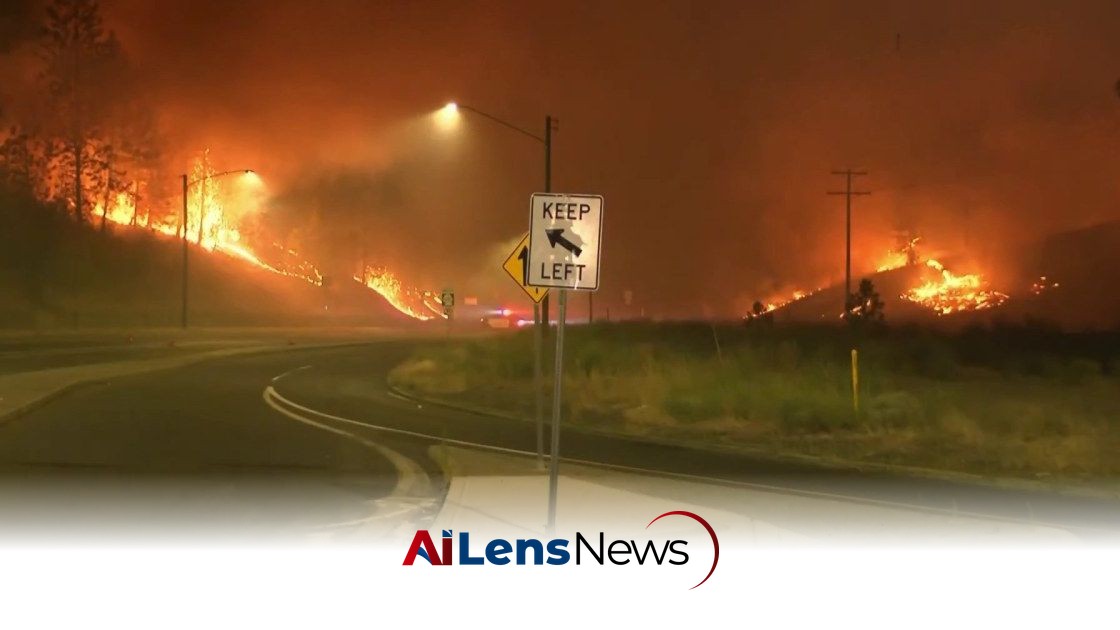


Over 250,000 acres have burned in Washington, leading to widespread evacuations as firefighters battle the flames. Meanwhile, a tragic incident in Greece results in two fatalities due to helicopter collisions.
Washington DC, United States Aug 3, 2026 ALN: In Washington state, devastating wildfires have prompted the evacuation of thousands of residents as flames consume more than 250,000 acres. The wildfires, which have been raging for several weeks, have not only destroyed homes and infrastructure but have also posed significant threats to wildlife and natural habitats in the region. Firefighters are engaged in a relentless battle against the blazes, employing both aerial and ground tactics to contain the fires, which have become increasingly difficult to manage due to the rapidly changing conditions.
The situation remains dire as the fires continue to spread, fueled by dry conditions and high winds. The Pacific Northwest has experienced a particularly dry summer, with below-average rainfall contributing to the increased fire risk. High temperatures, which have been recorded in the region, exacerbate these conditions, creating a perfect storm for wildfires to ignite and spread rapidly. The combination of these environmental factors has resulted in a situation where even small sparks can lead to devastating infernos.
Emergency services are working tirelessly to protect communities and prevent further destruction. Evacuation orders have been issued for multiple counties, and emergency shelters have been established to provide refuge for those displaced by the fires. Local governments are coordinating with state and federal agencies to ensure that resources are available for both firefighting efforts and for residents in need of assistance. This includes the deployment of additional firefighting crews and equipment from neighboring states, showcasing the collaborative effort required to combat such widespread disasters.
Firefighting crews remain committed to controlling the wildfires in Washington, but the challenges posed by the environment and the scale of the fires complicate their efforts. Firefighters are utilizing a combination of aerial water drops and controlled burns to create firebreaks. These firebreaks are essential in preventing the spread of flames into populated areas. However, the unpredictable nature of wildfires, combined with shifting winds, can alter the effectiveness of these strategies. Firefighters are also facing challenges such as smoke inhalation and extreme heat, which can hinder their ability to work effectively and safely.
In a related incident, fire officials in Greece reported a tragic collision involving firefighting helicopters, resulting in the deaths of two individuals. This incident underscores the dangers faced by those on the front lines of firefighting efforts. Firefighting is inherently risky, and the loss of personnel in such incidents highlights the need for stringent safety measures and protocols during fire suppression operations. The sacrifices made by firefighters in both Greece and Washington serve as a reminder of the perils associated with combating wildfires, which are becoming increasingly prevalent due to climate change and human activity.
As the situation develops, authorities are urging residents to stay informed and heed evacuation orders to ensure their safety. The emotional toll on communities impacted by the wildfires is profound, as residents are forced to leave their homes, often with little more than the clothes on their backs. Community leaders are working to provide support and resources for those affected, including mental health services to help individuals cope with the trauma of displacement. The psychological impact of such disasters can be long-lasting, affecting not only individuals but entire communities as they grapple with loss and uncertainty.
The implications of these wildfires extend beyond immediate property damage. The environmental impact is significant, affecting air quality and contributing to climate change concerns. Smoke from the fires can travel long distances, impacting air quality in neighboring states and regions. Additionally, the destruction of forests and wildlife habitats can have long-term ecological consequences, disrupting local ecosystems and threatening species that rely on these habitats for survival. The loss of biodiversity can have cascading effects on the environment, altering food chains and ecosystem dynamics.
Long-term recovery from such disasters requires extensive planning and resources. State and federal disaster relief funds will likely be mobilized to assist affected communities in rebuilding efforts. These funds can help with everything from temporary housing for displaced residents to the restoration of damaged infrastructure and public services. The rebuilding process is often lengthy and complex, requiring collaboration between various levels of government and community organizations to ensure that recovery efforts are effective and equitable.
Local businesses are also feeling the impact of the wildfires. Many have had to close their doors due to evacuation orders or damage from the flames. The economic fallout from such disasters can be severe, leading to job losses and decreased revenue for local economies that rely on tourism and other industries. Community leaders are advocating for support measures to help businesses recover and rebuild in the aftermath of the fires. This may include grants, low-interest loans, and other financial assistance programs designed to help businesses get back on their feet and revitalize the local economy.
In addition to immediate firefighting efforts, there is a growing emphasis on prevention and preparedness for future wildfires. This includes public education campaigns about fire safety, the importance of creating defensible space around homes, and the need for community preparedness plans. As climate change continues to influence weather patterns and increase the frequency and intensity of wildfires, these proactive measures become increasingly vital. Communities are being encouraged to engage in fire mitigation practices, such as controlled burns and forest management, to reduce fuel loads and enhance resilience against future wildfires.
For ongoing updates, residents are encouraged to follow local news and emergency management communications. Social media platforms and community bulletins can also serve as essential tools for disseminating information quickly. As the situation evolves, staying informed will be crucial for ensuring safety and effective response to the wildfires. The role of technology in disaster response is becoming increasingly important, with real-time data and communication helping to coordinate efforts and provide timely information to those in affected areas.
To learn more about the latest developments in Crime & Law, stay updated with our exclusive reports and analyses on AiLensNews.

