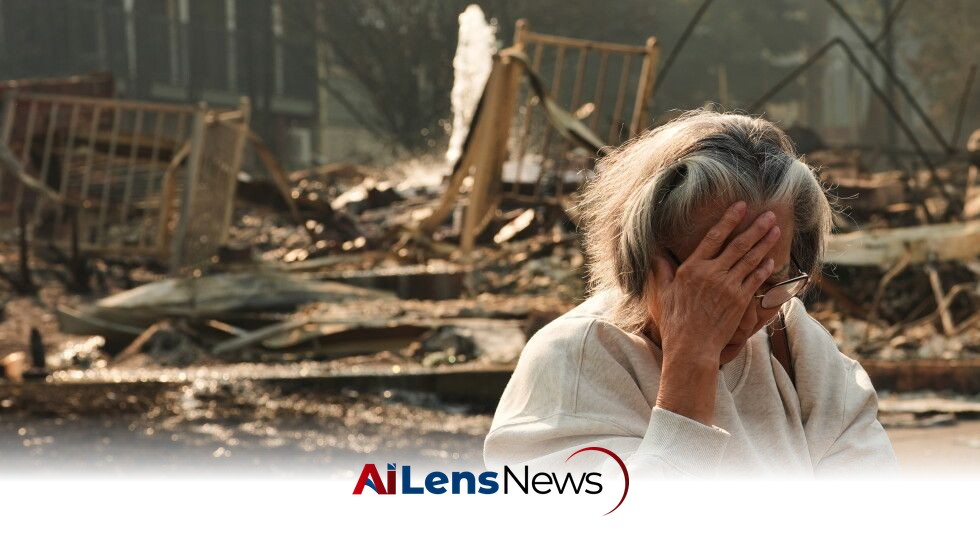


Wildfires in eastern Washington have destroyed over 600 structures and forced thousands to evacuate, leaving many residents to return to devastated neighborhoods.
Olympia, United States Aug 4, 2026 ALN: Wildfires raging across eastern Washington have wreaked havoc, destroying at least 600 structures and forcing approximately 60,000 residents in the Spokane area to evacuate. The fires erupted over the weekend, fueled by a parched landscape and extreme weather conditions, which have been exacerbated by climate change. This year's wildfire season has seen a significant uptick in activity, with eastern Washington particularly affected due to its dry climate and dense forest areas, which serve as tinderboxes during the summer months.
The Spokane area, known for its picturesque landscapes and rich natural resources, is now facing a devastating reality as the wildfires continue to spread. Many residents are grappling with the loss of their homes and the emotional toll that comes with such destruction. As they begin to return to their neighborhoods, many are faced with the heartbreaking reality of lost homes and cherished belongings. Lizzie Davis, a local resident, expressed her sorrow as she returned to find her childhood home reduced to ashes, along with family heirlooms that can never be replaced. The emotional toll of such losses cannot be understated, as families grapple with the aftermath of the destruction and the uncertainty of their future.
The scale of destruction is staggering, with entire neighborhoods decimated by the flames. Emergency services have been working tirelessly to contain the fires and assist those affected. The local authorities have set up shelters for evacuees and are coordinating relief efforts to provide food and essential supplies. In addition to the physical damage, the wildfires have also disrupted local businesses, schools, and healthcare services, further complicating the recovery efforts.
Initial assessments indicate that the destruction extends beyond residential structures, impacting critical infrastructure such as roads, power lines, and communication systems. The economic ramifications of these wildfires could be profound, affecting not only the immediate area but also the broader region as businesses struggle to recover and rebuild. The loss of infrastructure can lead to prolonged recovery times, impacting the local economy and the livelihoods of those who depend on it.
Evacuation orders were issued swiftly as the fires spread rapidly, putting lives at risk. Residents were urged to leave immediately, and many took to social media to share their experiences and seek assistance. The community has rallied together, offering support to those who have lost everything. Local organizations have mobilized to provide shelter, food, and emotional support, showcasing the strength and compassion of the Spokane community during this crisis.
The evacuation process was complicated by the speed at which the fires advanced, with some residents reporting they had mere minutes to gather their belongings before fleeing. Emergency responders worked to ensure that vulnerable populations, including the elderly and those with disabilities, received the assistance they needed to evacuate safely. The coordination between local, state, and federal agencies has been crucial in managing the crisis and ensuring that resources are allocated effectively. This collaboration is vital in ensuring that emergency services can respond quickly and efficiently in times of crisis.
Weather conditions have played a significant role in the intensity of the fires. With ongoing drought conditions and high temperatures, the risk of further wildfires remains a concern. Firefighters are on high alert, prepared for potential flare-ups as they continue their efforts to control the situation. The National Weather Service has issued warnings for continued dry conditions, which could lead to further fire outbreaks in the coming weeks.
Experts warn that climate change is contributing to the increasing frequency and intensity of wildfires across the western United States. As temperatures rise and precipitation patterns shift, regions that were once considered safe from wildfires are now facing new threats. This changing landscape necessitates a reevaluation of fire management strategies and community preparedness measures to mitigate future risks. The increased frequency of wildfires has also raised concerns about air quality, as smoke and pollutants can have significant health impacts on residents far beyond the immediate fire area.
The response from the community has been remarkable, with many individuals and organizations stepping up to help those affected. Fundraisers and donation drives are being organized to provide financial support and resources for rebuilding efforts. Local businesses are also contributing by donating a portion of their sales to relief funds and providing free services to those in need. The outpouring of support demonstrates the resilience of the Spokane community and its commitment to helping one another during difficult times.
As the situation develops, local officials are urging residents to stay informed and prepared for any further evacuations. The recovery process will be long and challenging, but the resilience of the Spokane community shines through in these difficult times. Mental health resources are being made available to help residents cope with the trauma of the experience, and community leaders are emphasizing the importance of coming together to support one another. This emphasis on mental health is crucial, as the psychological impact of such disasters can linger long after the physical rebuilding is complete.
In the face of adversity, the spirit of solidarity and support among residents is a testament to the strength of the community. As rebuilding efforts begin, it will be essential for local governments and organizations to work collaboratively to ensure that those affected have access to the resources they need to recover fully. This may include financial assistance, housing support, and mental health services to address the emotional impact of the disaster.
Looking ahead, it is crucial for policymakers and community leaders to engage in discussions about long-term strategies for wildfire prevention and response. This includes investing in better land management practices, enhancing emergency response capabilities, and increasing public awareness about fire safety. As climate change continues to pose challenges, proactive measures will be essential to protect communities from future wildfires and ensure that residents can rebuild and thrive in the aftermath of such devastating events.
In conclusion, the wildfires in the Spokane area are not just a local issue; they reflect a broader trend affecting many regions across the western United States. As communities grapple with the realities of climate change and its impacts, the lessons learned from this disaster will be critical in shaping future policies and preparedness efforts. The resilience shown by the Spokane community in the face of such adversity serves as a reminder of the strength found in unity and collective action during times of crisis.
To learn more about the latest developments in Crime & Law, stay updated with our exclusive reports and analyses on AiLensNews.

