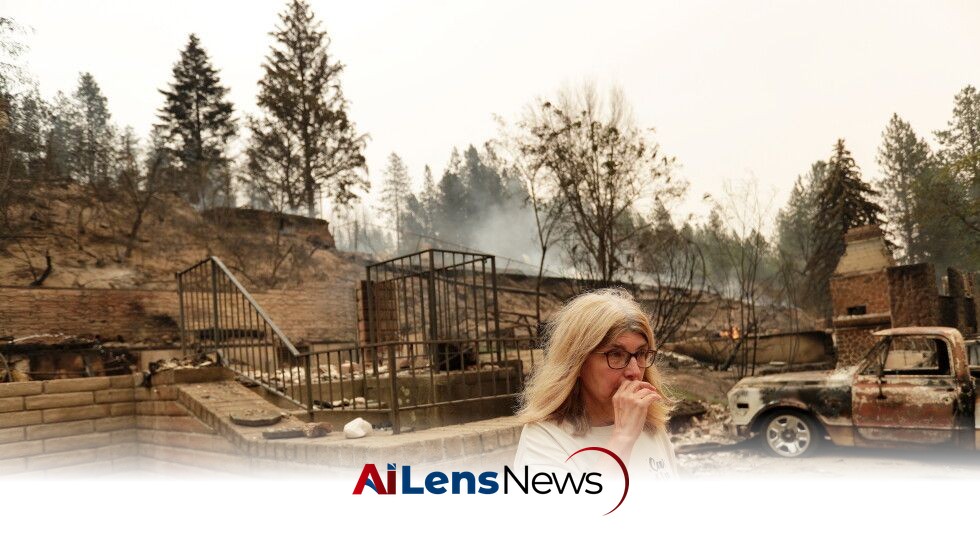


Wildfires in eastern Washington have destroyed 600 structures and forced the evacuation of 60,000 residents, including patients from local hospitals.
Olympia, United States Aug 3, 2026 ALN: Authorities in eastern Washington are grappling with the aftermath of devastating wildfires that have burned approximately 600 structures and forced the evacuation of around 60,000 residents in the Spokane area. The fires, which remain uncontained, have led to significant destruction, impacting homes, businesses, and critical infrastructure. This situation is compounded by the region's history with wildfires, which have become increasingly frequent and intense due to climate change and other environmental factors.
As of Sunday, August 2, 2026, officials reported that about 5,000 homes had been evacuated. The fires have wreaked havoc on the region, with many residents forced to leave their homes in a hurry, often with little more than the clothes on their backs. Emergency services are working tirelessly to assess the damage and provide assistance to those affected. The scale of the destruction has raised alarms about the preparedness of the region for such disasters, prompting discussions on improving emergency response protocols and infrastructure resilience.
The evacuation orders have been issued in stages, with authorities closely monitoring the fire's spread and the safety of residents. Shelters have been established in schools and community centers, providing a temporary refuge for those displaced. The emotional toll on families is significant, as many have lost not just their homes but also cherished belongings and memories. The process of returning to normalcy will be long and arduous, requiring not only physical rebuilding but also mental health support for those affected.
Among those evacuated are patients from local hospitals, highlighting the fires' impact on healthcare services in the area. Medical facilities are under pressure as they manage the influx of patients while also ensuring the safety of their staff and resources. Hospitals have had to activate emergency protocols, diverting incoming patients and prioritizing care for those most in need. This situation underscores the vulnerability of healthcare systems during natural disasters, where the demand for medical services can surge unexpectedly.
Healthcare providers are also facing challenges in maintaining adequate supplies and staff levels, as many healthcare workers are personally affected by the fires. The potential for smoke inhalation and other fire-related health issues adds to the urgency of the situation, prompting public health officials to issue warnings about the dangers of air quality in the region. Community health organizations are mobilizing to provide support to those in need, including mental health resources for individuals coping with the stress and anxiety of displacement.
Local authorities have set up emergency shelters to accommodate displaced residents. Community organizations are mobilizing to provide food, clothing, and other essential supplies to those affected. The response from neighboring communities has been commendable, with many volunteers stepping up to assist in relief efforts. Donations of food, clothing, and other necessities have poured in from across the state, illustrating the solidarity and resilience of the region.
Local businesses have also contributed to relief efforts, providing meals and supplies for evacuees and first responders. Social media platforms have become vital tools for coordinating volunteer efforts and spreading awareness about the needs of those impacted by the fires. However, as the situation evolves, there are concerns about the sustainability of these community efforts, particularly as the fires continue to burn and the number of displaced individuals grows.
Firefighters are battling the blazes with all available resources, but challenging weather conditions and rugged terrain are complicating their efforts. High temperatures, low humidity, and strong winds have created a perfect storm for fire spread, making it difficult for ground crews to contain the flames. The use of aerial firefighting resources, including helicopters and air tankers, has been critical in attempting to slow the fire's advance, but the effectiveness of these measures can be limited by weather conditions.
Authorities are urging residents to stay informed and follow evacuation orders to ensure their safety. The unpredictability of wildfires necessitates a proactive approach to emergency management, with officials encouraging residents to have emergency plans in place. Public awareness campaigns about fire safety and prevention have become increasingly important in educating communities about the risks associated with wildfires and the steps they can take to protect themselves and their properties.
As the situation develops, officials are emphasizing the importance of preparedness and community resilience. The long-term recovery process will require collaboration among government agencies, local organizations, and residents to rebuild and restore the affected areas. This includes not only physical reconstruction but also economic recovery, as many businesses have been severely impacted by the fires. The local economy, which relies heavily on tourism and agriculture, faces significant challenges in the aftermath of such a disaster.
In the wake of these fires, discussions are likely to intensify regarding land management practices, forest thinning initiatives, and the role of climate change in exacerbating wildfire risks. Policymakers may be prompted to reevaluate existing strategies to mitigate fire hazards and protect vulnerable communities. As residents begin to return to their homes, the focus will shift to rebuilding lives and communities, fostering a sense of hope and recovery amidst the devastation.
For now, the focus remains on controlling the fires and ensuring the safety of all residents in eastern Washington. The resilience of the affected communities will be tested in the coming weeks and months, but the spirit of cooperation and support seen during this crisis offers a glimpse of the strength that can emerge from adversity.
To learn more about the latest developments in Crime & Law, stay updated with our exclusive reports and analyses on AiLensNews.

