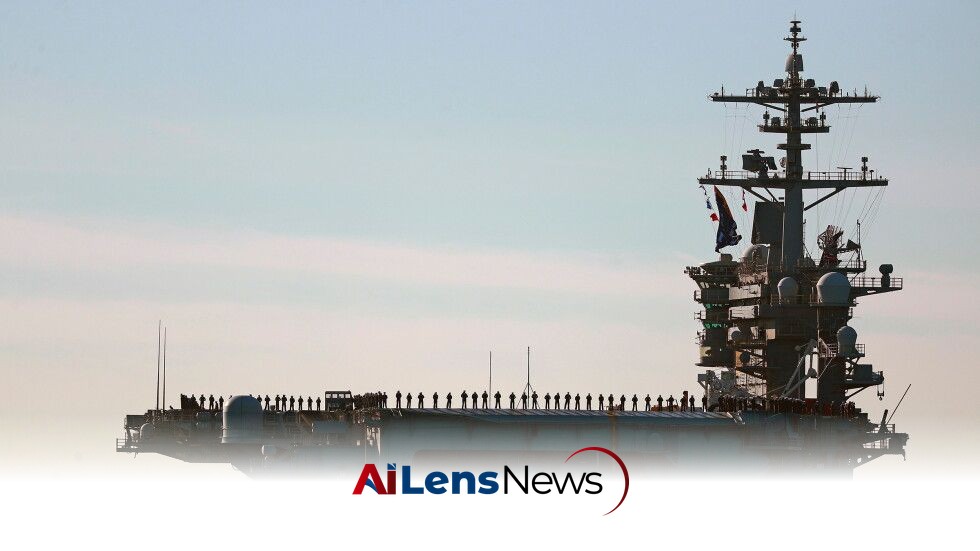


The USS George Washington aircraft carrier is en route to the Middle East following reports of mental health and supply challenges aboard the USS Abraham Lincoln.
Washington DC, United States Aug 14, 2026 ALN: The USS George Washington, a Pacific-based aircraft carrier, has begun its journey toward the Middle East. This deployment comes in response to emerging reports of mental health concerns and supply issues aboard the long-deployed USS Abraham Lincoln. The decision to deploy the USS George Washington underscores the U.S. Navy's commitment to maintaining operational readiness and addressing the challenges faced by its fleet.
The USS Abraham Lincoln has faced challenges during its extended deployment, raising alarms regarding the mental well-being of its crew and the adequacy of supplies. Reports indicate that the crew has experienced heightened stress levels, a common issue during prolonged deployments, which can lead to fatigue and decreased morale. The mental health of military personnel is a critical concern for the Navy, especially given the demanding nature of naval operations.
Supply issues further exacerbate the situation aboard the USS Abraham Lincoln. Extended deployments can strain logistics, leading to shortages of essential supplies such as food, medical resources, and equipment. These shortages not only affect the daily lives of the crew but can also impact the ship's operational capabilities. Military officials have recognized the need to address these issues promptly to prevent any negative impact on mission readiness.
The USS George Washington's deployment is part of a strategic move to bolster U.S. naval presence in the Middle East. This region has been a focal point for U.S. military operations for decades, with ongoing tensions and conflicts necessitating a robust naval presence. The carrier is equipped with advanced capabilities, including a range of aircraft and weapon systems, allowing it to respond effectively to various operational needs in the area.
As the USS George Washington heads toward the Middle East, it will join other naval assets in the region, enhancing the U.S. Navy's ability to project power and deter potential threats. The deployment is not only a response to the current situation aboard the USS Abraham Lincoln but also a proactive measure to ensure that the Navy remains prepared for any contingencies that may arise.
The USS Abraham Lincoln has been a vital asset for the U.S. Navy, participating in numerous missions since its commissioning. Launched in 1989 and commissioned in 1990, the aircraft carrier has played a significant role in various conflicts and operations, including Operation Enduring Freedom and Operation Iraqi Freedom. Its history is marked by significant achievements and challenges, reflecting the evolving nature of naval warfare and the demands placed on military personnel.
However, the recent reports highlight the pressures faced by naval personnel during extended deployments, which can lead to significant challenges in maintaining morale and operational effectiveness. The Navy has been increasingly aware of the psychological impacts of long deployments, leading to initiatives aimed at improving the mental health of sailors. These initiatives include counseling services, mental health screenings, and peer support programs designed to help personnel cope with the stresses of military life.
This situation underscores the importance of addressing the mental health and supply needs of military personnel. As the USS George Washington heads toward the Middle East, the Navy is likely to implement measures to ensure the well-being of its crew while maintaining readiness for potential missions. Addressing mental health concerns is crucial not only for the welfare of the sailors but also for the overall effectiveness of naval operations.
The implications of this deployment extend beyond the immediate operational context. It highlights the need for the Navy to continually assess and adapt its support systems for personnel, particularly in light of the increasing demands placed on military forces in various global hotspots. Furthermore, the situation raises questions about the sustainability of extended deployments and the long-term impact on the mental health of service members.
As the Navy navigates these challenges, it will be essential to strike a balance between operational readiness and the well-being of its personnel. The ongoing assessments and support for personnel will be crucial as operations continue in the region. The Navy's ability to adapt to these challenges will play a significant role in maintaining its effectiveness and ensuring the safety of its sailors.
The deployment of the USS George Washington reflects the U.S. Navy's commitment to maintaining a strong presence in the Middle East while addressing the challenges faced by its vessels and crews. The situation aboard the USS Abraham Lincoln serves as a reminder of the complexities involved in military operations and the importance of prioritizing the health and well-being of service members. As the Navy continues to operate in a dynamic and often unpredictable environment, the lessons learned from this situation will be vital in shaping future policies and practices to support its personnel.
Military deployments, particularly for naval forces, are often characterized by their length and complexity. The USS Abraham Lincoln's current challenges reflect broader trends in military operations where personnel are deployed for extended periods, often leading to mental health issues and logistical challenges. The Navy has recognized that modern warfare requires not just technological superiority but also a well-supported and mentally resilient force. This recognition has led to increased investment in mental health resources, as well as logistical planning to ensure that sailors have the supplies they need to perform their duties effectively.
Moreover, the geopolitical landscape in the Middle East continues to evolve, with various nations asserting their influence and interests in the region. This dynamic necessitates a strong and responsive U.S. naval presence, particularly as tensions can escalate rapidly. The USS George Washington's deployment is not merely a response to the immediate situation aboard the USS Abraham Lincoln but is also part of a larger strategy to deter aggression and assure allies in a region that remains fraught with uncertainty.
As the Navy prepares for future operations, it is crucial to consider the long-term implications of such deployments on personnel. The mental health of service members has become a priority as the Navy seeks to retain experienced sailors and maintain operational readiness. The lessons learned from the USS Abraham Lincoln's challenges may inform future deployments, ensuring that the Navy can adapt and provide the necessary support to its personnel.
In addition to addressing personnel issues, the modernization of naval operations through technology plays a critical role in enhancing operational effectiveness. The USS George Washington, equipped with advanced avionics, weapon systems, and communication technologies, represents the forefront of naval warfare capabilities. These advancements not only improve the ship's combat readiness but also facilitate better logistical support and communication with other forces in the region.
As the Navy continues to integrate new technologies, the importance of training and familiarization for personnel cannot be overstated. Ensuring that sailors are well-versed in the latest systems and technologies is essential for maintaining operational effectiveness, especially during extended deployments. This focus on training, coupled with robust mental health support, will be vital in preparing the Navy for the challenges it faces in the future.
The deployment of the USS George Washington to the Middle East is a multifaceted response to both immediate operational needs and the broader context of military readiness. As the U.S. Navy navigates the complexities of modern warfare, the focus on personnel well-being, logistical support, and technological advancement will be crucial. The challenges faced by the USS Abraham Lincoln serve as a reminder of the importance of these elements in ensuring the effectiveness and resilience of the Navy's fleet.
Ultimately, the lessons learned from these deployments will shape the future of naval operations, informing policies that prioritize the health and readiness of service members while ensuring that the U.S. Navy remains a formidable force in a rapidly changing global landscape.
To learn more about the latest developments in Crime & Law, stay updated with our exclusive reports and analyses on AiLensNews.

