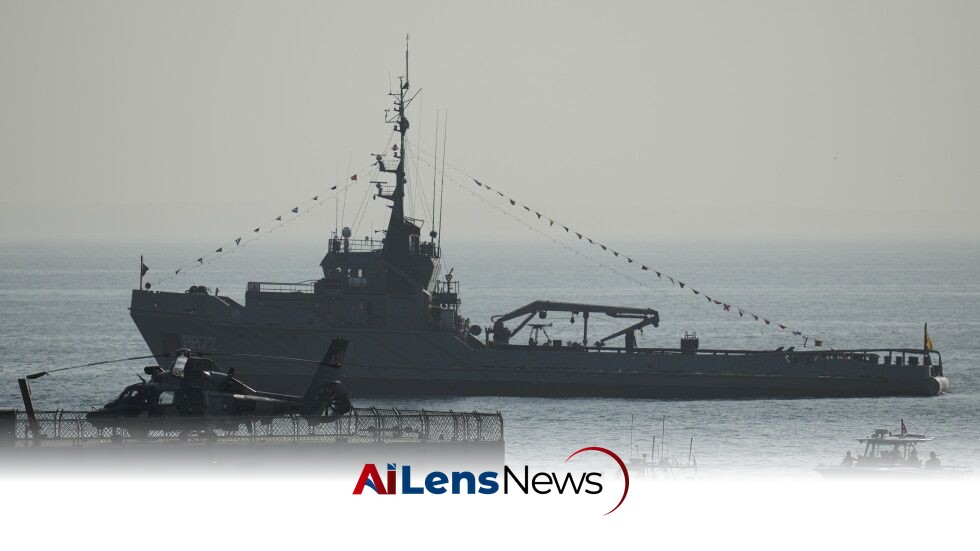


The Trump administration is extending its military campaign against drug trafficking from the sea to land, with agreements in Colombia, Guatemala, and Honduras.
Washington DC, United States Aug 18, 2026 ALN: Hundreds of people have been killed in the year since the U.S. military began bombing boats it accused of ferrying drugs off Latin America’s Caribbean and Pacific coasts. This military campaign is part of a broader U.S. strategy to combat drug trafficking and organized crime in the region, which has been a persistent challenge for both local governments and international authorities. The situation has escalated to the point where the Trump administration is now seeking to extend this lethal campaign to land operations, pursuing agreements that would allow U.S. forces to operate on the ground in allied nations across Latin America.
During a recent visit to Panama, President Donald Trump’s defense secretary, Pete Hegseth, announced that Colombia, Guatemala, and Honduras had agreed to allow the U.S. to conduct joint military operations against criminal groups on their soil. This follows a similar agreement with Ecuador, which launched collaborative military missions with the U.S. in March. However, it is important to note that Guatemala has denied reaching such an agreement, which raises questions about the reliability of these partnerships and the complexities involved in securing regional cooperation.
Hegseth emphasized the intention behind these operations, stating, "It will be like you saw with the strikes on the drug boats. Same effect on land. And so we’re working with Ecuador. We’re working with Colombia. We’re working with partners to bring the fight to the designated terrorist organizations on land." This language suggests a continuation of a heavy-handed approach that has characterized U.S. military involvement in Latin America for decades, often with mixed results.
The expansion of military operations into land-based engagements marks a significant shift in U.S. strategy in the region. Historically, the U.S. has focused on aerial surveillance and maritime interdiction as primary tools in the fight against drug trafficking. However, the increasing violence and instability linked to organized crime have prompted a reevaluation of these tactics. In recent years, regions such as Central America have seen a surge in homicides and gang-related violence, forcing governments to seek more robust assistance from the U.S. military.
The U.S. has faced substantial criticism for its previous tactics, which have resulted in high civilian casualties and have sometimes exacerbated the very issues they aimed to address. Critics argue that military solutions often overlook the underlying social, economic, and political factors contributing to drug trafficking and organized crime. The reliance on military force can lead to a cycle of violence that disproportionately affects vulnerable populations, raising serious humanitarian concerns.
As the U.S. seeks to bolster its military presence in Latin America, the implications of these operations could resonate beyond the immediate objectives of combating drug trafficking. Increased military engagement may complicate diplomatic relations with Latin American nations, particularly if local populations perceive these actions as infringements on sovereignty or as a continuation of historical patterns of intervention. The potential for resentment and backlash could undermine the very goals the U.S. aims to achieve, including stability and security in the region.
Moreover, the effectiveness of military solutions to complex social issues remains a contentious topic among policymakers and scholars. Many experts argue that addressing the root causes of drug trafficking—such as poverty, lack of education, and limited economic opportunities—requires a multifaceted approach that includes not only military action but also investment in social programs and community development. The U.S. has historically allocated significant resources to military aid and training in Latin America, but critics contend that this has often come at the expense of addressing the socio-economic conditions that fuel crime and violence.
In summary, the U.S. military's shift from maritime to land operations reflects an aggressive stance against drug trafficking but invites scrutiny regarding the humanitarian consequences and the broader geopolitical landscape in Latin America. The long-term impact of this strategy will depend on how effectively the U.S. can balance military engagement with diplomatic efforts and social investment, ensuring that its actions contribute to a more stable and secure region without exacerbating existing tensions or humanitarian crises.
To learn more about the latest developments in World News & International Affairs, stay updated with our exclusive reports and analyses on AiLensNews.

