


The reopening of the US-Mexico border to Mexican livestock reignites debates over trade and protectionism in the cattle industry, with mixed reactions from ranchers.
Washington DC, United States Aug 23, 2026 ALN: The US government is set to reopen part of the southern border to Mexican livestock on Monday, following a prolonged closure due to a New World screwworm outbreak. This decision has reignited a decades-old debate within the cattle industry, as ranchers grapple with the implications for their livelihoods. The reopening, particularly in Douglas, Arizona, is significant as it allows cattle from Sonora, Mexico, to enter the United States, a move that many stakeholders are watching closely.
The New World screwworm, a parasitic fly that infests the wounds of livestock, poses serious health risks to cattle. The initial closure of the border, which has been in effect intermittently since November 2024, was a precautionary measure to prevent the spread of this pest. The screwworm can lead to severe economic losses for ranchers due to increased veterinary costs, reduced animal health, and ultimately lower productivity in herds. The decision to reopen the border comes amidst ongoing concerns about agricultural biosecurity and the potential for disease spread across borders.
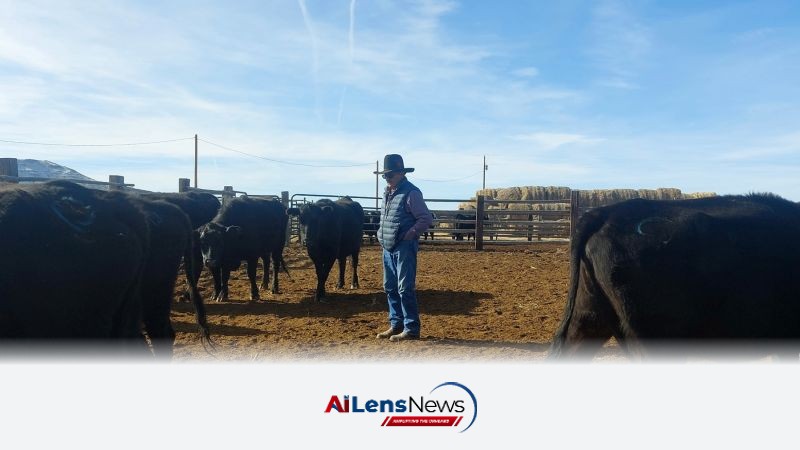
Cattle rancher Johnny Mestas, who has faced health challenges during his long career in the San Luis Valley of southern Colorado, expressed his concerns about the reopening. "Not everybody is meant to be a farmer," he remarked, highlighting the challenges posed by market fluctuations, weather, and competition from neighbors. Mestas's sentiments resonate with many ranchers who feel the pressures of an evolving market landscape where external factors heavily influence their operations.
The reopening of the border has sparked renewed discussions about protectionism in the cattle industry. Many US cattle producers feel they are being forced to compete against Mexican ranchers and American meatpackers, especially as beef prices soar for consumers. The price of beef has seen significant increases, raising questions about whether the influx of cattle from Mexico will exacerbate or alleviate these market pressures. Ranchers worry that cheaper imports could undercut their prices, making it difficult to sustain their operations.
Mexican ranchers, on the other hand, are hopeful that the reopening will help revive their struggling businesses. Alvaro Bustillos, head of the ranchers' union in Chihuahua, expressed optimism that a successful reopening could lead to increased cross-border trade. The prolonged closure has severely impacted his operations, leading to significant financial losses. "I had to fire people," Bustillos shared. "It took me years to build my team. This is not only about the cattle trade; it’s about families bonded together." His sentiments reflect the broader impact of the border closure on communities reliant on the cattle industry, where jobs and livelihoods are closely tied to the health of the cattle market.
Conversely, US ranchers like Bill Bullard, CEO of R-CALF, are vocal against the reopening. Bullard argues that the influx of cheaper cattle and beef from Mexico poses a significant threat to American ranchers. He pointed out that the US has seen a drastic reduction in its cattle producers over the past generation, attributing this decline to increased dependence on foreign sources. "In just over a generation’s time, we wiped out half of our cattle producers in this country," Bullard stated. He emphasized that this trend threatens not only the livelihoods of ranchers but also national security, as a robust domestic cattle industry is seen as crucial for food security and economic stability.
Despite the concerns raised by American ranchers, US officials have decided to proceed with the reopening in Sonora, citing the state's high industry standards and lack of recent screwworm cases. However, just days prior to the announcement, Sonora reported its first screwworm infestation, raising further concerns about the potential risks involved. This development has sparked fears among US ranchers that the reopening could lead to a resurgence of the pest, undermining the hard-fought gains made in controlling its spread.
The implications of this reopening extend beyond immediate economic concerns. The cattle industry is a significant part of both the US and Mexican economies, with extensive supply chains that cross borders. The decisions made regarding livestock trade can affect everything from local economies to international trade relations. As the reopening date approaches, ranchers on both sides of the border are left to navigate the complexities of trade, health risks, and their economic futures. The potential for increased cross-border trade could lead to new opportunities, but it also brings with it the specter of competition that many US ranchers fear will threaten their way of life.
In conclusion, the reopening of the US-Mexico border to cattle trade is a multifaceted issue that encapsulates a range of concerns from health risks to economic impacts. As ranchers prepare for this transition, the ongoing dialogue about protectionism, competition, and the future of the cattle industry will remain critical. Both American and Mexican ranchers will need to adapt to the evolving landscape, balancing their interests with the realities of a globalized market.
To learn more about the latest developments in Agriculture & Rural Affairs, stay updated with our exclusive reports and analyses on AILensNews.

