

The top U.S. military commander in the Middle East has visited the USS Lincoln, highlighting the ongoing military presence and diplomatic efforts in the region.
Washington DC, United States Aug 17, 2026 ALN: The top U.S. military commander in the Middle East, General Michael Kurilla, made a significant visit to the USS Abraham Lincoln, an aircraft carrier stationed in the Arabian Sea. This visit comes at a critical time as diplomatic discussions regarding the Gaza conflict are taking place in Egypt. The USS Lincoln, part of the Nimitz-class of aircraft carriers, has been a vital asset for U.S. naval operations, projecting power and ensuring military readiness in a region often fraught with tension.
General Kurilla's visit underscores the importance of maintaining military readiness in the region amidst rising tensions. The USS Lincoln has been deployed for several months, playing a crucial role in U.S. naval operations. Aircraft carriers like the USS Lincoln serve as floating airbases, capable of launching air strikes and providing support to ground operations. The presence of such a formidable military asset is often intended as a deterrent against potential adversaries, signaling U.S. commitment to its allies and interests in the region.
In recent months, the situation in the Middle East has been increasingly volatile, particularly with the resurgence of hostilities between Israel and Hamas. This conflict has seen significant military actions, including airstrikes and rocket attacks, prompting concerns about broader regional stability. General Kurilla’s visit may also serve to reassure U.S. allies in the region, such as Israel and Gulf states, of America's unwavering support amid these turbulent times.
Meanwhile, diplomatic talks in Egypt aim to address the ongoing conflict in Gaza, with various stakeholders involved in negotiations. The discussions are crucial for stabilizing the region and preventing further escalation. Egypt has historically played a mediatory role in the Israeli-Palestinian conflict, leveraging its geographical proximity and political influence. The current talks are particularly significant as they involve not only Israeli and Palestinian representatives but also key regional players and international actors.
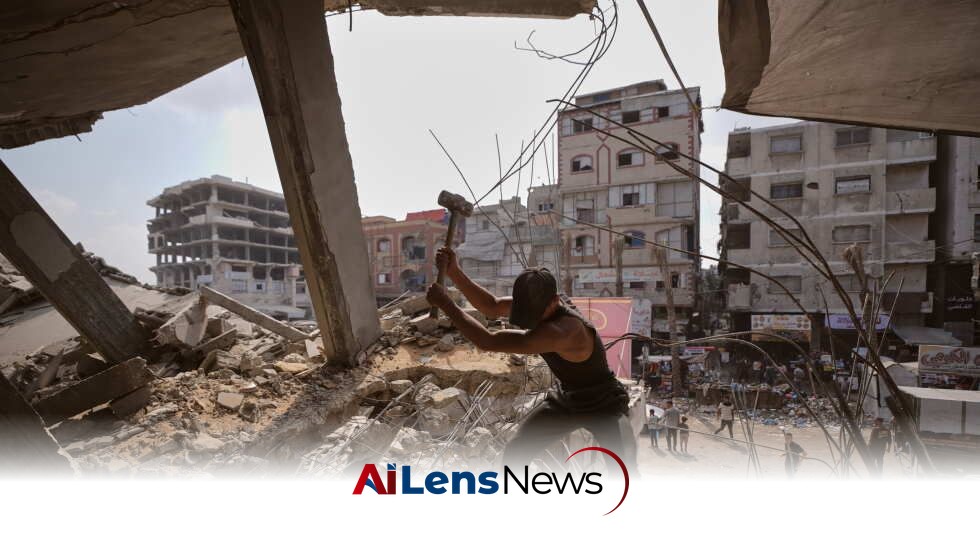
These negotiations are focused on achieving a ceasefire and addressing humanitarian needs in Gaza, where the civilian population has been severely affected by the ongoing conflict. The international community, including the United Nations and various non-governmental organizations, is advocating for immediate humanitarian access to alleviate the suffering of those impacted by the violence.
The international community is closely monitoring the situation, with various countries expressing their concerns over the humanitarian impact of the conflict. Nations around the world are advocating for a peaceful resolution and emphasizing the need to protect civilians caught in the crossfire. The U.S. has reiterated its commitment to supporting Israel while also advocating for peace and stability in the region. This dual approach reflects the complex nature of U.S. foreign policy, which seeks to balance strategic alliances with humanitarian considerations.
Countries in the Middle East, particularly those that have normalized relations with Israel, are also navigating their responses to the ongoing violence. Nations like the United Arab Emirates and Bahrain, which recently established diplomatic ties with Israel, face domestic pressures to address the Palestinian plight while maintaining their strategic partnerships.
As military operations continue and diplomatic discussions unfold, the situation in the Middle East remains fluid. The visit of General Kurilla to the USS Lincoln highlights the ongoing U.S. military presence and the importance of diplomatic efforts to resolve the conflict. The interplay between military readiness and diplomatic negotiations is critical in this context, as both components are essential for achieving long-term stability in the region. Moving forward, the effectiveness of international diplomacy in addressing the humanitarian crisis and fostering peace will be closely watched by both regional stakeholders and the global community.
To learn more about the latest developments in World News & International Affairs, stay updated with our exclusive reports and analyses on AiLensNews.

