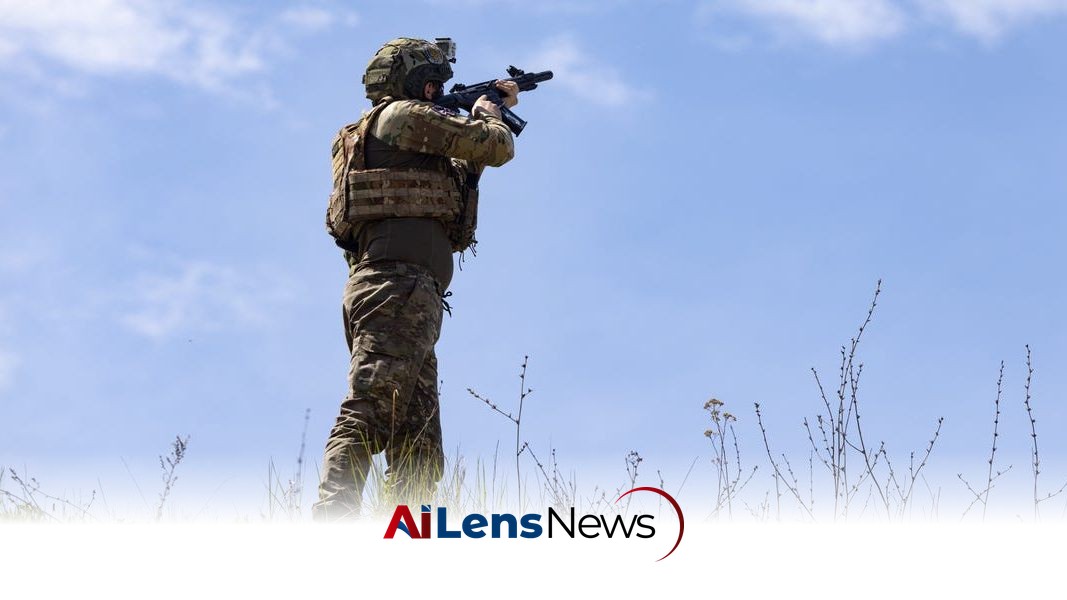


As drone warfare escalates, Ukrainian elite troops are modifying their trench-clearing tactics to include constant aerial surveillance during assaults.
Washington DC, United States Jul 18, 2026 ALN: The ongoing conflict in Ukraine has introduced a new era of warfare, characterized by the widespread use of drones. This shift has necessitated a transformation in military training, particularly for elite units such as the Ukrainian Special Operations Forces. As these special operators adapt to the realities of modern combat, they have developed innovative strategies to counter the drone threat that looms over the battlefield.
The integration of drones into military operations has been a game changer, affecting tactics and strategies across various fronts. In Ukraine, the rise of uncrewed aerial vehicles (UAVs) has led to a reevaluation of traditional combat practices. Ukrainian special operators are now being trained to maintain vigilance not only on the ground but also in the skies, particularly when clearing Russian-held trenches, which have become focal points in the ongoing conflict.
As stated by an operator from the 4th Ranger Regiment, the training regimen has undergone significant changes in response to the escalating drone threat. The operator, known by the call sign "Gur," emphasized the increased emphasis on counter-drone tactics and the incorporation of drones into training exercises. This shift is indicative of a broader trend in military operations, where adaptability and responsiveness to emerging threats are paramount.
The concept of a "kill zone" has emerged to describe the heavily monitored areas along the front lines in southern and eastern Ukraine. This zone, typically extending between 10 to 20 kilometers from the line of contact, is fraught with dangers from drones that can engage targets with precision. As Ukrainian officials report an expansion of this kill zone, military commanders are compelled to adjust their strategies to mitigate the risks posed by aerial surveillance and attacks.
In the context of trench warfare, which has seen a resurgence reminiscent of World War I, the presence of drones has introduced new complexities. Trench clearing, a task that requires careful coordination and strategy, is now complicated by the need to constantly monitor the skies for enemy drones. Gur's description of a typical trench-clearing operation highlights the necessity of teamwork and situational awareness in this new battlefield environment.
During these operations, teams of four operators are tasked with clearing trenches while simultaneously keeping an eye on potential aerial threats. The soldiers split into pairs, with one member focusing on the trench while the other scans the airspace for drones. This dual focus is critical; if a drone is spotted, the team must be prepared to engage it, employing whatever means necessary, whether it be a standard rifle or a pump-action shotgun.
The use of pump-action shotguns has been noted as particularly effective against first-person-view (FPV) drones, which are difficult to jam using electronic warfare tactics. This adaptability in weaponry illustrates how Ukrainian forces are evolving their approach to combat in response to the unique challenges presented by drone technology.
Moreover, the training exercises now incorporate scenarios where Ukrainian drone pilots participate alongside ground troops. This collaboration enhances the operators' ability to engage enemy drones effectively while also providing cover for their fellow soldiers. The emphasis on concealment and cover during movement underscores the importance of tactical maneuvering in an environment where aerial surveillance can quickly reveal troop movements.
The implications of these adaptations extend beyond immediate battlefield tactics. As drones become more prevalent in warfare, the need for specialized training in counter-drone measures will likely spread to other military units and nations. The lessons learned by Ukrainian special operators may serve as a model for other forces grappling with similar challenges in modern combat. This evolution of military training reflects a broader recognition of the changing nature of warfare, where technology plays an increasingly pivotal role.
In addition to the tactical adjustments, the psychological impact of drone warfare cannot be overlooked. The constant threat of aerial surveillance and potential attacks can create a heightened sense of anxiety among troops. This necessitates not only physical training but also mental resilience to cope with the stresses associated with operating in a high-risk environment.
As the conflict in Ukraine continues to unfold, the strategies employed by special operators will likely evolve further. The ongoing integration of drones into military operations will challenge traditional notions of warfare and compel armed forces worldwide to rethink their training methods and operational strategies. The ability to adapt to new technologies and threats will be crucial for maintaining effectiveness on the battlefield.
Overall, the situation in Ukraine serves as a stark reminder of the rapid changes occurring in modern warfare. The rise of drones has transformed the landscape of combat, and as Ukrainian special operators enhance their training to counter this threat, they exemplify the necessity of innovation and adaptability in the face of evolving challenges. The lessons learned in Ukraine may well influence military practices globally as nations confront the realities of drone warfare and its implications for future conflicts.
The emergence of drones in warfare has not only altered tactical approaches but has also raised ethical and strategic considerations. The use of drones for surveillance and combat raises questions about accountability and the rules of engagement, particularly in densely populated areas. As drones can operate from a distance, the implications for civilian safety and the potential for collateral damage become critical factors in military planning.
Furthermore, the development of anti-drone technologies is becoming an area of significant investment and research. Countries are exploring various methods to neutralize drone threats, including electronic warfare systems, lasers, and kinetic interceptors. The rapid pace of technological advancement in drone capabilities necessitates a corresponding evolution in countermeasures, leading to a dynamic arms race in aerial combat.
In this context, the experiences of Ukrainian special operators may provide valuable insights into effective counter-drone tactics. As they refine their methods, their approaches could be documented and analyzed, contributing to a growing body of knowledge on the integration of drones into modern military operations. This could lead to the establishment of best practices that could be disseminated among allied forces, enhancing collective security and operational effectiveness.
Moreover, the lessons learned from Ukraine could influence military doctrine worldwide. As nations observe the effectiveness of drone usage and the corresponding adaptations in training and tactics, there may be a shift in how military organizations structure their forces and prepare for future conflicts. This could include an increased emphasis on joint operations between air and ground units, as well as greater investment in technological innovations that enhance situational awareness and operational flexibility.
In conclusion, the adaptation of Ukrainian Special Operations Forces to counter drone threats exemplifies a crucial evolution in military strategy. The ongoing conflict serves as a testing ground for new tactics and technologies that may shape the future of warfare. As the landscape of combat continues to change, the ability to integrate technological advancements into military operations will be essential for maintaining a competitive edge on the battlefield. The ongoing evolution of drone warfare and countermeasures will likely define the next generation of military conflicts, with far-reaching implications for national security and global stability.
To learn more about the latest developments in Local & Regional, stay updated with our exclusive reports and analyses on AiLensNews.

