

Recent Ukrainian drone attacks on Russian warehouses and infrastructure have resulted in nine deaths and over 80 injuries, escalating the conflict further.
Washington DC, United States Jul 19, 2026 ALN: The ongoing conflict between Ukraine and Russia has dramatically evolved since its inception in 2014, following Russia's annexation of Crimea. The situation escalated significantly in February 2022 when Russia launched a full-scale invasion of Ukraine, leading to a protracted war that has seen a variety of military tactics employed by both sides. One of the most notable shifts in this conflict has been the increased use of drone warfare, a trend that has recently manifested in Ukrainian strikes on Russian territory. These attacks, particularly those targeting key infrastructure in the Moscow and Tambov regions, highlight Ukraine's evolving military strategy aimed at disrupting Russian supply chains and logistical networks.
Recent reports indicate that Ukrainian drones have successfully targeted two major warehouses belonging to Wildberries, an online retailer in Russia. These strikes resulted in substantial casualties, with Russian officials confirming the deaths of nine individuals and injuries to over 80 others. This escalation marks a significant moment in Ukraine's drone campaign, which has increasingly focused on striking at the heart of Russian logistical capabilities. The attacks occurred overnight and continued into Saturday afternoon, reflecting a concerted effort by Ukraine to project its military power deep into Russian territory.
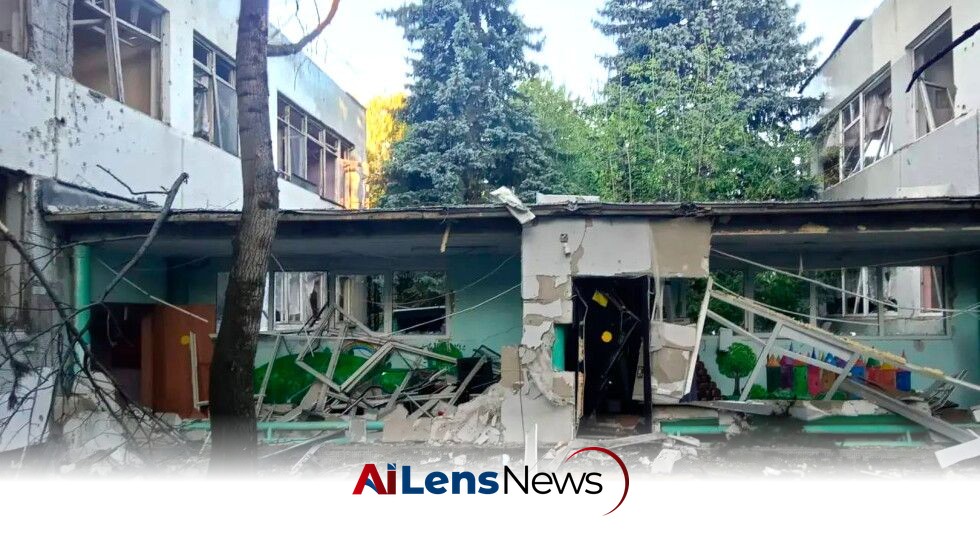
The specific locations targeted in these strikes were Kotovsk and Elektrostal. Kotovsk is situated approximately 360 kilometers from the Ukrainian border, while Elektrostal is located just 50 kilometers east of Moscow. The strategic importance of these sites cannot be overstated; they play a crucial role in the supply chains that support not only civilian operations but also military logistics for Russian forces. The attack on Kotovsk resulted in the deaths of seven night shift workers, while the strike on Elektrostal led to a significant fire that required emergency response efforts. Notably, drone debris also impacted a nearby kindergarten, igniting a fire that was extinguished without casualties, showcasing the potential for collateral damage in such military operations.
Ukrainian President Volodymyr Zelenskyy confirmed the strikes via a Telegram post, emphasizing that the facilities targeted were integral to supplying components for drone production and navigation equipment used by Russian forces. This statement underscores a broader strategy by Ukraine to not only retaliate against Russian aggression but also to systematically degrade its military capabilities by targeting critical infrastructure. The implications of these strikes extend beyond immediate casualties; they signal a notable shift in the dynamics of the war, with Ukraine demonstrating an increasing capability to conduct operations deep within Russian territory.
In addition to the warehouse strikes, a separate Ukrainian drone attack targeted an oil depot in Noginsk, located just north of Elektrostal. This particular strike ignited a fire that necessitated the evacuation of a nearby maternity hospital and residential area, further illustrating the potential for civilian impact in these military operations. The Russian Defense Ministry reported that its air defenses intercepted 379 Ukrainian drones across various regions, including Crimea and the Black Sea, indicating the scale and intensity of the ongoing aerial conflict.
The implications of these drone strikes extend into the realm of morale and public perception within Russia. As the conflict drags on, the Russian populace is increasingly confronted with the harsh realities of war on their soil. The attacks on civilian infrastructure, such as warehouses and oil depots, may lead to heightened anxiety among the Russian public regarding the security of their homeland and the effectiveness of their government's military strategy. This could potentially foster dissent and questions about the ongoing war effort, particularly if civilian casualties continue to rise.
Moreover, these drone strikes emphasize the critical role of logistics in modern warfare. Both Ukraine and Russia are engaged in a war of attrition, and the ability to disrupt supply lines becomes increasingly vital. By focusing on targeting logistical hubs and military supply routes, Ukraine aims to cripple Russia's operational capabilities, potentially impacting its ability to sustain military operations in Ukraine. This strategy reflects a broader understanding of the interconnectedness of military operations and supply chains, a lesson that has become increasingly apparent in the context of contemporary warfare.
In a related development, Ukrainian forces have also engaged in operations targeting maritime assets in the Black and Azov seas. Reports from Ukraine's General Staff indicate that these operations included strikes against vessels utilized for transporting military cargo and fuel. This demonstrates Ukraine's intent to disrupt Russian maritime logistics, further complicating Russia's supply chain and operational capabilities. Notably, the Ukrainian military claimed to have successfully struck a Svetlyak-class patrol ship in Kerch, marking a significant achievement in their naval campaign.
The escalation of the conflict into Russian territory raises important questions about the potential for further retaliatory measures from Moscow. As casualties mount and infrastructure is damaged, the Russian government may feel pressured to respond more aggressively, which could lead to an escalation in violence and further civilian suffering on both sides. The use of drones, which has become a hallmark of this conflict, reflects the changing nature of warfare, where technology plays a pivotal role in shaping military strategies and outcomes.
As the conflict continues into its fifth year, the international community remains watchful of these developments. The implications of a sustained Ukrainian drone campaign within Russia could influence diplomatic relations and affect ongoing discussions regarding military aid and support for Ukraine. The West's response to these developments will be crucial in shaping the future trajectory of the conflict, as nations assess the balance of power and the evolving nature of warfare.
In summary, the recent Ukrainian drone strikes that resulted in casualties and destruction of key infrastructure in Russia signify a critical moment in the ongoing conflict. They not only highlight Ukraine's military capabilities but also underscore the importance of logistics in warfare. As both sides brace for continued hostilities, the potential for escalation remains a significant concern, with implications for regional stability and international relations. The evolving nature of this conflict continues to challenge traditional notions of warfare, with drone technology playing an increasingly central role in the strategies employed by both Ukraine and Russia.
To learn more about the latest developments in World News & International Affairs, stay updated with our exclusive reports and analyses on AiLensNews.

