

More
Checking your session
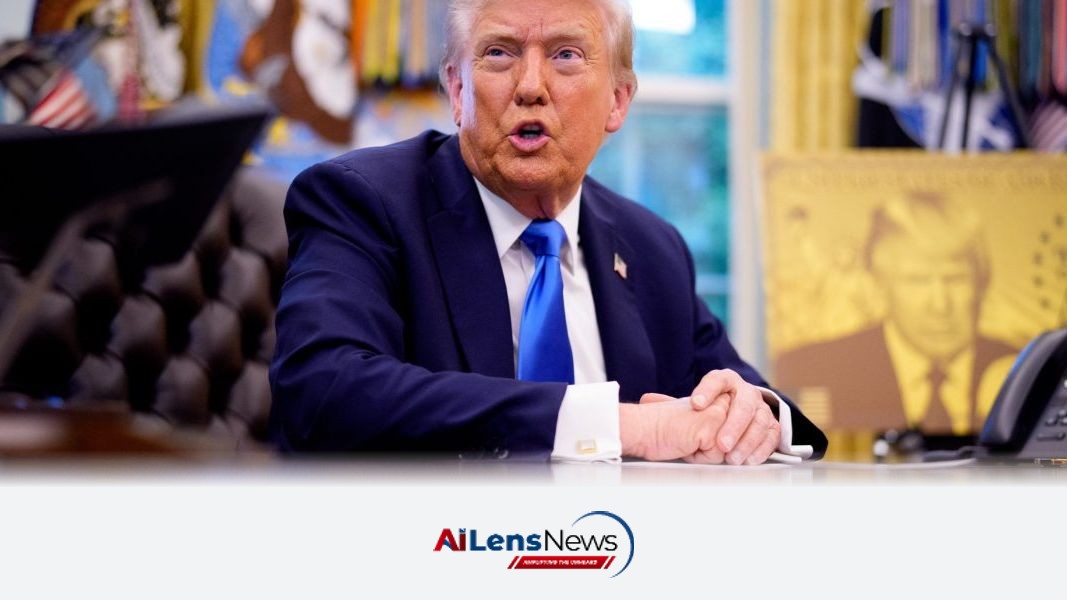



The proposed surcharge on H-1B visas could significantly impact small businesses, with experts warning it may lead to job offshoring instead of promoting local hiring.
Washington DC, United States Aug 25, 2026 ALN: Months after a federal judge rejected a hefty fee on H-1B visas, the Trump administration is back with a new proposal: a $103,265 surcharge for companies seeking to hire foreign workers. This proposal has sparked significant debate among businesses, particularly small enterprises that form the backbone of the U.S. economy.
On Tuesday, the Department of Homeland Security (DHS) announced this additional charge on top of existing filing costs. The department estimates that this fee would impose a "significant economic impact" on 11,051 small businesses, which accounts for 76% of the small entities analyzed. If enacted, this fee could drastically alter the dynamics of a visa program heavily utilized by tech firms, consulting companies, and startups, potentially giving larger corporations an edge over their smaller counterparts.
The H-1B visa program has long been a critical pathway for skilled foreign workers to obtain employment in the United States. It is particularly important in sectors facing talent shortages, such as technology, engineering, and healthcare. The proposed fee represents a substantial increase in the cost of hiring foreign talent, which could discourage many small businesses from pursuing this avenue. This could lead to a reduction in innovation and competitiveness, as smaller companies often rely on diverse talent pools to drive their growth and development.
While DHS claims the fee aims to encourage companies to hire more Americans, research suggests the opposite. Britta Glennon, an assistant professor at the University of Pennsylvania’s Wharton School, notes that restrictions on H-1B visas often lead multinational companies to offshore jobs instead. This raises concerns that the fee could have the unintended consequence of driving jobs overseas rather than keeping them within the U.S. economy.
Glennon explains that large corporations like Amazon and Microsoft can hire talent in countries such as Canada, India, or China if U.S. hiring becomes challenging. They can even establish offices in cities like Vancouver or Toronto to create alternative pipelines for foreign talent. This flexibility allows larger firms to mitigate the impact of increased costs associated with hiring foreign workers.
In contrast, startups face a more precarious situation. Research indicates that startups losing access to desirable H-1B workers are less likely to patent their innovations or achieve successful acquisitions or IPOs. This is critical because startups often drive technological advancements and economic growth through innovation. Larger firms have more flexibility to navigate these challenges, but for startups, access to talent is crucial for their survival. If they are unable to recruit the skilled workers they need, it could stifle their growth and lead to fewer new ideas entering the market.
“Small companies have fewer options, and this significantly impacts their profitability and success,” Glennon elaborates. “For startups, access to talent is crucial for their survival.” The implications of this fee extend beyond individual businesses; they could affect the broader economy by reducing the number of new ventures and innovations that emerge in the marketplace.
This is not the first time the Trump administration has attempted to impose a six-figure fee. In September 2025, President Trump issued a proclamation requiring a $100,000 payment for certain H-1B workers, which was later vacated by U.S. District Judge Leo Sorokin. The administration's appeal was declined by the First Circuit last month, which did not allow the payment to remain in effect during the appeal process. This history of legal challenges underscores the contentious nature of immigration policy in the United States, particularly regarding the H-1B visa program.
This time, DHS is utilizing its fee-setting authority and following the traditional notice-and-comment rulemaking process, which immigration attorney Elizabeth Ricci believes gives this new proposal a better chance of surviving potential litigation. The notice-and-comment rulemaking process is designed to allow stakeholders to voice their opinions and concerns, potentially leading to adjustments in the proposal based on feedback received during this period.
The proposed fee is intended to reimburse the government for immigration-related expenses. DHS estimates that the federal government spends approximately $8.8 billion annually on immigration-related costs. Dividing this by the 85,000 H-1B visas available each year results in the proposed fee of around $103,265. Over a decade, this rule could cost employers a staggering $74.9 billion. This significant financial burden raises questions about the sustainability of the H-1B program and its impact on the U.S. labor market.
“The proposed H‑1B fee aims to recover costs incurred across the federal government to adjudicate, vet, and support lawful immigration programs that would otherwise be funded by taxpayers,” stated Zach Kahler, a spokesperson for DHS’s U.S. Citizenship and Immigration Services. This rationale for the fee highlights the ongoing debate about the costs and benefits of immigration to the U.S. economy. Advocates for reform argue that the immigration system should be structured to support economic growth and innovation, while critics contend that such fees disproportionately burden smaller enterprises and could hinder job creation.
The implications of this proposed fee extend beyond immediate financial considerations. If small businesses are unable to afford the increased costs associated with hiring foreign talent, it could lead to a significant shift in the labor market. This could exacerbate existing inequalities between large corporations and small businesses, potentially stifling competition and innovation in the long term. As the U.S. economy continues to evolve, the balance between protecting domestic workers and fostering a vibrant, innovative business environment will remain a critical issue for policymakers and business leaders alike.
To learn more about the latest developments in Economy, stay updated with our exclusive reports and analyses on AILensNews.