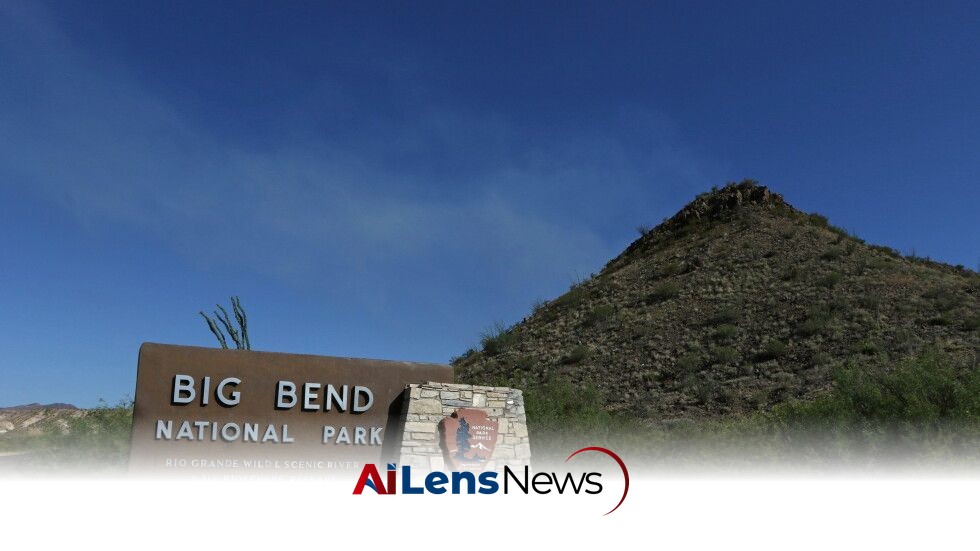


The Trump administration has temporarily paused a contentious border construction project in Big Bend National Park for an on-site evaluation.
Washington DC, United States Aug 18, 2026 ALN: The Trump administration has announced a temporary halt to the controversial border construction project in Big Bend National Park, Texas. This decision comes as the head of the agency responsible for the project is set to conduct an on-the-ground evaluation of the site. This move has drawn attention not only from environmental advocates but also from local communities and political analysts who are closely monitoring the implications of this pause.
The border project, part of a broader initiative to enhance security along the U.S.-Mexico border, has faced significant backlash from environmentalists and local communities who argue that it threatens the delicate ecosystem of the national park. Big Bend National Park, established in 1944, spans over 800,000 acres along the Rio Grande and is known for its stunning landscapes and diverse wildlife, making it a popular destination for tourists and nature enthusiasts.
The park is home to a variety of ecosystems, ranging from desert to mountainous regions, and supports numerous species of plants and animals, some of which are endangered or threatened. The construction of a border wall or barrier is believed to disrupt migration patterns and habitats, leading to long-term ecological consequences. Critics have raised alarms over the potential fragmentation of habitats and the introduction of infrastructure that could further threaten wildlife.
According to officials, the pause is intended to allow for a thorough assessment of the project’s impact on the environment and local wildlife. The evaluation is expected to address concerns raised by various stakeholders, including conservation groups, local residents, and scientific experts. The decision to pause construction reflects a growing recognition of the need to balance national security objectives with environmental stewardship.
In recent years, there has been increased scrutiny of border security initiatives, particularly those that intersect with protected lands. The National Environmental Policy Act (NEPA) requires federal agencies to assess the environmental effects of their proposed actions, and this pause may be part of an effort to comply with such regulations. The evaluation will likely consider not only the immediate impacts of construction but also the long-term implications for the park's ecosystem.
As the evaluation proceeds, it remains to be seen whether the project will resume or if modifications will be made to mitigate environmental impacts. The administration has not provided a timeline for when the evaluation will be completed, leaving many stakeholders in a state of uncertainty. The outcome of this evaluation could set a precedent for how future border projects are handled, particularly those that intersect with environmentally sensitive areas.
Moreover, the implications of this decision extend beyond Big Bend National Park. The ongoing debate over border security and environmental conservation is emblematic of a larger national discussion about the balance between development and preservation. As climate change and habitat loss become increasingly pressing issues, the need for thoughtful and informed decision-making in these contexts is more important than ever.
The temporary pause in the border construction project at Big Bend National Park highlights the ongoing tension between national security initiatives and environmental conservation. Stakeholders are hopeful that the evaluation will lead to a more balanced approach that respects both the need for security and the preservation of natural landscapes. This situation serves as a reminder of the complexities involved in managing public lands and the necessity of engaging with diverse perspectives to find solutions that honor both human and ecological communities.
To learn more about the latest developments in Local & Regional, stay updated with our exclusive reports and analyses on AiLensNews.

