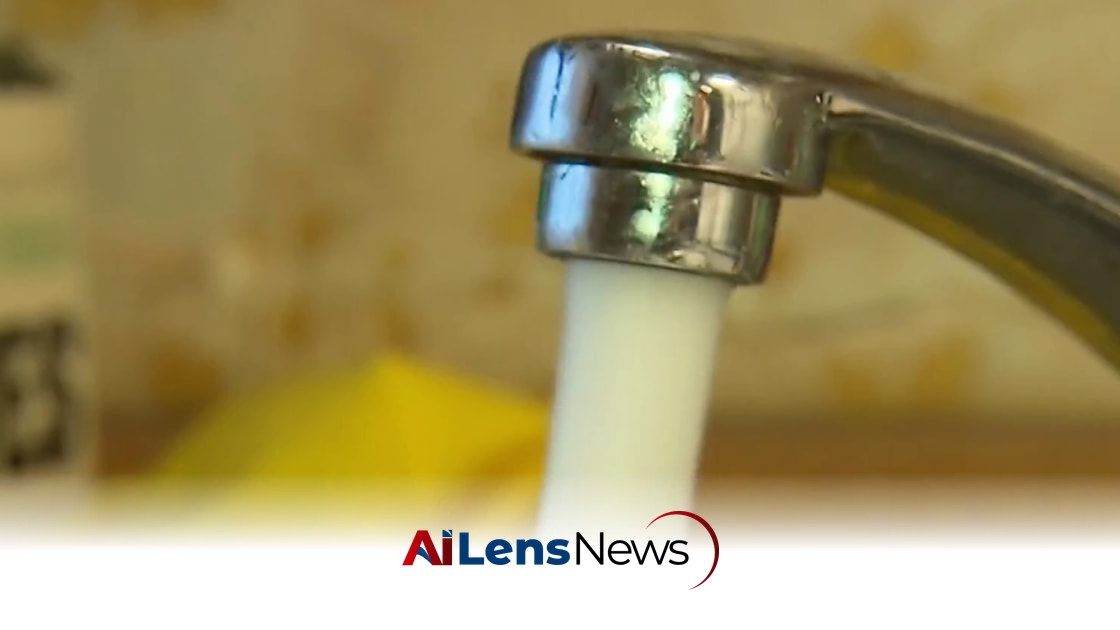


The Trump administration has raised alarms about potential cyberattacks targeting water systems, following a report linking recent incidents in Minnesota to Iranian-backed hackers.
Washington DC, United States Jul 31, 2026 ALN: The Trump administration is sounding the alarm over potential cyberattacks on water systems across the United States. This warning comes after a senior law enforcement official disclosed to NBC News that a recent cyberattack on water systems in Minnesota bore the hallmarks of Iranian-backed hackers. The implications of such attacks are severe, as they can compromise the safety and availability of drinking water, disrupt essential services, and instill fear among the populace.
In recent years, the frequency and sophistication of cyberattacks targeting critical infrastructure have increased markedly. Cyber warfare, which involves the use of digital attacks to disrupt the activities of a nation, has emerged as a significant concern for governments worldwide. The official emphasized that the attack in Minnesota is not an isolated incident but part of a broader pattern of cyber threats targeting essential services. This pattern raises alarms about the vulnerabilities inherent in the nation’s infrastructure, particularly in sectors that are vital to public health and safety.
The cybersecurity landscape is continually evolving, with adversaries employing increasingly sophisticated tactics to infiltrate systems. In the case of the Minnesota water system, the attack reportedly involved techniques that are consistent with those used by Iranian-backed hackers, who have been known to target various sectors as part of their geopolitical strategies. This connection highlights the potential for foreign adversaries to exploit vulnerabilities in U.S. infrastructure as a means of exerting influence or causing disruption.
Officials are urging water system operators nationwide to bolster their cybersecurity measures to mitigate the risks of such attacks. The administration's warning underscores the importance of safeguarding public utilities from foreign adversaries, particularly as tensions rise in international relations. Cybersecurity experts recommend a multi-layered approach to defense that includes regular software updates, employee training on recognizing phishing attempts, and the implementation of robust access controls to limit the potential for breaches.
Moreover, the federal government has established various initiatives aimed at enhancing the cybersecurity posture of critical infrastructure sectors. The Cybersecurity and Infrastructure Security Agency (CISA) has been actively involved in providing guidance and resources to help organizations identify vulnerabilities and strengthen their defenses. This includes sharing information about emerging threats and best practices for mitigating risks. The collaboration between federal, state, and local entities is crucial in building a resilient defense against cyber threats.
This incident serves as a stark reminder of the vulnerabilities within the nation's infrastructure and the potential consequences of cyberattacks on public safety and health. Water systems, in particular, are essential to daily life, and any disruption can have far-reaching impacts on communities. The consequences of a successful cyberattack on a water supply could range from the contamination of drinking water to widespread panic and distrust in public services.
As investigations continue, authorities are working to assess the full scope of the threat and implement necessary precautions. This process involves not only identifying the specific vulnerabilities that were exploited in the Minnesota attack but also understanding the broader implications for other water systems across the country. The findings from these investigations are expected to inform future policy decisions and operational practices aimed at enhancing cybersecurity in the water sector.
In light of this warning, water system operators are advised to remain vigilant and proactive in their cybersecurity efforts to protect against potential intrusions. This includes conducting regular risk assessments, developing incident response plans, and fostering a culture of security awareness among employees. The importance of preparedness cannot be overstated, as the potential for cyberattacks continues to grow in sophistication and frequency.
The situation remains fluid, and further updates are expected as more information becomes available. Stakeholders across the public and private sectors are urged to maintain open lines of communication regarding cybersecurity threats and responses. The sharing of information and best practices can help build a collective defense against the evolving landscape of cyber threats.
Additionally, this warning raises important questions about the role of government regulation and oversight in ensuring the cybersecurity of critical infrastructure. As cyber threats become more prevalent, there may be a growing call for stricter regulations and standards to ensure that organizations are adequately prepared to defend against attacks. Policymakers will need to balance the need for security with the operational realities faced by water system operators, many of whom may have limited resources to dedicate to cybersecurity.
In conclusion, the warning issued by the Trump administration regarding cyberattacks on water systems serves as a crucial reminder of the vulnerabilities facing critical infrastructure in the United States. As cyber threats continue to evolve, it is imperative for water system operators and government agencies to work collaboratively to enhance cybersecurity measures and protect public health and safety. The implications of these threats extend beyond individual incidents, highlighting the need for a comprehensive approach to cybersecurity that addresses the complexities of modern digital warfare.
The potential for cyberattacks on water systems is not a new concern. In fact, the U.S. government has been aware of these vulnerabilities for years, especially as the integration of technology into essential services has expanded. Water systems, which include treatment facilities, distribution networks, and storage tanks, have increasingly adopted digital technologies to improve efficiency and management. However, this digitization also opens up new avenues for cyber intrusions, making it imperative for operators to stay ahead of the curve in terms of security measures.
The attack in Minnesota represents a critical juncture in the conversation about cybersecurity for public utilities. It underscores the need for a comprehensive understanding of the potential consequences of such breaches. Beyond immediate health risks, there are long-term implications for public trust in government institutions. If citizens perceive that their water supply is vulnerable to attack, it could lead to a decline in confidence in local authorities and public health agencies.
Furthermore, the geopolitical context surrounding these cyber threats cannot be overlooked. The involvement of Iranian-backed hackers suggests that these attacks are not merely random acts of cybercrime but are part of a larger strategy by foreign entities to undermine U.S. infrastructure and create chaos. This realization necessitates a proactive approach to cybersecurity, one that not only addresses existing vulnerabilities but anticipates future threats as well.
In response to the growing threat landscape, many water systems are exploring partnerships with cybersecurity firms and leveraging advanced technologies such as artificial intelligence and machine learning to detect and respond to threats more effectively. These technologies can analyze vast amounts of data to identify unusual patterns of behavior that may indicate an impending attack, allowing for quicker responses and mitigation efforts.
Moreover, public awareness campaigns are essential in educating the general populace about the importance of cybersecurity in their everyday lives. Citizens should be encouraged to report suspicious activities or anomalies they may observe in their water supply systems, fostering a community-based approach to security. Engaging the public in this manner can enhance the overall resilience of water systems against cyber threats, as informed citizens become an additional layer of defense.
As the investigations into the Minnesota attack progress, it will be crucial to analyze the methodologies used by the attackers and the specific vulnerabilities that were exploited. This information can not only aid in preventing similar attacks in the future but also contribute to a broader understanding of the tactics employed by state-sponsored hackers. Such insights can inform both policy and operational changes across various sectors, enhancing the overall security posture of critical infrastructure.
In summary, the warning from the Trump administration regarding cyberattacks on water systems is a clarion call for immediate action. It highlights the intricate relationship between national security and public health, emphasizing the need for a united front in the fight against cyber threats. As the landscape of cyber warfare continues to evolve, so too must the strategies employed by both government and private entities to safeguard essential services. The stakes are high, and the time for action is now.
To learn more about the latest developments in Crime & Law, stay updated with our exclusive reports and analyses on AiLensNews.

