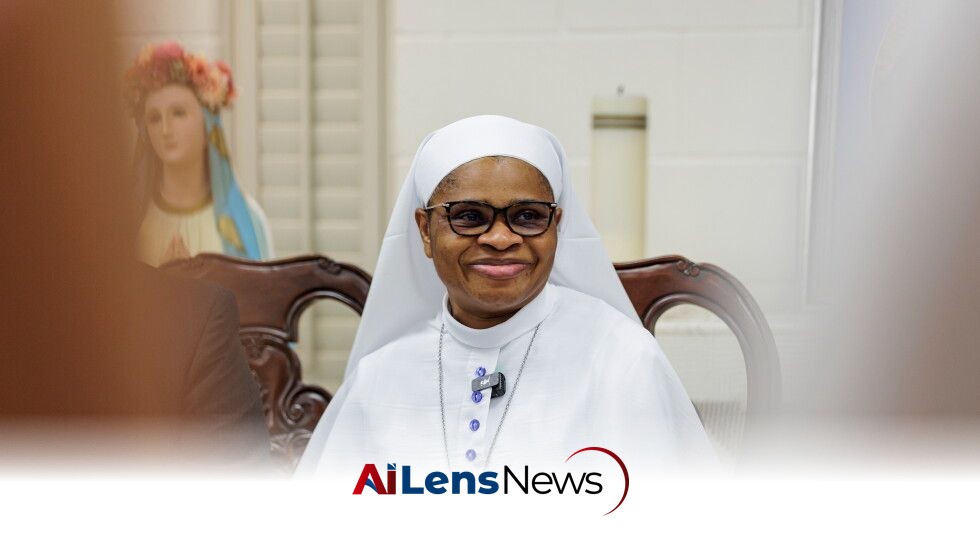


A Texas nun detained by ICE while walking to Mass shares her experience, advocating for the rights of others in similar situations.
Austin, United States Jul 24, 2026 ALN: A nun who was taken into immigration custody last month in Texas is speaking out for the first time about her arrest while walking to Mass. Sister Leticia Ugboaja, dressed in her religious habit, was apprehended by U.S. Immigration and Customs Enforcement (ICE) agents as she made her way to church. This incident has raised significant concerns regarding the treatment of immigrants and the broader implications of immigration enforcement policies in the United States.
Sister Ugboaja’s experience is emblematic of the challenges faced by many immigrants, particularly those who may not fit the typical narratives often portrayed in the media. Her situation highlights how individuals can become entangled in immigration enforcement actions in unexpected and, at times, shocking circumstances. The arrest of a religious figure while en route to a place of worship has sparked a national conversation about the appropriateness of such actions by ICE, particularly in sensitive environments where individuals are seeking solace and community.
During a press conference following her release, Sister Ugboaja expressed her desire to raise awareness about the challenges faced by immigrants, particularly those who, like her, are often overlooked. "I want people to know that we all deserve to be heard and treated with dignity," she stated, emphasizing the need for compassion in discussions surrounding immigration. Her words resonate deeply in a climate where immigration issues are often politicized, and the human stories behind the statistics can be lost.
The apprehension of Sister Ugboaja has ignited discussions about immigration policies and the treatment of individuals in custody. Critics of current enforcement practices argue that such actions contribute to a culture of fear among immigrant communities. The fact that a nun, a figure typically associated with peace and service, was detained while walking to Mass underscores the unpredictability and harsh realities faced by many in similar situations. Sister Ugboaja emphasized the importance of compassion and understanding in addressing immigration issues, urging authorities to consider the human stories behind the statistics. Her experience serves as a stark reminder of the potential consequences of stringent immigration policies that prioritize enforcement over empathy.
"I was simply walking to Mass, a place of peace and worship, and suddenly found myself in a situation I never expected," she recounted. "This experience has opened my eyes to the struggles many face, and I feel compelled to speak out for those who cannot." Sister Ugboaja's assertion that her experience has broadened her perspective is reflective of a common theme among those who have faced similar challenges. Many individuals who have been detained or faced deportation often emerge from these experiences with a heightened awareness of the systemic issues surrounding immigration.
Since her release, Sister Ugboaja has been actively engaging with community leaders and organizations to advocate for immigration reform. She hopes her story will inspire others to stand up for justice and compassion in the face of adversity. Her advocacy work is part of a larger movement that seeks to influence public policy and promote humane treatment for immigrants. By sharing her personal narrative, Sister Ugboaja aims to humanize the immigration debate and encourage a shift in public perception towards a more empathetic approach.
The conversation surrounding immigration in the United States is complex and multifaceted. It encompasses legal, social, and economic dimensions that affect millions of lives. Sister Ugboaja's testimony serves as a poignant reminder of the human impact of policies that often prioritize enforcement over empathy. As the nation grapples with questions of border security, asylum, and the rights of individuals, stories like hers highlight the need for a more compassionate approach to immigration reform.
In the broader context, the United States has seen a significant shift in immigration policy over the past few decades. The enforcement of immigration laws has become increasingly stringent, with policies that often prioritize deportation and detention over pathways to citizenship or legal residency for undocumented individuals. This shift has led to a growing fear within immigrant communities, as many individuals live in constant anxiety about potential detainment or deportation.
Furthermore, the role of ICE has been under scrutiny, with many advocates calling for reforms to the agency's practices. Critics argue that ICE operations often lack transparency and accountability, leading to abuses of power and violations of human rights. In sensitive scenarios, such as the arrest of Sister Ugboaja, the implications of these practices resonate deeply, raising ethical questions about the appropriateness of enforcement actions in places where individuals seek refuge and solace.
Moreover, Sister Ugboaja's experience is not an isolated incident. Numerous reports have surfaced over the years detailing similar cases where individuals, including children and families, have been apprehended in places such as schools, hospitals, and places of worship. These actions have sparked outrage among various religious leaders, civil rights organizations, and community activists, who argue that such practices undermine the fundamental principles of compassion and humanity.
In response to these ongoing challenges, many grassroots organizations have emerged to support immigrants and advocate for policy changes. These organizations often provide legal assistance, resources, and support networks for individuals navigating the complexities of immigration law. Sister Ugboaja's involvement with such groups underscores the critical role that community engagement plays in advocating for systemic change.
As Sister Ugboaja continues her advocacy work, she emphasizes the importance of solidarity among individuals from all walks of life. Her call to action is not just a plea for reform; it is a challenge to all individuals to reflect on their own views and the narratives that shape public discourse around immigration. By fostering understanding and empathy, it is possible to create a more inclusive society that values the dignity of every person, regardless of their background.
As discussions around immigration policy continue to evolve, the implications of Sister Ugboaja's experience will likely resonate within communities across the nation. Her story serves as a catalyst for dialogue, encouraging individuals to confront their biases and advocate for policies that prioritize human dignity and justice. In a time when immigration remains a contentious issue, the voices of those directly affected, like Sister Ugboaja, are essential in shaping a more humane approach to immigration in the United States.
Ultimately, Sister Ugboaja's experience serves as a powerful reminder of the need for compassion in the face of adversity. It underscores the importance of listening to the stories of those who are often marginalized and overlooked in discussions about immigration policy. By elevating these narratives, society can begin to dismantle the barriers that perpetuate fear and division, paving the way for a more just and equitable future for all individuals, regardless of their immigration status.
To learn more about the latest developments in Crime & Law, stay updated with our exclusive reports and analyses on AiLensNews.

