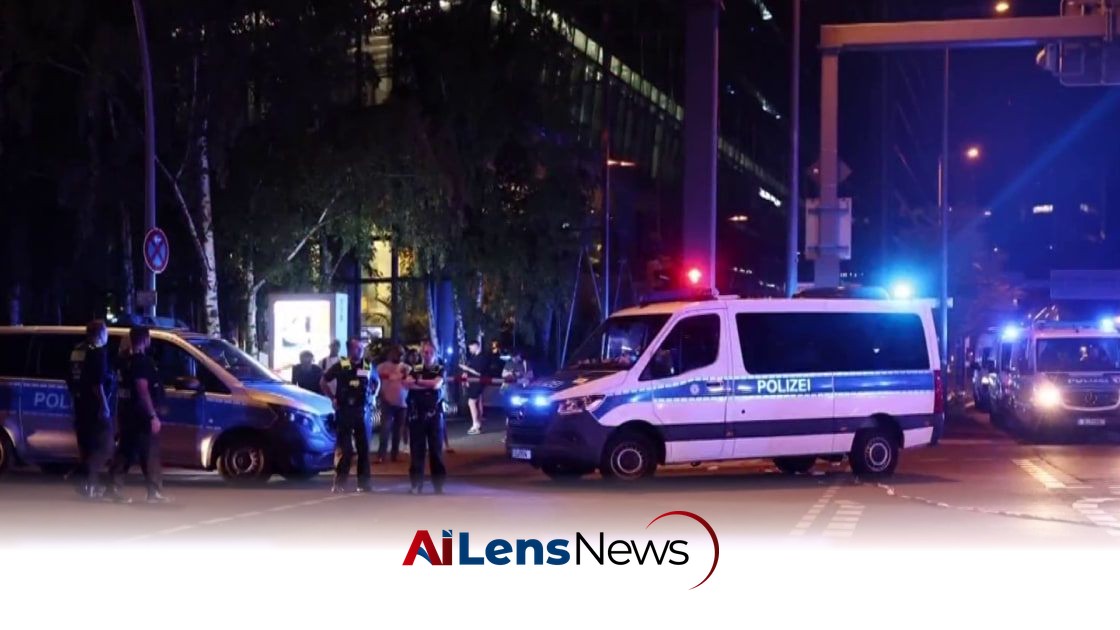


A 21-year-old suspect was killed by police after a deadly attack in Berlin where he drove a van into a crowd, injuring many attending a Pride event.
Washington DC, United States Jul 27, 2026 ALN: In a tragic incident in Berlin, police shot and killed a 21-year-old man identified as Abdul Ballout after he allegedly rushed at officers with a stabbing weapon during an attempted arrest. This confrontation followed a horrifying attack where Ballout drove a white van into a crowd of pedestrians in a park, injuring numerous individuals. The incident marks a significant moment in the ongoing challenges that cities face regarding public safety and the threat of violent attacks. The response from law enforcement and the community's reaction are crucial points of discussion in the aftermath of this event.
The attack occurred as many people were celebrating at a large Pride event, which heightened the sense of urgency and fear among the attendees. Pride events are typically characterized by a spirit of celebration and inclusivity, drawing large crowds to partake in festivities that promote LGBTQ+ rights and visibility. However, the presence of such a violent act during a time of celebration has left many feeling vulnerable and anxious about their safety in public spaces. The juxtaposition of joy and terror at such a gathering underscores the precarious nature of public safety in contemporary society.
Authorities have confirmed that the suspect's actions were deliberate, leading to a swift police response. This deliberate nature of the attack raises questions about the motivations behind it, particularly in a city like Berlin, which has a history of being a symbol of tolerance and diversity. The choice of a Pride event as a target adds a layer of complexity, as it suggests a potential ideological motive behind the attack, which could be rooted in anti-LGBTQ+ sentiments. Such motivations reflect a broader societal issue where marginalized communities often face violence and discrimination, particularly during events that celebrate their rights and existence.
Witnesses reported chaos as the van sped through the park, with many victims caught off guard. Eyewitness accounts describe scenes of panic and confusion, as people attempted to flee the area while others rushed to help those who were injured. Emergency services quickly arrived on the scene to provide assistance and transport the injured to local hospitals. The rapid response of emergency services is crucial in such situations, as timely medical attention can significantly impact the outcomes for victims of violent attacks. The effectiveness of emergency response protocols in high-stress situations like this is a vital component of public safety strategies.
Berlin police stated that they had been monitoring Ballout prior to the incident, and the situation escalated rapidly when he attempted to confront the officers. This pre-existing surveillance indicates that Ballout may have been known to law enforcement for reasons that are yet to be fully disclosed. The police's decision to use lethal force has sparked discussions about the protocols in place for handling such dangerous situations. Critics are questioning whether the use of deadly force was necessary, particularly in the context of a suspect who was already under observation, and whether non-lethal measures could have been employed instead. This incident reignites debates about the balance between ensuring public safety and the appropriate use of force by law enforcement, especially in high-stakes scenarios.
This incident has raised concerns regarding public safety, especially in light of the ongoing celebrations that were taking place at the time. The juxtaposition of a festive atmosphere with a violent attack underscores the fragility of safety in public events. Community leaders are calling for a thorough investigation into the events leading up to the attack and the police response. Such investigations are vital not only for accountability but also for restoring public trust in law enforcement agencies. The need for transparency in these processes is paramount, as communities seek assurance that measures will be taken to prevent similar occurrences in the future.
As the investigation unfolds, many in Berlin are left grappling with the aftermath of this violent act, reflecting on the impact it has had on the community and the broader implications for safety during public events. The psychological toll of such incidents can linger long after the immediate physical injuries have been treated, as individuals may feel a heightened sense of fear and anxiety in public spaces. Community support systems will likely need to be mobilized to help those affected cope with the emotional ramifications of the attack. Mental health resources and community outreach initiatives may become critical in the weeks and months following the event, as people process their experiences and seek to regain a sense of normalcy.
Authorities are urging anyone with additional information to come forward as they work to piece together the details surrounding this tragic event. The call for public assistance highlights the importance of community involvement in ensuring safety and security. It also emphasizes the need for transparency in the investigation process, as communities seek to understand how such an attack could occur and what measures can be implemented to prevent similar incidents in the future. Engaging the community in discussions about safety and security can lead to more effective strategies and a stronger collective response to threats.
In the broader context, this incident reflects ongoing global concerns regarding terrorism and public safety. Cities worldwide are grappling with similar threats, and events that attract large crowds often become potential targets for violence. As a result, many cities are re-evaluating their security measures during public events, including increased police presence, surveillance, and emergency preparedness protocols. The challenge remains to implement these measures without infringing on civil liberties and the right to peaceful assembly, a fundamental aspect of democratic societies.
Moreover, the implications of this attack extend beyond immediate safety concerns. It raises critical questions about how societies can foster inclusivity and acceptance while simultaneously addressing the threats posed by extremist ideologies. The incident at the Pride event may serve as a rallying point for advocates of LGBTQ+ rights, highlighting the need for solidarity against hate crimes and violence. The response from the LGBTQ+ community and its allies in the wake of this tragedy will be crucial in shaping the narrative around safety and inclusivity in public spaces.
In conclusion, the tragic events in Berlin serve as a stark reminder of the complexities surrounding public safety in contemporary society. As investigations continue, the community is left to navigate the aftermath of violence and reflect on the measures necessary to safeguard against future attacks. The balance between maintaining public safety and preserving the spirit of celebration and inclusivity at events like Pride remains a pressing challenge for cities around the world. The need for ongoing dialogue about safety, community resilience, and the fight against discrimination will be essential in moving forward from this tragic incident.
To learn more about the latest developments in Crime & Law, stay updated with our exclusive reports and analyses on AiLensNews.

