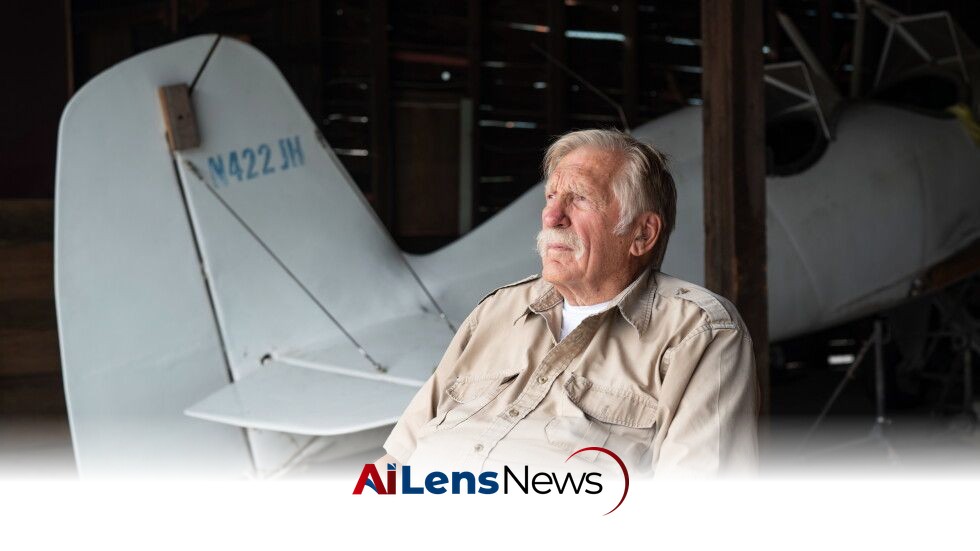


The U.S. Supreme Court will hear a case involving an Alaska bush pilot whose plane was targeted for seizure after a passenger brought beer on a flight to a dry village.
Washington DC, United States Jul 22, 2026 ALN: The U.S. Supreme Court has agreed to review a controversial case involving an Alaska bush pilot, Ken Jouppi, who faces the potential seizure of his $95,000 airplane. This legal battle stems from an incident where a passenger brought a six-pack of beer on a flight destined for a dry village in Alaska.
In August 2025, Jouppi was flying to a remote village that prohibits alcohol. State authorities claim that the presence of the beer constituted a violation of local laws, prompting them to attempt to seize his aircraft. Jouppi argues that this action is not only unjust but also illegal, as he was unaware of the beer’s presence.
This case has emerged against the backdrop of Alaska's unique legal and cultural landscape, particularly concerning alcohol regulations. Many villages in Alaska, especially those with Indigenous populations, have enacted laws prohibiting alcohol to combat issues related to substance abuse, crime, and social disorder. These laws are often rooted in long-standing cultural practices and community decisions aimed at preserving public health and safety.
Jouppi's case highlights the tension between state enforcement of these laws and individual rights. The legal framework surrounding alcohol prohibition in dry villages is complex, involving both state law and local ordinances. This incident raises broader questions about the authority of state officials to enforce local laws and the potential consequences for individuals who inadvertently become entangled in such legal matters.
The case has garnered significant attention, raising questions about the extent of state authority over private property and the rights of individuals in the aviation sector. Jouppi's legal team contends that the seizure is an overreach by the state, infringing upon his rights as a pilot and owner of the aircraft. They argue that a pilot should not be held responsible for the actions of passengers, especially when those actions are not known to the pilot at the time of the flight.
Furthermore, the implications of this case extend beyond the immediate parties involved. It touches upon issues related to the Fourth Amendment, which protects against unreasonable searches and seizures, and the due process rights guaranteed by the Fourteenth Amendment. The Supreme Court's decision to hear the case indicates its potential implications for similar situations across the country, particularly in regions where local laws regarding alcohol are strictly enforced.
Jouppi's defense centers on the argument that the state’s actions violate due process rights. His attorneys assert that the seizure of his plane without proper legal justification sets a dangerous precedent for property rights and personal freedoms. They argue that the state must provide clear evidence of wrongdoing before taking such drastic measures as seizing an individual's property, especially when the individual had no knowledge of the alleged violation.
On the other hand, state officials maintain that enforcing alcohol regulations is crucial for maintaining order in dry communities. They argue that the presence of alcohol can lead to increased crime and disorder, justifying their actions in this case. State authorities contend that the seizure of the aircraft serves as a deterrent to future violations and is necessary to uphold the laws that the community has put in place to protect itself.
This case also raises questions about the responsibilities of pilots and the expectations placed upon them. In the aviation industry, pilots are often held to high standards of conduct, and the presence of alcohol, even if not directly in their possession, can have serious implications for their career and legal standing. The state’s argument hinges on the idea that pilots should be aware of what is being transported on their flights, regardless of whether it is their own property or that of a passenger.
The Supreme Court's ruling could have far-reaching consequences, not only for Jouppi but also for other pilots and aircraft owners in similar situations. A decision in favor of Jouppi may reinforce the protection of private property rights against state overreach, potentially establishing a precedent that limits the ability of state authorities to seize property without clear evidence of wrongdoing.
Conversely, a ruling in favor of the state could empower local authorities to impose stricter regulations on aviation and property ownership, particularly in areas with similar alcohol prohibitions. This could lead to a chilling effect on pilots operating in regions where local laws are stringent, as they may face increased scrutiny and potential legal ramifications for actions outside of their control.
Moreover, the decision could influence how laws are crafted and enforced in other states with dry communities. If the Supreme Court upholds the state's right to seize Jouppi's aircraft, it may encourage similar legal actions in other jurisdictions, where enforcement of local laws is a priority.
The Supreme Court's review of this case is set to take place in the upcoming months, and it is expected to draw significant public interest. As the legal proceedings unfold, many will be watching closely to see how the Court balances state authority with individual rights in the context of aviation law. The outcome will not only impact Jouppi and his future as a pilot but could also set a critical precedent for the rights of individuals against government actions in the aviation sector and beyond.
As the case progresses, it will undoubtedly spark discussions about the balance between community standards and individual freedoms, particularly in areas where cultural practices shape local laws. The implications of the Supreme Court's ruling will resonate far beyond Alaska, potentially affecting how similar cases are handled in various jurisdictions across the United States.
In addition to the legal ramifications, the case has also ignited conversations about the social dynamics within Alaska's communities. The relationship between state law and local customs is often fraught with tension, particularly in areas that have a history of alcohol-related issues. The cultural context of alcohol prohibition in many Alaskan villages is tied to a long-standing effort to mitigate the effects of substance abuse, which has had devastating impacts on families and communities. This case may serve to highlight the necessity of understanding local customs and the reasons behind such regulations.
As the Supreme Court prepares to hear this case, it is essential to consider the broader implications for civil liberties and community governance. The outcome could redefine the parameters of legal accountability for pilots and potentially reshape the legal landscape surrounding alcohol regulations in dry communities across the nation. Observers will be keen to understand how the Court interprets the balance between enforcing local laws and protecting individual rights, especially in a context where cultural practices significantly influence legal frameworks.
This case is not just about one pilot's aircraft; it encapsulates a broader dialogue about governance, community standards, and the rights of individuals against state power. As the Supreme Court deliberates, the outcome could set a precedent that may either empower or limit local authorities in their enforcement of community-specific laws, shaping the future of aviation law and individual rights in various states.
To learn more about the latest developments in Crime & Law, stay updated with our exclusive reports and analyses on AiLensNews.

