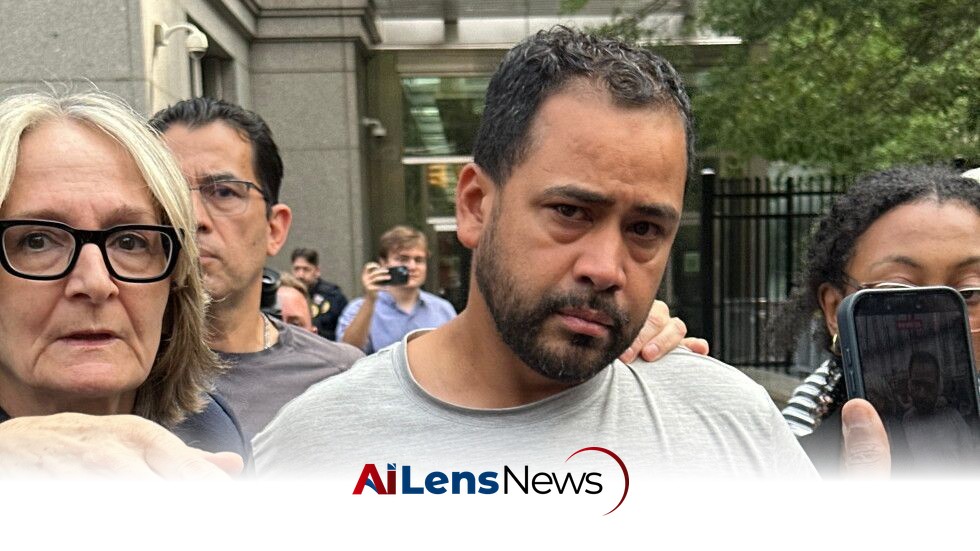


Manuel Hernandez faces charges for the deaths of a mother and her infant daughter following a speedboat capsizing in New York Harbor.
Washington DC, United States Aug 12, 2026 ALN: The driver of a speedboat that capsized in New York Harbor, resulting in the tragic deaths of a 27-year-old woman and her infant daughter, has been charged with causing their deaths through misconduct or neglect.
Forty-six-year-old Manuel Hernandez appeared in Manhattan federal court on Monday, August 10, 2026, where he was visibly emotional as he faced the charges. He was not required to enter a plea during this initial appearance and was released on bail.
The incident occurred over the weekend during a tour near the iconic Statue of Liberty. Witnesses reported that the speedboat suddenly capsized, leading to chaos in the water as passengers struggled to stay afloat. Eyewitness accounts describe a scene of confusion and panic, with some passengers attempting to swim to safety while others were submerged in the water. The rapid capsizing of the boat raised immediate concerns about the safety protocols in place for such tours.
In the aftermath of the incident, emergency responders were dispatched to the scene, where they conducted search and rescue operations. Tragically, the victims, identified as Sara Sanchez and her infant daughter, were pronounced dead at the scene. The loss has left the community in shock, with many expressing their condolences to the family. Local community leaders have called for support for the grieving family, emphasizing the need for compassion and assistance during this difficult time.
Hernandez's attorney, Amy Gallicchio, stated that they will be reviewing the evidence thoroughly. The charges against Hernandez include allegations of negligence that led to the fatal incident. Under maritime law, operators of recreational vessels are required to adhere to strict safety guidelines to ensure the well-being of their passengers. The investigation will focus on whether Hernandez failed to meet these obligations, contributing to the tragic outcome.
The legal implications of this case are significant, as it raises questions about accountability in the boating industry. If found guilty, Hernandez could face severe penalties, including potential prison time and financial restitution to the victims' family. The case is likely to set a precedent for how similar incidents are prosecuted in the future, particularly concerning the responsibilities of boat operators.
The incident has sparked discussions about safety regulations for tour operators in New York Harbor. Many are calling for stricter enforcement of safety measures to prevent such tragedies in the future. Advocacy groups and local residents are urging lawmakers to review existing regulations governing recreational boating, especially in areas frequented by tourists. The need for comprehensive safety training for operators, as well as mandatory safety briefings for passengers, has been highlighted as crucial steps to enhance safety on the water.
In light of this incident, some tour operators have voluntarily paused their services to reassess their safety protocols and ensure that all measures are in place to protect their passengers. This response reflects a growing awareness of the potential dangers associated with recreational boating, particularly in crowded areas where the risk of accidents increases.
As the investigation continues, Hernandez is expected to face further legal proceedings in the coming weeks. The case has garnered significant media attention, highlighting the need for accountability in the boating industry. Public interest in this matter is likely to remain high, as it not only involves a tragic loss of life but also touches on broader issues of public safety and regulatory oversight.
This tragic event serves as a reminder of the importance of safety in recreational activities, particularly in busy tourist areas like New York Harbor. The harbor is a bustling hub for both commercial and recreational boating, attracting millions of visitors each year who seek to enjoy the stunning views of the New York skyline and landmarks such as the Statue of Liberty. However, with such popularity comes the responsibility to ensure that all safety measures are rigorously adhered to.
According to the U.S. Coast Guard, recreational boating accidents can often be attributed to operator inattention, excessive speed, and failure to wear life jackets. These statistics underscore the critical need for both operators and passengers to prioritize safety while enjoying water activities. In recent years, there has been a push for increased education and awareness campaigns aimed at promoting safe boating practices among the general public.
In addition to potential changes in regulations, this incident may also prompt discussions about the psychological impact on survivors and witnesses of such tragedies. The emotional toll of witnessing a fatal accident can be profound, leading to long-lasting effects on mental health. Community support systems and counseling services may be necessary to help those affected process their experiences and grief.
As the legal proceedings unfold, the case will be closely monitored by various stakeholders, including boating safety advocates, legal experts, and the general public. The outcome may influence future policies regarding boating safety and operator accountability, potentially leading to more stringent regulations aimed at protecting passengers in recreational boating settings.
In conclusion, the capsizing incident in New York Harbor has highlighted critical issues surrounding safety, accountability, and the emotional ramifications of such tragedies. As the community mourns the loss of Sara Sanchez and her infant daughter, it is imperative that steps are taken to prevent similar incidents in the future, ensuring that safety remains a top priority for all who venture onto the water.
Moreover, this incident emphasizes the need for enhanced training for boat operators and the importance of adhering to established safety protocols. It also sheds light on the role of regulatory bodies in enforcing compliance among operators in the recreational boating industry. The ongoing discussions surrounding this incident could lead to a reevaluation of existing safety measures, ultimately aiming to ensure that such a tragedy does not occur again.
As investigations proceed, it will be crucial for the community, lawmakers, and industry stakeholders to collaborate on effective solutions that prioritize the safety of all individuals engaging in recreational boating. The implications of this incident extend beyond the immediate tragedy, serving as a catalyst for necessary changes within the boating industry and fostering a culture of safety that protects both operators and passengers alike.
To learn more about the latest developments in Crime & Law, stay updated with our exclusive reports and analyses on AiLensNews.

