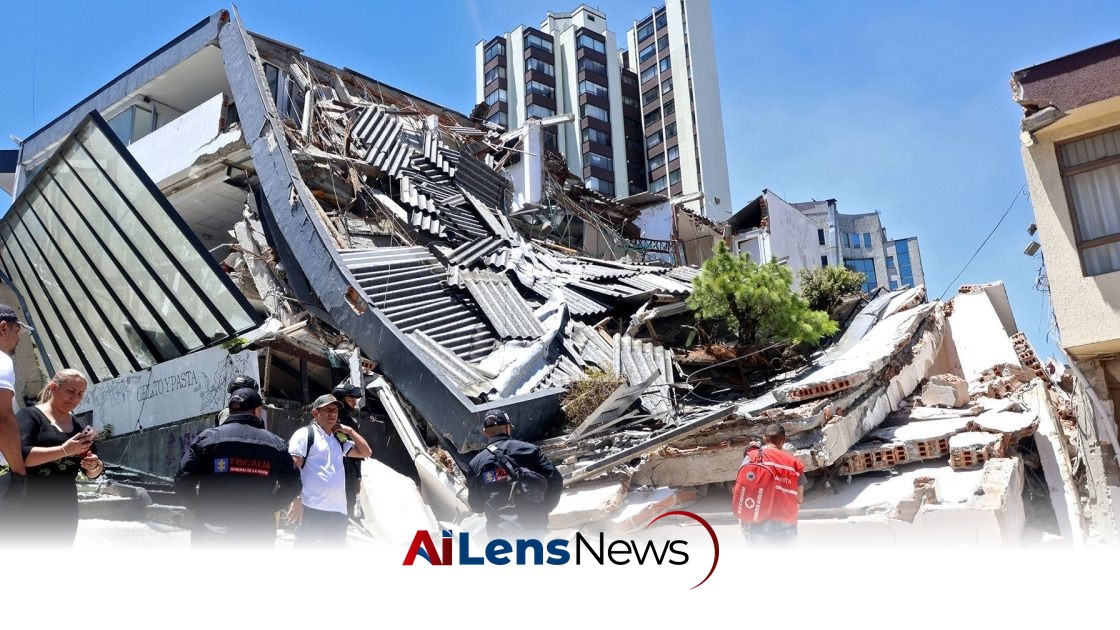


A 7.4-magnitude earthquake has struck Colombia, prompting urgent search and rescue operations as the death toll exceeds 130.
Washington DC, United States Aug 11, 2026 ALN: An urgent search for survivors is underway in Colombia following a powerful 7.4-magnitude earthquake that struck early Monday morning. The quake, which took many by surprise, has resulted in significant destruction and has left a rising death toll of more than 130 individuals. The earthquake's epicenter was located in a region known for its seismic activity, highlighting the ongoing risks faced by communities in Colombia.
The earthquake occurred at approximately 4:30 AM local time, causing widespread panic as buildings across several regions were severely damaged or collapsed entirely. Witnesses reported scenes of chaos, with people rushing to evacuate their homes as tremors shook the ground. The impact of the earthquake has been felt across a wide area, with reports of damage emerging from both urban and rural communities. Many residents were caught off guard, as the early morning timing of the quake meant that many were still asleep when the tremors struck.
In the aftermath of the quake, emergency services have been mobilized to conduct search and rescue operations. Rescuers, including firefighters, police, and military personnel, are working tirelessly to dig through mountains of rubble in hopes of finding survivors trapped beneath collapsed structures. The efforts are being hampered by the scale of the destruction, as many buildings were not designed to withstand such a powerful earthquake. Structural engineers are being called in to assess the safety of remaining buildings, as fears of further collapses loom over rescue efforts.
Hospitals in the affected areas are currently overwhelmed with casualties, with medical personnel working around the clock to treat injuries ranging from minor to life-threatening. Many communities remain isolated due to damaged infrastructure, complicating efforts to deliver aid and medical assistance. Local authorities are coordinating with national agencies to ensure that resources are allocated effectively and that relief efforts reach those in need as quickly as possible. The medical response is further complicated by the ongoing COVID-19 pandemic, which has already strained healthcare systems across the country.
In response to the disaster, the Colombian government has declared a state of emergency. This declaration is intended to facilitate quicker response efforts, allowing for the mobilization of additional support and resources. The state of emergency enables the government to deploy military and police forces to assist in rescue operations and to maintain order in the affected areas, which are experiencing significant distress. This legal framework allows for the swift allocation of funds and resources necessary for immediate relief efforts.
As search and rescue operations continue, many families are still searching for missing loved ones. The emotional toll of the disaster is palpable, with communities coming together to support one another during this challenging time. Local organizations are organizing relief efforts, providing food, water, and shelter to those displaced by the earthquake. The solidarity shown by community members reflects the resilience of the Colombian people in the face of adversity. Community centers are being transformed into temporary shelters, where volunteers are working to provide necessities such as blankets, hygiene products, and counseling services to those affected.
This earthquake is one of the most significant to hit Colombia in recent years, raising questions about the country's preparedness for such natural disasters. Colombia is located in a seismically active region known as the Pacific Ring of Fire, which is prone to earthquakes and volcanic activity. The government has implemented various measures to improve disaster preparedness, including public awareness campaigns and infrastructure improvements. However, this event underscores the need for continued investment in resilient infrastructure and better emergency response systems. Experts in disaster management are likely to analyze this event to determine what lessons can be learned to improve future responses.
Officials are urging residents to remain vigilant and to follow safety protocols in the event of aftershocks, which are common following significant seismic events. The possibility of aftershocks adds an additional layer of concern for those in the affected areas, as many buildings may have sustained damage that could lead to further collapses. Information campaigns are being launched to educate the public on how to respond in the event of aftershocks, emphasizing the importance of safety drills and preparedness plans.
In the days following the earthquake, rescue teams remain hopeful as they sift through the debris, determined to find survivors amid the devastation. The search efforts are not only a race against time but also a testament to the dedication of those involved in the rescue operations. Volunteers and non-governmental organizations are also playing a crucial role in providing support and assistance to those affected by the disaster. International aid organizations are coordinating with local groups to ensure that assistance is culturally appropriate and meets the specific needs of the communities impacted.
As the situation continues to develop, the international community has begun to offer assistance, with several countries expressing their willingness to provide aid and support to Colombia. Humanitarian organizations are also mobilizing resources to assist in the recovery efforts, recognizing the long-term implications of such a disaster on the affected populations. This international support is critical, as it not only provides immediate relief but also helps to bolster the recovery process in the weeks and months to come.
The impact of the earthquake extends beyond immediate casualties and destruction; it will likely have lasting effects on the affected communities, including economic challenges and mental health issues that may arise as individuals cope with the trauma of the event. The recovery process will require significant resources and support from both the government and international partners. Economists are already predicting disruptions in local economies, particularly in sectors such as agriculture and small business, which are vital to the livelihoods of many families in the region.
In conclusion, the 7.4-magnitude earthquake in Colombia has triggered a large-scale response from emergency services and the community, highlighting the urgent need for effective disaster preparedness and resilience in the face of natural disasters. As search and rescue efforts continue, the focus remains on finding survivors and providing aid to those affected, while also addressing the broader implications of the disaster for the future of the region. The resilience of the Colombian people, coupled with both local and international support, will be crucial in navigating the challenges that lie ahead in the recovery process.
To learn more about the latest developments in Health & Public Safety, stay updated with our exclusive reports and analyses on AiLensNews.

