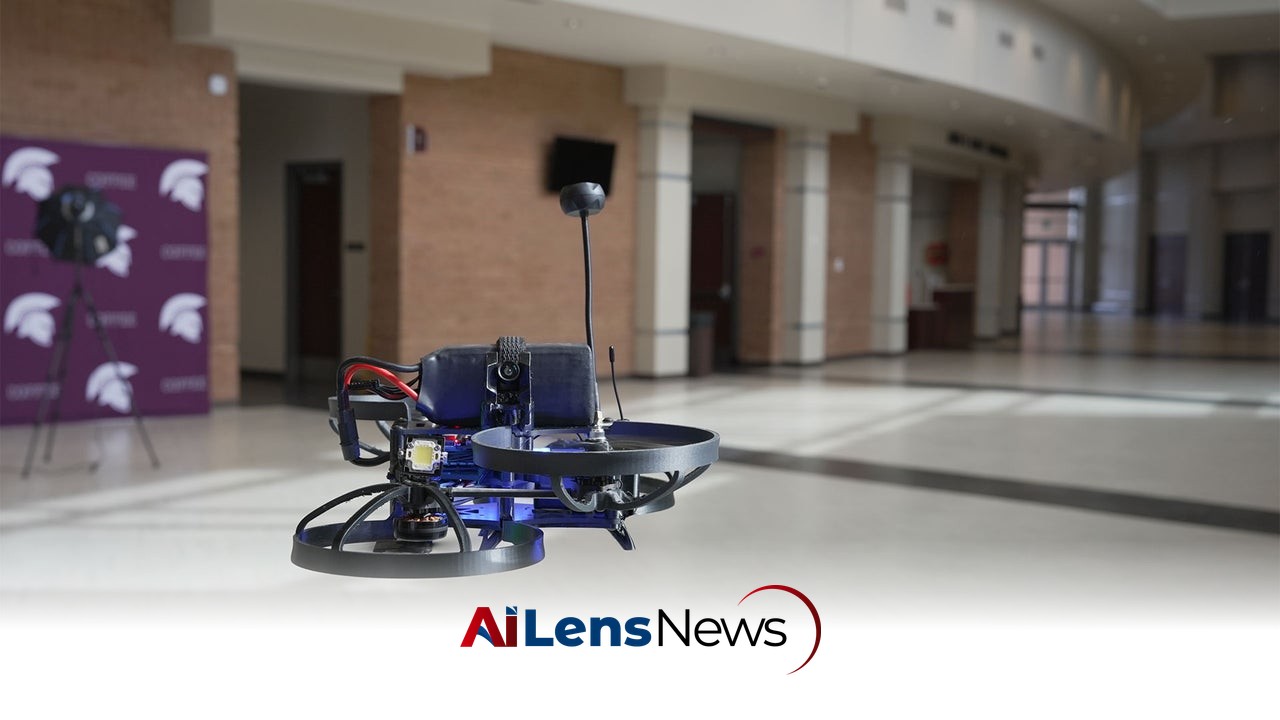


Nine schools in Colorado, Florida, and Georgia will implement drones called Campus Guardian Angel to enhance safety measures against active shooters.
Washington DC, United States Jul 30, 2026 ALN: From special door locks and adaptable classrooms to routine drills, schools across the country continue to adapt to new tools and procedures to protect students from mass shootings. But the latest high-tech tool to combat shooters is moving beyond the hallway floors and into the skies.
At least nine different schools in Colorado, Florida, and Georgia are set to incorporate drones into their school shooting protocols. Developed by Mithril Defense, the special drones are called Campus Guardian Angel, and work alongside law enforcement and the company’s remote pilots based in their Austin office to help locate active shooters. This development marks a significant shift in how educational institutions are approaching safety in an era where the threat of gun violence has become a stark reality.
The Campus Guardian Angel drones can reach speeds of up to 50 miles per hour, allowing them to quickly traverse a campus. In addition to aiding in the location of an active shooter, these drones are equipped with several features designed to mitigate threats. They have capabilities that allow them to spray pepper gel, flash strobe lights, or sound sirens in an effort to slow down a shooter. In extreme situations, the drones can reportedly ram into an active threat at speeds of around 60 miles per hour, as reported by CBS News. This multifaceted approach aims to deter potential shooters and provide law enforcement with crucial information in real-time.
“We think every school should have some kind of active-shooter suppression system, and five years from now, you wouldn’t send your kids to a school that doesn’t have one,” Mithril CEO Justin Marston stated, emphasizing the urgency and necessity of such technology in contemporary educational environments. The introduction of drones into school safety protocols reflects a broader trend in which educational institutions are increasingly investing in technology to enhance security measures.
While school shootings have decreased from a peak of 352 shootings in 2023, the frequency of these tragic events remains alarmingly high, with incidents still occurring in the triple digits. This sustained level of violence has given rise to a lucrative industry focused on school safety products. According to the Learning Policy Institute, schools in the United States spend around $4 billion every year on physical safety measures, including metal detectors, surveillance cameras, and now, drones.
Despite the significant investments in safety technology, there has been a growing chorus of criticism regarding the allocation of school resources. Critics argue that funding should prioritize preventive measures rather than reactive technologies designed to respond to shootings after they occur. Some community members and advocates for gun control have expressed frustration, suggesting that the focus on drones and other security technologies detracts from the more pressing issue of gun control legislation. “Once again. Literally anything but gun control,” a user remarked on social media platform X, highlighting the sentiment that the emphasis on technological solutions may overshadow the need for comprehensive policy reform.
Moreover, the introduction of drones into school environments raises important ethical and privacy considerations. Users on social media have voiced concerns about the potential for these drones to be misused. Popular YouTuber and streamer Tyler Oakley commented, “this will be used against student protesters before it will be used to protect students from school shooters.” Such statements reflect a broader anxiety about the implications of surveillance technology in educational settings, particularly concerning student rights and civil liberties. The potential for drones to monitor student behavior or quell dissent raises questions about the balance between safety and personal freedoms.
The integration of drones into school safety protocols also invites a discussion about the broader societal implications of increased surveillance and militarization in education. As schools adopt more advanced technologies, there is a risk that educational environments may become increasingly reminiscent of militarized zones rather than safe havens for learning. Critics argue that this shift could foster a culture of fear and anxiety among students, rather than one of trust and support.
Furthermore, the reliance on technology for safety can lead to a false sense of security. While drones may enhance response capabilities during an active shooter situation, they cannot replace the need for comprehensive safety measures, including mental health support, conflict resolution programs, and community engagement initiatives. Educators and policymakers must consider a holistic approach to school safety that encompasses not only technological solutions but also preventative strategies aimed at addressing the root causes of violence.
As the conversation around school safety continues to evolve, it is essential for stakeholders—including educators, parents, students, and policymakers—to engage in meaningful dialogue about the best ways to protect students while preserving the integrity of the educational environment. The introduction of drones like the Campus Guardian Angel represents a significant technological advancement in the ongoing effort to safeguard students, but it also serves as a reminder of the complexities and challenges inherent in addressing the issue of gun violence in schools.
In conclusion, the adoption of drones for active shooter protocols marks a notable development in school safety initiatives. While these technologies offer new tools for responding to threats, they also raise important questions about the balance between safety, privacy, and the broader implications of surveillance in educational settings. As schools navigate this complex landscape, it is crucial to prioritize not only immediate safety measures but also long-term strategies aimed at preventing violence and fostering a supportive learning environment for all students.
To learn more about the latest developments in Crime & Law, stay updated with our exclusive reports and analyses on AiLensNews.

