

More
Checking your session
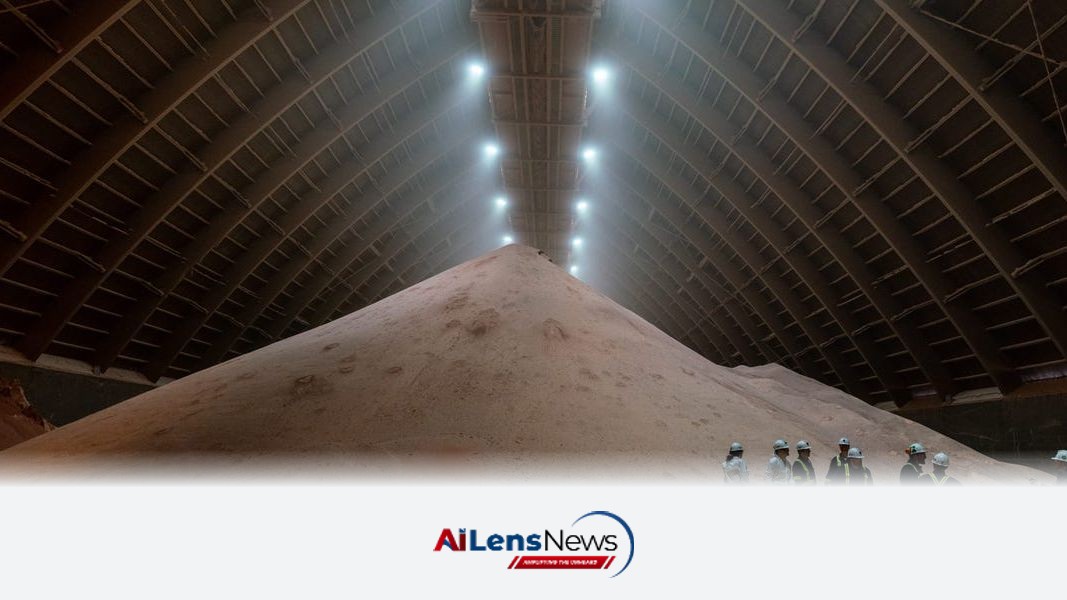



As Canada escalates its trade response against the US, Saskatchewan's premier cautions that leveraging oil and potash could harm Canada’s economy.
Washington DC, United States Aug 27, 2026 ALN: As the trade tensions between Canada and the United States escalate, Saskatchewan Premier Scott Moe has made a significant statement regarding the use of key Canadian exports in the ongoing trade dispute. The backdrop of this warning is a rapidly changing trade environment, heavily influenced by the policies of former President Donald Trump, which have included aggressive tariffs and trade negotiations that have often left Canada in a precarious position.
Canada's economy is intricately linked to that of the United States, with approximately $870 billion in goods and services exchanged between the two nations in 2025. This relationship underscores the importance of maintaining a stable trading environment, particularly for key exports like oil and potash. Potash, a crucial ingredient in fertilizers, is essential not only for Canada's agricultural sector but also for global food production, making it a vital resource in international trade.
Premier Moe's assertion that Saskatchewan will not support any export tariffs on its natural resources reflects a broader concern among Canadian leaders about the potential implications of such trade measures. His comments came during a press briefing amidst rising tensions following the breakdown of trade negotiations, which resulted in new tariffs imposed by the US on Canadian imports. These tariffs, which have been described as punitive, have raised alarms among Canadian officials who fear that they could lead to significant economic repercussions.
Specifically, the US has enacted a 50% tariff on approximately $20 billion worth of Canadian imports, which has prompted Canada to plan its own retaliatory measures. The Canadian government has announced that it will implement dollar-for-dollar countermeasures starting September 8, including tariffs on $27.6 billion Canadian dollars (about $20 billion) worth of US imports, targeting sectors like steel, dairy, and electronics. This tit-for-tat approach reflects a strategy aimed at exerting pressure on the US while attempting to protect Canadian industries.
Moe has expressed support for these targeted countermeasures, emphasizing the importance of minimizing their impact on Canadian industries and families. However, he cautioned that imposing tariffs on potash exports could have unintended consequences. Given that Canada is the world's largest potash exporter, accounting for around 40% of global exports in 2024, any disruption in this trade could lead to job losses in Canada and drive US buyers to seek alternative suppliers. This scenario could further complicate Canada's economic landscape, particularly in the agricultural sector, which relies heavily on potash for fertilizer production.
Oil is another critical export for Saskatchewan, and Moe's stance against potential export tariffs on oil highlights the importance of this resource to the Canadian economy. He characterized the imposition of such tariffs as an "unsustainable hit" to Canada's economic stability. The US has exempted energy and potash from its latest round of tariffs, but the uncertainty surrounding future trade negotiations has left many Canadian leaders on alert.
In light of these developments, Moe has called for caution regarding retaliatory measures that may seem appealing in the short term but could ultimately harm Canada's long-term interests. His advocacy for strategies that encourage the US to return to the negotiating table underscores a desire for resolution rather than escalation. This approach suggests a preference for diplomatic engagement over economic confrontation, as leaders on both sides of the border grapple with the implications of their trade policies.
In a separate move to respond to the US tariffs, Saskatchewan plans to impose a 50% levy on American alcohol starting September 8, while still allowing the sale of US products. This measure reflects a strategic choice to target a specific sector while maintaining a broader trading relationship. It illustrates the complexities of trade negotiations, where leaders must balance domestic economic interests with the need to respond to international pressures.
The ongoing trade dispute serves as a reminder of the interconnectedness of the Canadian and American economies. As both nations navigate these turbulent waters, the importance of dialogue and negotiation cannot be overstated. The implications of these trade tensions extend beyond immediate economic impacts; they also influence political relationships and public sentiment on both sides of the border. As Saskatchewan and other provinces consider their positions in this trade war, the focus remains on protecting key industries while seeking a resolution that benefits both nations.
In conclusion, Saskatchewan Premier Scott Moe's warnings against the use of oil and potash as leverage in the trade dispute with the US highlight the delicate balance that Canadian leaders must strike in navigating their economic relationships. The potential consequences of retaliatory tariffs on these critical exports could reverberate throughout Canada's economy, making it essential for leaders to pursue strategies that prioritize long-term stability and cooperation.
To learn more about the latest developments in Economy, stay updated with our exclusive reports and analyses on AILensNews.

The Ministry of Foreign Affairs in Qatar clarifies that proposed budget reductio…
A recent Stanford study indicates a significant decline in entry-level employmen…

Tata Power plans to appeal a $490.32 million arbitration award after a Singapore…

The UK faces a growing backlog of speculative data center projects hindering ene…

The Central Bank of Kuwait mandates stricter identification and reporting of ben…