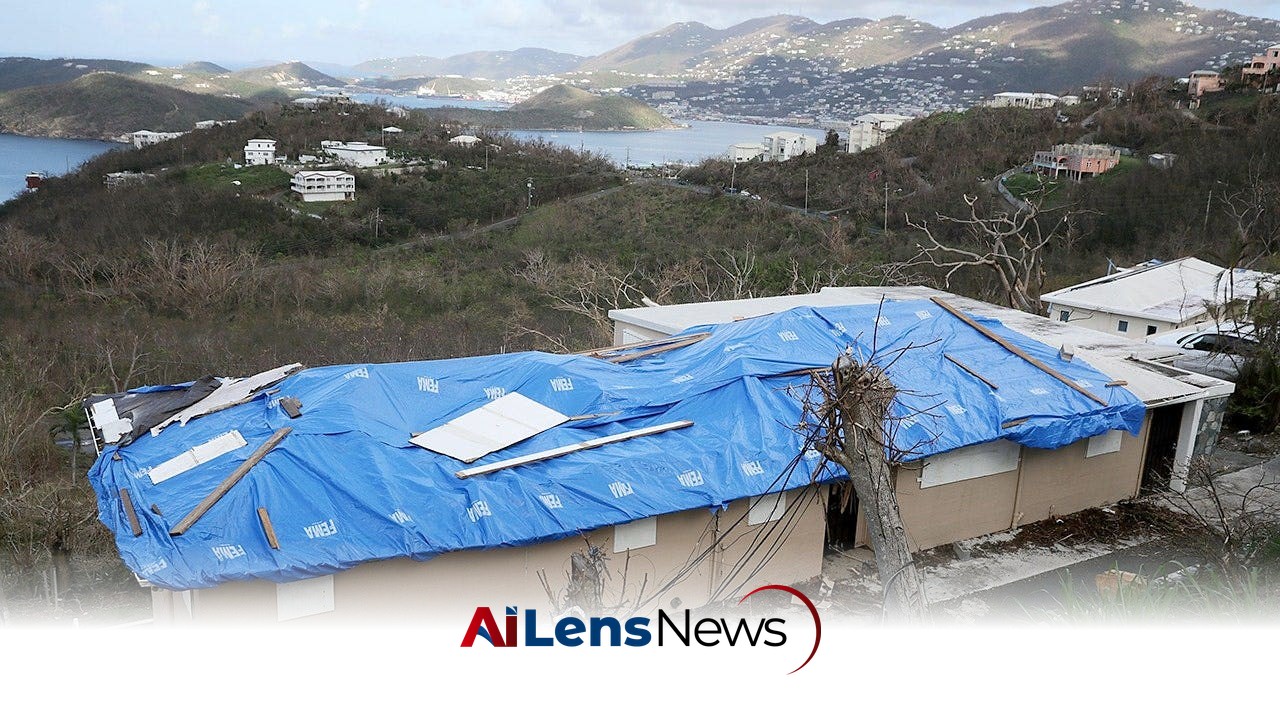


Jasmine Williams defrauded FEMA of $1.7 million intended for Hurricane Ida victims, leading to a five-year prison sentence as part of a broader crackdown on fraud.
Harrisburg, United States Jul 23, 2026 ALN: A Pennsylvania woman who defrauded the federal government out of $1.7 million in Federal Emergency Management Agency (FEMA) funds in the wake of Hurricane Ida was sentenced to five years in prison, the Justice Department said Wednesday, as the Trump administration continues its effort to crack down on fraud.
Jasmine Williams, 34, of Plymouth Meeting, pleaded guilty last year to 32 charges ranging from fraud related to a major disaster declaration to wire fraud and mail fraud. This case highlights the ongoing challenges that federal agencies face in the wake of natural disasters, where the urgency for assistance can sometimes lead to vulnerabilities in the system that fraudsters exploit.
Hurricane Ida, which made landfall in late August 2021, was one of the most devastating storms to hit the northeastern United States in recent history. The hurricane caused widespread destruction, particularly in Louisiana and parts of the northeastern states, resulting in significant flooding and damage to homes and infrastructure. In response to the disaster, then-President Joe Biden issued a disaster declaration in September 2021, enabling FEMA to provide financial assistance to affected individuals and communities.
In the aftermath of such disasters, FEMA plays a crucial role in facilitating recovery efforts by providing financial assistance to those in need. The agency's mission is to help individuals and communities recover from disasters, and this often involves distributing funds quickly to those who have been affected. Unfortunately, the urgency to deliver aid can lead to a surge in fraudulent claims, as seen in Williams' case. Officials stated that Williams solicited participants in her scheme — renters, homeowners, or the homeless — and submitted fraudulent documents to FEMA on behalf of almost 200 others, including fraudulent leases, letters from landlords, utility bills, earning statements, and home repair estimates.
The recruitment of participants through social media platforms is a particularly concerning aspect of this case. Williams advertised her services, claiming she could assist individuals in applying for FEMA benefits, which may have made her appear credible to those who were desperate for help. This exploitation of social media underscores the need for greater vigilance and education among potential victims of fraud, especially in times of crisis. Social media has become a powerful tool for information dissemination, but it can also be a breeding ground for scams and fraudulent activities.
As part of her fraudulent scheme, Williams requested half of the payout for herself, amassing hundreds of thousands of dollars. This practice not only defrauded the federal government but also took advantage of vulnerable individuals who were seeking legitimate assistance. When one person involved in the scheme didn’t pay her, Williams retaliated by posting that person's personal information on social media, which raises serious concerns about privacy and the ethical implications of her actions. Such behavior not only showcases a blatant disregard for ethical standards but also highlights the potential for harm that can arise from fraudulent activities.
Williams also posted a video criticizing the individual for not paying the 50% she charged, further demonstrating her willingness to intimidate and manipulate those around her. This behavior illustrates the lengths to which some individuals will go to maintain control over their fraudulent operations and highlights the potential for social media to be used as a tool for coercion. The use of intimidation tactics is particularly alarming, as it can deter victims from reporting fraudulent activities due to fear of retaliation.
Additionally, Williams solicited images of damaged homes to submit in support of her fraudulent applications, which demonstrates how fraud can be perpetuated through the use of fabricated evidence. This aspect of the case is particularly troubling, as it undermines the integrity of the assistance programs designed to help those in genuine need. The submission of false evidence not only complicates the verification process for agencies like FEMA but also prolongs the recovery for those who are truly affected by disasters.
In fiscal year 2025, FEMA identified more than 1,700 fraud cases, highlighting the scale of the issue and the ongoing efforts required to combat fraud in disaster assistance programs. The prevalence of fraud in disaster relief underscores the necessity for robust verification processes and the implementation of stricter controls to prevent fraudulent claims from being approved in the first place. This situation calls for a comprehensive review of existing policies and practices, as well as the development of new strategies to detect and prevent fraud effectively.
Williams' sentence came as the Trump administration has prioritized combating fraud and waste. The Justice Department and FEMA have been actively working to identify and prosecute individuals who exploit disaster relief programs for personal gain. This commitment to accountability is essential not only for protecting taxpayer dollars but also for ensuring that assistance reaches those who truly need it. The government’s efforts to address fraud in disaster relief are part of a broader initiative to enhance the integrity of federal programs and safeguard public resources.
The implications of this case extend beyond Williams herself; they reflect broader societal issues related to disaster response, the ethical responsibilities of individuals in times of crisis, and the importance of maintaining the integrity of government programs designed to assist vulnerable populations. As natural disasters become increasingly frequent and severe due to climate change, the need for effective and secure disaster relief mechanisms is more critical than ever. The increasing frequency of such events necessitates a proactive approach to disaster management, including the development of preventive measures against fraud.
Furthermore, this case serves as a reminder for individuals seeking assistance during emergencies to remain vigilant and informed about potential scams. It is crucial for communities to educate themselves on the proper channels for receiving aid and to report any suspicious activity to authorities. By fostering a culture of awareness and accountability, communities can better protect themselves against fraud and ensure that disaster assistance programs serve their intended purpose. Community outreach and education about disaster relief processes can empower individuals to recognize and avoid fraudulent schemes.
As the legal proceedings conclude for Williams, the focus will now shift to the implications of her actions on the broader landscape of disaster relief. The case may prompt a reevaluation of current practices within FEMA and other agencies to strengthen safeguards against fraud and ensure that disaster relief efforts are both effective and equitable. Moving forward, it will be essential for federal agencies to enhance their fraud detection capabilities, improve public awareness about the risks of fraud, and ensure that the assistance provided reaches those who genuinely need it. This case underscores the importance of continuous improvement in disaster response mechanisms, especially as communities face increasing challenges from natural disasters.
To learn more about the latest developments in Crime & Law, stay updated with our exclusive reports and analyses on AiLensNews.

