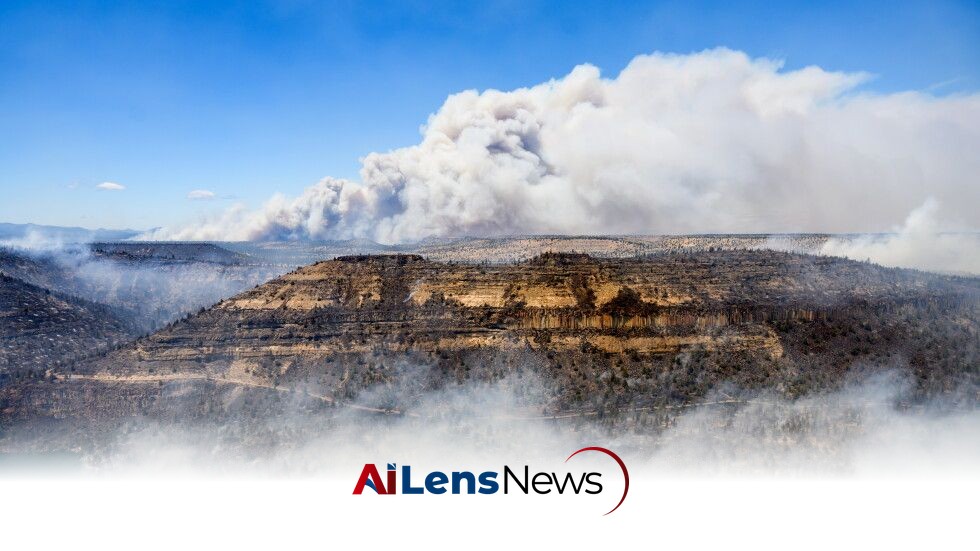


A significant wildfire near Sisters, Oregon, is exacerbated by dry, windy conditions, prompting officials to remain vigilant as they monitor the situation.
Salem, United States Jul 26, 2026 ALN: Dry and windy weather conditions are intensifying a major wildfire just a few miles north of Sisters, Oregon. Fire officials have expressed cautious optimism that the flames will not threaten the city, but they are closely monitoring the situation as winds are expected to die down by Sunday. The ongoing situation underscores the vulnerability of many communities in the region to wildfires, particularly during the summer months when conditions are most conducive to rapid fire spread.
The Bench and Beachcomb fires have been burning since late July, with firefighters working tirelessly to contain the blazes. As of now, the fires have consumed substantial areas of land, leading to evacuations and road closures in the vicinity. The scale of these wildfires has raised concerns not only for the immediate safety of residents but also for the long-term environmental impact on the region. Forests and wildlife habitats are at risk, and the smoke from the fires can affect air quality over a wide area, posing health risks to those with respiratory issues.
Local authorities have enacted evacuation orders for certain areas near the fires, prioritizing the safety of residents. Emergency services have been deployed to assist with evacuations, and the community is bracing for the potential of more widespread evacuations should the fires continue to spread. This proactive approach aims to minimize risk to human life and property, although it has left many residents anxious about the fate of their homes and livelihoods.
Tragically, the firefighting community is mourning the loss of a fourth firefighter who died while battling blazes in Colorado just weeks prior. This loss has cast a shadow over the ongoing efforts in Oregon, highlighting the dangers faced by those on the front lines. Firefighting is an inherently risky profession, and the loss of lives underscores the physical and emotional toll that such disasters can take on those who bravely confront them.
The deaths of these firefighters serve as a grim reminder of the sacrifices made by emergency responders. Their families, colleagues, and communities are left to navigate the grief and the harsh realities of the risks involved in firefighting. The emotional impact on the firefighting community is profound, as they must continue their work while grappling with the loss of their peers. The camaraderie among firefighters often transcends professional boundaries, creating a deep bond that is tested in times of tragedy.
Officials attribute the rapid spread of the fire to the dry and windy conditions prevalent in the region. The National Weather Service has issued warnings, advising residents to remain alert and prepared for potential evacuations. These weather conditions are not unusual for the area during this time of year, but they have been exacerbated by ongoing drought conditions that have left vegetation dry and more susceptible to ignition. The interplay of wind and dry vegetation creates a dangerous combination that can lead to fast-moving wildfires.
Climate change has played a significant role in altering weather patterns, contributing to increased frequency and intensity of wildfires across the western United States. As temperatures rise and precipitation patterns shift, regions like Oregon may face more extreme fire seasons in the future. This evolving landscape necessitates a reevaluation of fire management strategies and preparedness efforts at both local and state levels. The increasing unpredictability of weather patterns due to climate change also complicates forecasting and response strategies.
As the situation develops, officials are urging residents to stay informed through local news channels and official announcements. The community's resilience and support for each other will be crucial in the days ahead as they navigate this challenging time. Preparedness is key, and residents are encouraged to have emergency plans in place, including evacuation routes and communication strategies to stay in touch with loved ones. The importance of community preparedness cannot be overstated, as it can significantly reduce panic and confusion during emergencies.
In the face of adversity, the spirit of the community remains strong, as they come together to support one another and honor the sacrifices of those who serve to protect them. The solidarity demonstrated by community members during this crisis reflects the deep connections that exist among residents in the region. As they face the uncertainty of wildfires and their aftermath, the collective strength of the community will play a vital role in recovery and rebuilding efforts.
In conclusion, as the Bench and Beachcomb fires continue to pose a threat, the implications extend beyond immediate fire containment. The emotional toll on firefighters, the environmental impact, and the community's response all intertwine to shape the narrative of this ongoing crisis. The lessons learned from this experience will likely influence future fire management policies and community preparedness strategies, as Oregon and other wildfire-prone regions grapple with the changing realities of climate and fire risk. The ongoing dialogue about wildfire management will need to incorporate not just immediate response strategies, but also long-term planning and community resilience building to ensure that residents are better equipped to handle future fire seasons.
To learn more about the latest developments in Crime & Law, stay updated with our exclusive reports and analyses on AiLensNews.

