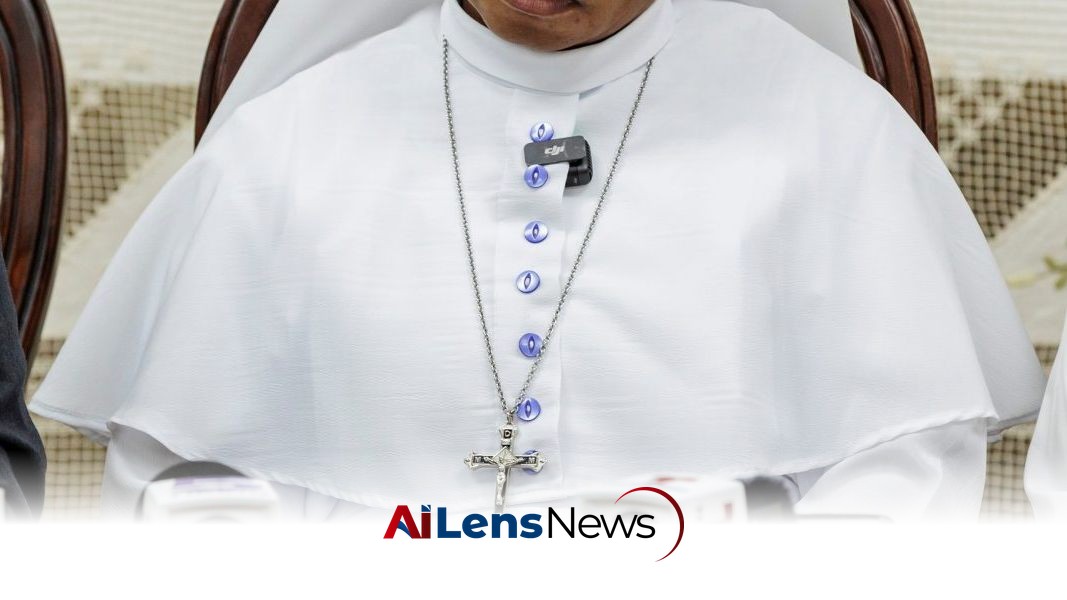


Sister Leticia Ugboaja shares her emotional experience after being detained by ICE while heading to Mass, highlighting the plight of others in similar situations.
Washington DC, United States Jul 25, 2026 ALN: The recent detention of Sister Leticia Ugboaja, a nun and nurse, by U.S. Immigration and Customs Enforcement (ICE) has sparked significant concern and discussion regarding immigration policies and their impact on vulnerable individuals. Sister Ugboaja, who was detained while walking to Sunday Mass in McAllen, Texas, shared her harrowing experience during a news conference, revealing the emotional toll that her brief detention had on her spiritual life and her sense of safety.
At the heart of Sister Ugboaja's story is her long-standing immigration status. Originally from Nigeria, she has been granted protection from removal due to the credible fear of torture should she return to her home country. This protection is a crucial aspect of U.S. immigration law, which aims to safeguard individuals who may face severe harm if deported. Despite this legal protection, Sister Ugboaja's recent detention raises questions about the enforcement practices of ICE and the broader implications for others in similar situations.
During her news conference, Sister Ugboaja described the moment of her detention as bewildering and frightening. She was approached by armed officers while she was in her religious habit, preparing for worship. She recounted feeling a cold sweat and not understanding why she was being detained, particularly as she was simply going about her daily life, contemplating the day's Bible readings and carrying only her rosary and cellphone. The juxtaposition of her peaceful intentions and the sudden aggression of her detainers underscores the unpredictable nature of immigration enforcement under the current administration.
Her attorney, Carlos M. Garcia, provided context to her legal situation, noting that Sister Ugboaja had complied with all immigration requirements and had been granted permission to work in the U.S. as a registered nurse. This compliance is significant, as it highlights the challenges faced by individuals who are navigating the complex immigration system. The detention of someone who has adhered to the rules raises concerns about the fairness and transparency of immigration enforcement practices.
Sister Ugboaja's case is not isolated; it reflects a broader trend of aggressive immigration enforcement in the United States, particularly during the Trump administration. The administration's focus on mass deportations and stringent immigration policies has led to increased scrutiny and criticism from human rights advocates and legal experts. Critics argue that such policies disproportionately affect vulnerable populations, including those who have been granted some form of protection under U.S. law.
In Sister Ugboaja's case, her detention was part of a larger strategy involving third-country removals, a policy that has faced significant backlash. This policy allows the U.S. to deport individuals seeking asylum to a third country, where they can pursue their claims. However, many argue that this practice undermines the right to asylum and exposes individuals to further risks. The Department of Homeland Security (DHS) has defended the policy as a necessary measure to address backlogs in immigration courts, but the ethical implications remain contentious.
Following her detention, Sister Ugboaja was released after several hours, thanks in part to public outcry and intervention from congressional members. The rapid response from her community and lawmakers illustrates the power of public advocacy in immigration cases. It also highlights the importance of community support for individuals facing similar challenges. Sister Ugboaja expressed gratitude for those who rallied to her aid, but she emphasized that her experience is emblematic of a larger issue affecting many individuals who live in fear of detention and deportation.
During her address, Sister Ugboaja made a poignant plea for compassion and understanding for others in her situation. "There are many others in this same situation, people who have been given some form of protection under our laws, who have followed every rule asked of them, and who still live with uncertainty," she stated. This sentiment resonates with many immigrants who navigate a system fraught with complexities and the ever-present fear of abrupt changes in their status.
Moreover, the emotional impact of her detention was profound. Sister Ugboaja shared that her inability to attend Mass and receive Holy Communion was particularly distressing for her as a nun. The act of worship is not only a spiritual necessity but also a source of community and support for many religious individuals. Her experience underscores the potential psychological and emotional toll that immigration enforcement can have on individuals, particularly those who are deeply rooted in their faith and community.
As Sister Ugboaja prepares for her upcoming check-in appointment with ICE, the uncertainty of her future looms large. Her case serves as a reminder of the complexities of immigration law and the human stories behind the statistics. It highlights the need for continued dialogue and reform in immigration policy, focusing on humane treatment and respect for individuals' rights.
In conclusion, Sister Leticia Ugboaja's detention and subsequent release shine a light on the often-overlooked struggles faced by immigrants in the United States. Her story is a call to action for advocates, lawmakers, and communities to work together to ensure that individuals who seek refuge and protection are treated with dignity and respect. As the conversation around immigration continues to evolve, it is essential to remember the human element at the center of these policies and the profound impact they have on individuals and families across the nation.
The implications of Sister Ugboaja's experience extend beyond her personal narrative. It raises critical questions about the effectiveness and humanity of current immigration policies. The enforcement actions taken by ICE have been subject to scrutiny for their potential to create a climate of fear among immigrant communities. Reports have indicated that many individuals, even those with legal protections, are hesitant to engage with law enforcement or seek assistance due to fears of deportation. This chilling effect can have broader societal implications, including reduced access to healthcare, education, and legal support for vulnerable populations.
The broader context of Sister Ugboaja's case is situated within a national dialogue surrounding immigration reform. Advocates for immigrant rights argue for a more compassionate approach to immigration enforcement, one that recognizes the humanity of individuals and their unique circumstances. The need for reform is underscored by stories like Sister Ugboaja's, which exemplify the gaps and inconsistencies within the immigration system. As lawmakers consider changes to immigration policy, the experiences of individuals like Sister Ugboaja should inform their decisions, ensuring that protections for vulnerable populations are upheld and strengthened.
Furthermore, Sister Ugboaja's case highlights the importance of allyship and community support in the fight for immigrant rights. The swift response from her community and allies serves as a reminder of the power of collective action. Grassroots movements and advocacy organizations play a crucial role in raising awareness about the challenges faced by immigrants and pushing for systemic change. The solidarity demonstrated in Sister Ugboaja's case can inspire similar efforts across the country, encouraging communities to stand in support of those facing unjust treatment.
Finally, as Sister Ugboaja reflects on her experience, it is clear that her story is not just about her personal ordeal but is emblematic of the larger struggle for justice and dignity faced by countless immigrants in the United States. Each story adds to the tapestry of the immigrant experience, reminding us of the resilience and courage of individuals who seek a better life. As the nation grapples with immigration policy, it is imperative to center the voices of those directly affected, ensuring that their experiences guide the path forward toward a more just and equitable society.
To learn more about the latest developments in Crime & Law, stay updated with our exclusive reports and analyses on AiLensNews.

