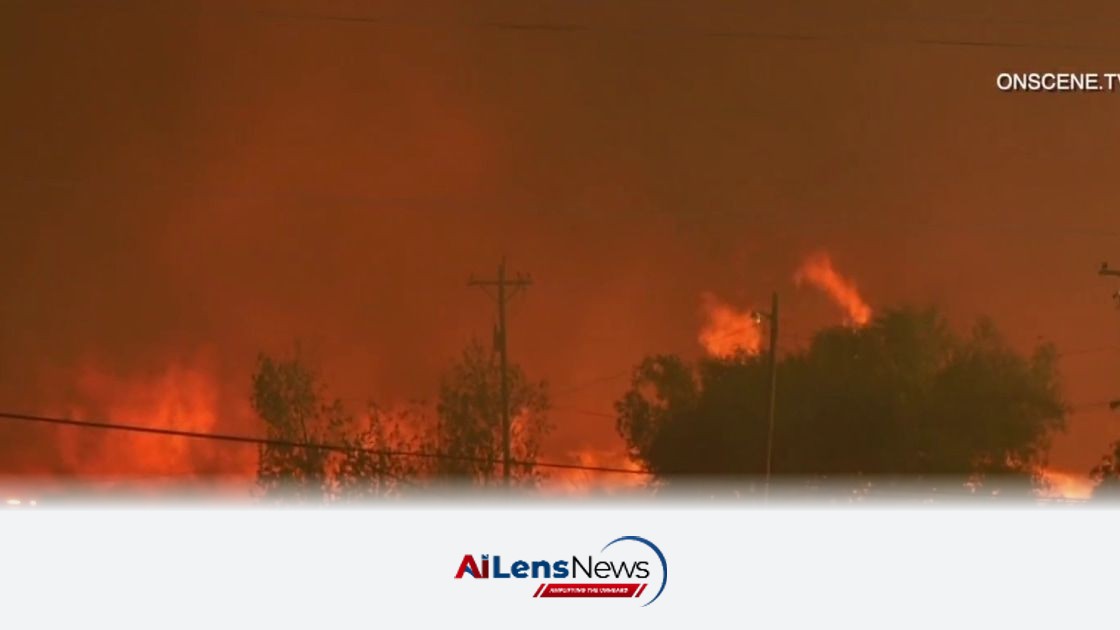



A rapidly spreading wildfire near Reno has scorched over 15,000 acres, leading to mass evacuations of tens of thousands of residents.
Carson City, United States Aug 24, 2026 ALN: A fast-moving wildfire has erupted outside Reno, Nevada, leading to significant destruction and prompting mass evacuations. The fire has scorched over 15,000 acres, threatening homes and communities in the region. This incident is part of a larger trend of increasing wildfire activity across the western United States, driven by factors such as climate change, prolonged droughts, and shifting land management practices.
Authorities have ordered tens of thousands of residents to evacuate as the flames continue to spread rapidly. Firefighters are working tirelessly to contain the blaze, but strong winds and dry conditions are complicating their efforts. The current weather patterns, characterized by low humidity and high temperatures, create an environment conducive to fire spread, making it difficult for firefighting teams to establish control over the situation.
The wildfire's rapid advancement has raised alarms among local officials, who are urging residents to heed evacuation orders. Many families have been forced to leave their homes with little notice, taking only essential belongings as they flee the encroaching flames. The emotional toll on these families is significant, as they face the uncertainty of losing their homes and possessions.
Emergency shelters have been set up to accommodate those displaced by the fire, providing a safe haven for families and individuals affected by this disaster. Local organizations are mobilizing to provide food, water, and other necessities to evacuees. The response from local charities and community groups showcases the resilience and solidarity of the Reno community during this crisis. Many residents have opened their homes to neighbors in need, while others have donated supplies and funds to assist those affected by the fire.
Firefighters are utilizing all available resources to combat the wildfire. Air support, including helicopters and air tankers, has been deployed to drop water and fire retardant on the flames. Ground crews are working to establish containment lines, but the unpredictable nature of the fire poses a significant challenge. Firefighters often have to adapt their strategies based on changing weather patterns and the fire's behavior, which can shift rapidly due to wind changes or the availability of fuel.
Officials are monitoring weather conditions closely, as forecasts indicate potential changes that could either aid or hinder firefighting efforts. The community remains on high alert as the situation evolves. Fire management teams are also coordinating with local, state, and federal agencies to ensure a unified response to the crisis. This collaboration is essential in maximizing resources and effectiveness in firefighting operations.
The local community is coming together in response to the crisis. Neighbors are checking on one another, and social media platforms are being used to share information and resources. Many residents are expressing their gratitude for the first responders who are risking their lives to protect the community. The outpouring of support highlights the strength of community ties and the importance of mutual aid in times of crisis.
As the wildfire continues to rage, officials are emphasizing the importance of preparedness and safety. Residents are encouraged to stay informed through official channels and to follow evacuation orders promptly. Preparedness measures include having an emergency kit ready, creating an evacuation plan, and staying updated on fire conditions through local news and emergency services. These proactive steps can significantly enhance safety and minimize loss during such disasters.
In conclusion, the wildfire outside Reno is a stark reminder of the dangers posed by natural disasters. The increasing frequency and intensity of wildfires in recent years can be attributed to a combination of climate change, land use practices, and environmental conditions. As communities face these growing threats, it is crucial for local governments and agencies to invest in fire prevention and mitigation strategies, including controlled burns, forest management, and public education campaigns.
With the community's resilience and the dedication of emergency services, there is hope for recovery and rebuilding once the flames are extinguished. However, the aftermath of such disasters often leaves lasting impacts on individuals and communities, necessitating ongoing support and resources for recovery efforts. As the situation develops, the focus will not only be on extinguishing the fire but also on assisting those affected in rebuilding their lives and homes.
To learn more about the latest developments in Local & Regional, stay updated with our exclusive reports and analyses on AILensNews.

