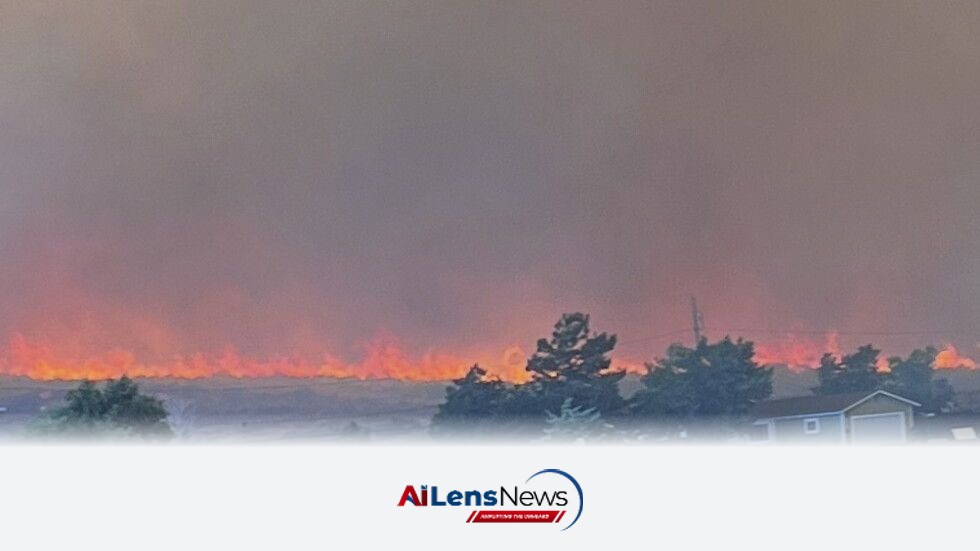



A rapidly spreading wildfire in Reno, Nevada, known as the Hawk Fire, has prompted the evacuation of around 90,000 residents. The fire, which is human-caused, has consumed over 13,000 acres.
Carson City, United States Aug 24, 2026 ALN: A fast-growing wildfire, dubbed the Hawk Fire, has wreaked havoc in Reno, Nevada, forcing the evacuation of approximately 90,000 residents. The fire, which authorities have confirmed is human-caused, began on Saturday and has rapidly expanded, covering over 13,000 acres as of Sunday. This wildfire is part of a larger trend of increasing wildfire incidents across the western United States, which have been exacerbated by climate change, prolonged droughts, and a buildup of dry vegetation.
The wildfire has spread across the Peavine Peak area of the Humboldt-Toiyabe National Forest, reaching a size of 20 square miles (53 square kilometers). Traffic camera footage has shown the fire blazing dangerously close to Highway 395, raising concerns for the safety of motorists and residents alike. The fire's proximity to populated areas has heightened fears of property loss and potential casualties, prompting swift action from local authorities.
The Hawk Fire is particularly concerning due to its rapid growth and the unpredictable nature of its spread. Fire behavior can be influenced by a variety of factors, including wind speed and direction, humidity levels, and the type of vegetation in the area. In this case, the combination of shifting winds and dry conditions has complicated containment efforts, making it challenging for crews to establish control over the fire.
In response to the escalating threat, officials have issued evacuation orders for multiple neighborhoods in northwest Reno. The fire's rapid growth has left authorities scrambling to ensure the safety of residents, with many being urged to leave their homes immediately. Evacuation orders are often accompanied by alerts regarding the potential for fire to spread rapidly, and residents are advised to have an emergency kit ready, including essentials such as medications, important documents, and basic supplies.
The decision to issue evacuation orders is never taken lightly, as it can cause significant disruption to daily life. However, in the face of such a dangerous and unpredictable situation, officials prioritize the safety of residents. The local government has set up designated evacuation routes to facilitate the safe departure of residents from affected areas.
Firefighters are currently battling the blaze, but as of now, it remains uncontained. Local, state, and federal firefighting resources have been mobilized to combat the Hawk Fire. Fire crews are utilizing ground and air resources, including helicopters and air tankers, to drop water and fire retardant on the flames. These aerial efforts are crucial in slowing the fire's spread and protecting structures in its path.
Firefighting efforts are not only focused on containment but also on protecting critical infrastructure, including power lines and water supply systems. The fire's threat to these essential services can have far-reaching implications for the community, potentially leading to extended power outages or disruptions in water supply.
Local shelters have been set up to accommodate evacuees, providing them with necessary resources and support. Community members are coming together to assist those affected, offering shelter and supplies to those who have lost their homes. This spirit of solidarity is vital during such crises, as it helps to alleviate some of the immediate burdens faced by evacuees.
In addition to providing physical support, community organizations are also working to offer emotional support to those impacted by the fire. The psychological toll of natural disasters can be significant, and mental health resources are crucial in helping individuals cope with the stress and uncertainty that often accompany such events.
As the situation develops, residents are advised to stay informed through official channels and heed evacuation orders. The fire's unpredictable nature underscores the importance of preparedness in the face of such natural disasters. Local emergency management agencies emphasize the need for residents to have a fire evacuation plan in place, which includes identifying multiple routes out of the area and ensuring that all family members are aware of the plan.
Authorities continue to monitor the situation closely, and updates will be provided as more information becomes available. The community's resilience and cooperation will be crucial in navigating this challenging time. As the Hawk Fire continues to pose a threat, the focus remains on ensuring the safety of residents and minimizing property damage.
In the broader context of wildfire management, this incident serves as a reminder of the ongoing challenges faced by communities in fire-prone areas. As climate change continues to influence weather patterns and fuel conditions, the frequency and intensity of wildfires are expected to increase. This necessitates a reevaluation of fire management practices and the implementation of strategies aimed at reducing wildfire risks, such as controlled burns and improved land management policies.
In conclusion, the Hawk Fire represents not only an immediate threat to the residents of Reno but also highlights the larger issues surrounding wildfire preparedness and response in the United States. As the firefighting efforts continue, the focus remains on protecting lives and property while fostering community resilience in the face of natural disasters.
To learn more about the latest developments in Local & Regional, stay updated with our exclusive reports and analyses on AILensNews.

