

More
Checking your session
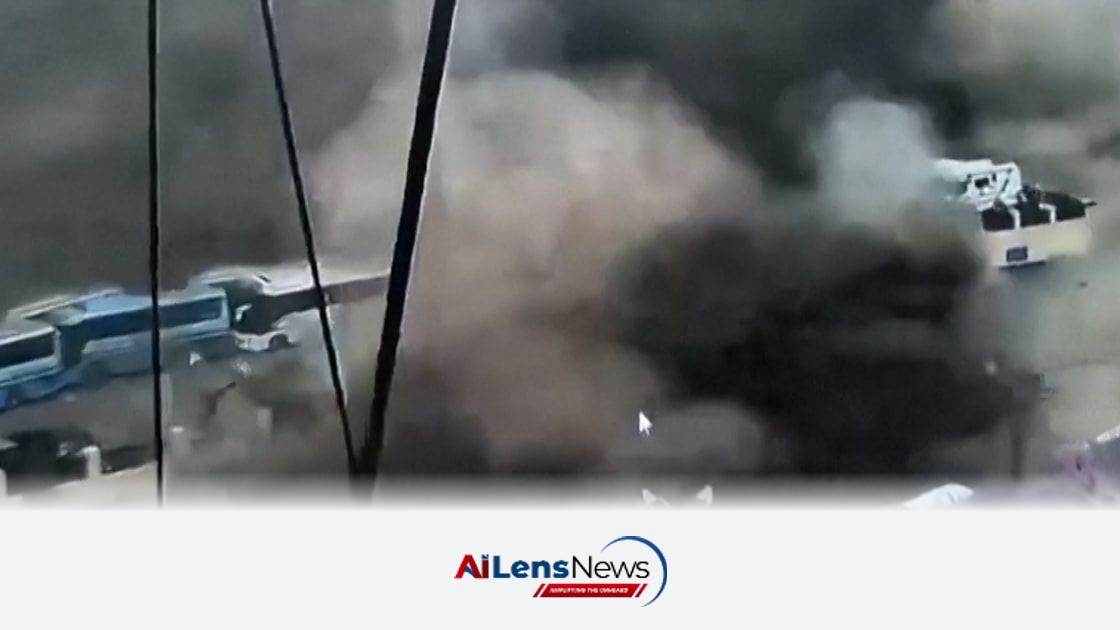



Severe mudslides and flooding along the Himalayan border have resulted in significant casualties and missing tourists, including Americans.
Washington DC, United States Aug 26, 2026 ALN: A devastating wall of mud and rock collapsed into a river along the Himalayan border between Nepal and China's Tibet, leading to catastrophic flooding on the Nepali side. This natural disaster has resulted in the tragic loss of at least 31 lives and left hundreds of tourists unaccounted for, including several Americans. The sudden onset of the flooding caught many residents and visitors off guard, highlighting the unpredictable nature of such disasters in this geologically active region.
The flooding occurred suddenly, overwhelming local infrastructure and causing widespread panic among residents and visitors alike. The torrential rains that preceded the mudslide may have played a significant role in triggering this disaster, as heavy rainfall is known to increase the risk of landslides in mountainous areas. Emergency services have been mobilized to search for the missing and assist those affected by the disaster, but the challenging terrain and adverse weather conditions have complicated these efforts.
The mudslides have not only caused loss of life but have also severely disrupted local communities. Roads have been blocked, and essential services have been hampered, making rescue operations challenging. Many families have been displaced from their homes, and local businesses that rely on tourism are facing significant setbacks. The local government is coordinating with national agencies to provide relief and support to those impacted, but the scale of the disaster has stretched resources thin.
In addition to physical infrastructure, the emotional toll on the community cannot be understated. Families are left in mourning for their loved ones, and many are grappling with the uncertainty of not knowing the whereabouts of missing individuals. Community leaders are calling for support from both national and international organizations to help with recovery efforts and provide mental health resources to those affected.
With hundreds of tourists reported missing, there are growing concerns regarding their safety. Many of these individuals were in the region for trekking and sightseeing, popular activities in the breathtaking Himalayan landscape. The region is known for its stunning views and challenging trails, making it a favored destination for adventure seekers. However, the recent disaster raises significant concerns about the safety protocols in place for tourists, especially during the monsoon season when such events are more likely to occur.
Authorities are urging travelers to stay informed and heed warnings as the situation develops. Travel advisories have been issued, and tourists are encouraged to register with their embassies or consulates to ensure they can be accounted for. The Nepali government has also been working on improving communication and safety measures for tourists in high-risk areas to prevent similar tragedies in the future.
The Nepali government has declared a state of emergency in the affected areas. This declaration allows for the mobilization of additional resources and personnel to assist in rescue and recovery efforts. Rescue teams are working tirelessly to locate missing persons and provide aid to those in need. They are utilizing helicopters to reach remote areas that are otherwise inaccessible due to landslides and debris. The international community has also expressed concern, with offers of assistance coming from various countries, including search and rescue teams and humanitarian aid.
In the wake of this disaster, discussions about the need for better disaster preparedness and response strategies are becoming more prominent. Experts in geology and climate science have long warned that climate change is increasing the frequency and intensity of extreme weather events, which can lead to disasters such as mudslides and flooding. As such, it may be crucial for the Nepali government to invest in infrastructure improvements and community education on disaster preparedness to mitigate the impacts of future events.
This tragic event underscores the vulnerability of mountainous regions to natural disasters. The combination of heavy rainfall, geological instability, and human activity can create a perfect storm for such catastrophes. As rescue efforts continue, the focus remains on supporting affected families and ensuring the safety of tourists in the region. Furthermore, the incident serves as a sobering reminder of the need for comprehensive disaster management strategies that not only address immediate needs but also work towards long-term resilience in the face of climate change and natural hazards.
To learn more about the latest developments in World News & International Affairs, stay updated with our exclusive reports and analyses on AILensNews.