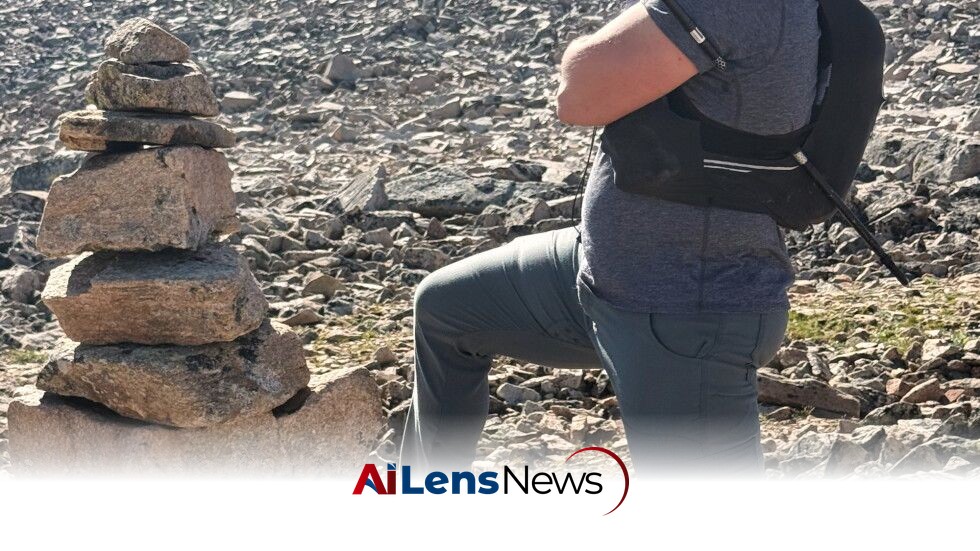


David Cifaldi, while hiking Montana's highest peak, suffered a severe injury when he slipped and impaled himself on his trekking pole. He managed to hike out for help.
Washington DC, United States Jul 31, 2026 ALN: In a harrowing incident on July 20, 2026, David Cifaldi was hiking with two friends on Montana's Froze-to-Death Plateau, the state's highest peak, when a misstep led to a serious injury. As they approached the summit, Cifaldi slipped and fell, impaling himself on his trekking pole. This unfortunate event highlights not only the inherent risks associated with hiking in mountainous regions but also the resilience of the human spirit in the face of life-threatening situations.
Froze-to-Death Plateau, located in the Beartooth Mountains, is known for its breathtaking views and challenging terrain. The plateau is a popular destination for hikers and outdoor enthusiasts, drawing individuals and groups seeking adventure and a connection with nature. However, the very beauty of such landscapes can often conceal dangers, including steep cliffs, loose rocks, and unpredictable weather conditions. Hikers in this area are frequently reminded to exercise caution and to be adequately prepared for the challenges they may face.
The Beartooth Mountains, where Froze-to-Death Plateau is situated, are renowned for their rugged beauty and unique geological features. This range offers a variety of hiking trails that cater to different skill levels, making it a prime location for both novice and experienced hikers. However, the region's elevation and weather patterns can change rapidly, creating hazardous conditions that may catch even seasoned adventurers off guard. As such, hikers are often encouraged to check weather forecasts, carry appropriate gear, and inform someone of their hiking plans before embarking on their journey.
Cifaldi's incident serves as a stark reminder of the dangers that can arise during outdoor adventures, especially in rugged terrain. Trekking poles are commonly used by hikers to provide stability and support, particularly on steep or uneven surfaces. However, as Cifaldi's experience demonstrates, they can also pose a risk if not handled carefully. The accident raises important questions about the use of equipment in hiking and the need for proper training on how to use such tools safely. Many hiking experts advocate for the proper fitting and usage of trekking poles, emphasizing that they should be adjusted to the correct height and used in a way that minimizes the risk of injury.
Despite the severe injury, Cifaldi demonstrated remarkable resilience. After the accident, he managed to hike several miles down the mountain to seek help, showcasing both determination and survival instinct. His companions assisted him as best they could, but ultimately, it was Cifaldi's own strength that led him to safety. Such a feat is not only physically demanding but also psychologically taxing; it requires a strong will to overcome pain and fear in a life-threatening situation. Cifaldi's ability to navigate the challenging terrain after sustaining such an injury speaks volumes about the human capacity for endurance and the instinct to survive.
Upon reaching the trailhead, he was transported to St. Vincent Regional Hospital in Billings, Montana, where he received treatment for his injuries. The medical response to such incidents is crucial, and Cifaldi's timely arrival at the hospital likely played a significant role in his recovery. Emergency medical services in remote areas often face challenges related to accessibility and response time, making it essential for hikers to be aware of their surroundings and to have a plan in case of emergencies. This incident underscores the importance of having a first-aid kit and basic medical knowledge when venturing into remote wilderness areas.
The incident has sparked discussions within the hiking community about safety protocols and the importance of preparedness. Hikers are often reminded to take precautions, including using proper equipment and being aware of their surroundings. Cifaldi's experience underscores the importance of safety measures and preparedness when venturing into the wilderness. This includes not only having the right gear but also being educated about the terrain, weather conditions, and potential hazards. Many hiking organizations and outdoor education programs emphasize the need for pre-hike planning, which involves researching trails, understanding the risks, and knowing how to respond to emergencies.
Moreover, Cifaldi's story will likely resonate with many in the hiking community, inspiring discussions about safety and the unpredictability of nature. The outdoor community often shares stories of close calls and accidents, which serve as cautionary tales for others. These narratives can help foster a culture of safety and awareness among hikers, encouraging them to take their outdoor adventures seriously and to prioritize their well-being. Sharing experiences of accidents can also lead to greater empathy within the community, as fellow hikers recognize the potential dangers they too might face.
In addition to personal stories, organizations dedicated to outdoor safety often provide resources and training for hikers. These resources may include workshops on first aid, navigation skills, and risk assessment. By participating in such programs, hikers can better prepare themselves for the challenges they may encounter on the trails. Many outdoor organizations also advocate for community engagement, encouraging hikers to share their knowledge and experiences with one another, which can further enhance safety and preparedness.
Furthermore, the incident raises broader implications regarding the need for increased awareness of hiking safety, particularly in popular outdoor destinations. Parks and recreational areas may benefit from enhanced signage, educational materials, and access to safety workshops for visitors. By fostering a culture of safety, the outdoor community can work towards reducing the number of accidents and injuries that occur in these beautiful yet perilous environments. This could involve collaborations between park services, local governments, and hiking organizations to create comprehensive safety programs that address the specific challenges faced by hikers in various regions.
As Cifaldi continues his recovery, his story serves as a powerful reminder of the unpredictable nature of outdoor adventures. While hiking can be a rewarding and fulfilling experience, it is essential for individuals to approach it with caution and respect for the environment. The lessons learned from incidents like Cifaldi's can help shape the future of hiking culture, emphasizing the importance of safety, preparedness, and community support. Hikers are encouraged to reflect on their experiences and to consider how they can contribute to a safer hiking environment for themselves and others.
Ultimately, Cifaldi's experience is a testament to human resilience and the spirit of adventure that drives many to explore the great outdoors. It highlights the need for ongoing conversations about safety in hiking and the importance of learning from one another's experiences. As the hiking community reflects on this incident, it may lead to a renewed commitment to safety and a deeper appreciation for the beauty and challenges of nature. By sharing knowledge, supporting one another, and remaining vigilant about safety, the hiking community can continue to thrive while minimizing risks associated with outdoor adventures.
To learn more about the latest developments in Crime & Law, stay updated with our exclusive reports and analyses on AiLensNews.

