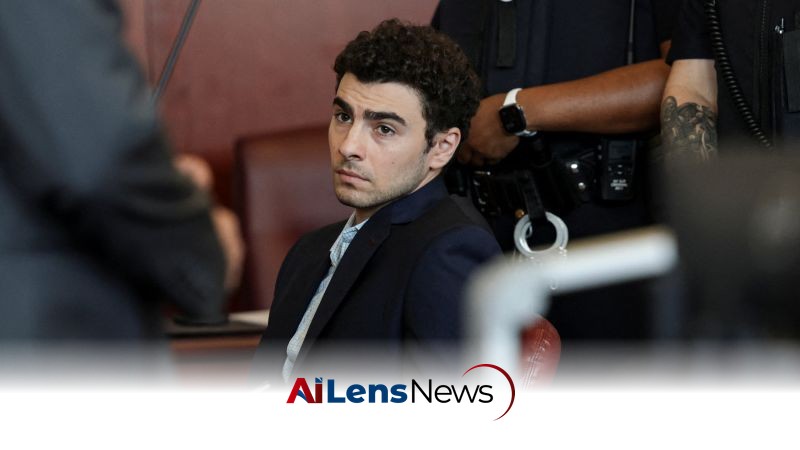


Luigi Mangione has pleaded guilty to federal stalking charges related to the fatal shooting of UnitedHealthcare CEO Brian Thompson, with sentencing set for December 18.
Washington DC, United States Aug 15, 2026 ALN: Mangione pleads guilty: Luigi Mangione has pleaded guilty to federal stalking charges in the killing of UnitedHealthcare CEO Brian Thompson. "I shot Mr. Thompson in Manhattan and he died," he told the court. "I knew what I was doing was illegal." This admission marks a significant moment in a case that has garnered considerable media attention due to the high-profile nature of the victim and the circumstances surrounding the crime.
Background of the case: Brian Thompson, a prominent figure in the healthcare industry, was known for his leadership at UnitedHealthcare, one of the largest health insurance companies in the United States. His role positioned him at the center of various healthcare debates, particularly regarding accessibility and affordability of health services. The shooting incident, which occurred in a public setting, shocked the community and raised concerns about safety in urban environments, especially for executives in high-stakes industries.
State trial: Mangione’s state trial is due to begin next month, but following today’s plea, his lawyers filed a motion to dismiss state murder and weapons charges on double jeopardy grounds. Mangione previously pleaded not guilty in both his federal and state cases. In remarks after the hearing, one of Mangione’s lawyers said prosecutors are trying to "punish him twice." This legal maneuvering has sparked discussions among legal experts about the implications of pursuing both federal and state charges for the same crime.
Legal context: The principle of double jeopardy, which is enshrined in the Fifth Amendment of the U.S. Constitution, protects individuals from being tried twice for the same offense. However, legal experts note that federal and state courts can pursue separate charges for the same act, which complicates Mangione's defense strategy. His legal team is likely to argue that the federal plea should preclude the state from proceeding with its case, a contention that will be examined in upcoming hearings.
Inside the courtroom today: During the hearing, Mangione revealed that he posed as an investor to find out information about the 2024 UnitedHealthcare conference in New York. This detail adds a layer of premeditation to his actions, suggesting that the shooting was not a spontaneous act but rather a calculated move. Thompson’s widow and other family members became visibly emotional in court as Mangione spoke, highlighting the personal toll of the tragedy on those left behind.
Victim impact: The emotional responses from Thompson’s family underscore the profound impact of violent crime on victims' families. The loss of a loved one, particularly in such a violent manner, often leaves lasting scars. Thompson’s family has expressed their grief publicly, and their presence in the courtroom serves as a reminder of the human cost of such actions. They have described the plea as an important step toward justice, indicating their desire for accountability in the wake of their loss.
What happens next: Mangione’s sentencing in the federal case is set for December 18. The outcome of this sentencing will be closely watched, as it could set a precedent for how similar cases are handled in the future. The maximum sentence he faces is life in prison, a reflection of the severity of the crime. Judge Margaret Garnett explained to Mangione that he faces a maximum sentence of life in prison. Mangione’s lawyer confirmed to the judge that there is no plea agreement with the government, which means they have not agreed on a sentencing range. A former U.S. prosecutor told CNN it’s "very likely" the judge will sentence him to life in prison or something close to it.
Next steps in the high-profile case:
Courtroom proceedings unfolded:
This post has been updated with additional information.
To learn more about the latest developments in Crime & Law, stay updated with our exclusive reports and analyses on AiLensNews.

