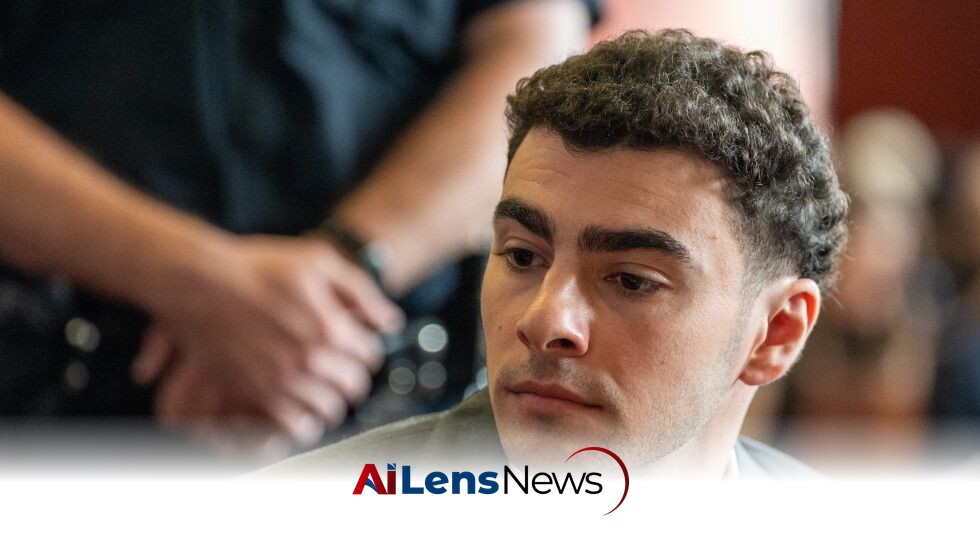


Luigi Mangione has pleaded guilty to federal stalking charges related to the murder of UnitedHealthcare CEO Brian Thompson, detailing his actions leading to the crime.
Washington DC, United States Aug 15, 2026 ALN: Luigi Mangione pleaded guilty on Friday to federal stalking charges in the killing of UnitedHealthcare CEO Brian Thompson. In a court appearance, Mangione admitted to trailing Thompson to an investor conference in 2024, where he ultimately shot and killed him in New York City. This shocking event has not only claimed the life of a key figure in the healthcare sector but has also raised serious concerns regarding the safety of public figures and the effectiveness of current stalking laws.
The case has drawn significant media attention due to the high-profile nature of the victim and the alarming circumstances surrounding the crime. Brian Thompson was a well-respected leader in the healthcare industry, known for his innovative approaches to healthcare management and his commitment to improving patient outcomes. His sudden death has left a void in the industry, and many are mourning the loss of a visionary leader.
According to court documents, Mangione's obsession with Thompson began months before the murder. He reportedly followed the CEO to various public events, including conferences, meetings, and social gatherings, where Thompson was present. This behavior escalated to the point where he confronted Thompson at the investor conference, leading to the fatal encounter. Witnesses reported seeing Mangione lurking near Thompson before the shooting, raising questions about how long the stalking had been going on and whether any preventive measures could have been taken to protect the CEO.
Stalking is often characterized by a pattern of repeated and unwanted attention, harassment, or contact that would cause a reasonable person to feel fear. In this case, Mangione's actions exemplified the extreme lengths to which an individual can go when fixated on another person. The psychological implications of such behavior are profound, not only for the victim but also for the perpetrator, raising questions about mental health support and intervention strategies that could potentially prevent such tragedies.
As part of his plea agreement, Mangione faces a significant prison sentence. The exact length will be determined at a later hearing, but federal guidelines suggest a lengthy term given the severity of the charges. The prosecution has indicated that they will seek the maximum penalty available under the law, which could result in decades behind bars. The legal proceedings have been closely watched, not only for the implications for Mangione but also for the broader message it sends regarding the seriousness of stalking and violent crime.
Legal experts note that the case highlights the challenges faced by law enforcement and the judicial system in addressing stalking incidents. Despite existing laws designed to protect victims, enforcement can be difficult, particularly when the stalking behavior does not escalate to physical violence until it is too late. This case may prompt lawmakers to reevaluate current stalking laws and consider implementing more robust measures to protect individuals from similar threats.
The murder of Brian Thompson has left a profound impact on the UnitedHealthcare community and the broader healthcare industry. Colleagues and industry leaders have expressed their shock and grief over the loss of a prominent figure who was known for his contributions to healthcare innovation and leadership. Thompson's work had a significant influence on healthcare policy and the direction of UnitedHealthcare, and his absence will be felt for years to come.
In the wake of Thompson's death, UnitedHealthcare has been forced to confront not only the loss of its CEO but also the implications of workplace safety and the need for more comprehensive security measures for its executives. The company has indicated that it will review its security protocols to ensure that employees, especially those in leadership positions, are adequately protected from potential threats.
The case has sparked discussions about stalking and its implications, particularly in the context of high-profile individuals. Advocacy groups are calling for stronger protections for victims of stalking and more resources for law enforcement to address such crimes effectively. Many have pointed out that stalking is often underreported and not taken seriously until it escalates to violence, highlighting the need for increased awareness and education on the issue.
Public sentiment has also focused on the mental health aspects of stalking. Mental health professionals emphasize the importance of early intervention and support for individuals exhibiting obsessive behaviors. They argue that addressing the underlying mental health issues could help prevent similar tragedies in the future.
The legal landscape surrounding stalking varies significantly from state to state, with some areas having more stringent laws than others. In many jurisdictions, stalking is defined as a pattern of behavior that causes a reasonable person to fear for their safety. However, the challenge often lies in proving that fear and establishing a pattern of behavior, particularly when the actions may not appear threatening at first glance.
In recent years, there has been a push for more comprehensive stalking legislation, particularly in light of high-profile cases that have ended in violence. Advocates argue that the current laws do not adequately protect victims or provide law enforcement with the tools necessary to intervene before a situation escalates. This case may serve as a catalyst for reform, prompting lawmakers to consider stricter penalties for stalking and more resources for victims.
Luigi Mangione's admission of guilt marks a significant step in the legal proceedings surrounding the tragic death of Brian Thompson. As the case progresses, it continues to raise important questions about safety, mental health, and the responsibilities of individuals in society. The implications of this case extend beyond the courtroom, prompting discussions about how society can better protect individuals from stalking and violence, particularly in the context of high-profile figures.
As communities grapple with the aftermath of such violent acts, it is crucial to foster an environment where victims feel empowered to report stalking and where preventive measures are prioritized. The tragic loss of Brian Thompson serves as a stark reminder of the consequences of unchecked obsession and the need for a collective effort to address the complexities of stalking and violence in society. The hope is that this case will not only seek justice for Thompson but also lead to meaningful changes in how stalking is perceived and addressed within the legal system and society at large.
To learn more about the latest developments in Crime & Law, stay updated with our exclusive reports and analyses on AiLensNews.

