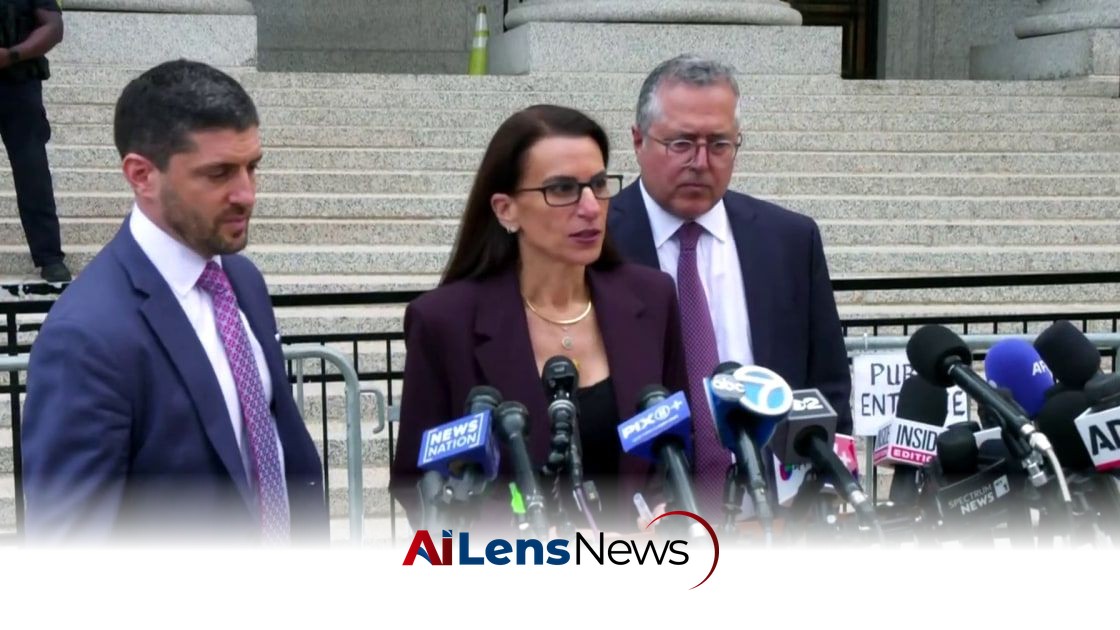


Luigi Mangione pleads guilty to federal charges, accepting responsibility for Brian Thompson's death and seeking to dismiss state charges.
Washington DC, United States Aug 14, 2026 ALN: Luigi Mangione's recent plea of guilty in federal court has become a focal point in a case that not only involves serious criminal charges but also raises important legal questions regarding the intersection of federal and state law. His admission of guilt, particularly concerning the death of Brian Thompson, signifies a critical juncture in the ongoing legal proceedings and could have lasting implications for how similar cases are prosecuted in the future.
The backdrop of this case is steeped in tragedy, as the death of Brian Thompson has stirred public interest and concern. Thompson's death, the circumstances of which remain under scrutiny, has been a catalyst for discussions surrounding accountability and justice within the legal system. The nature of the charges against Mangione, coupled with the emotional weight of the case, has drawn significant media attention and public discourse. The community's response has been one of sorrow and outrage, highlighting the need for justice and a thorough investigation into the events leading up to Thompson's untimely demise.
By pleading guilty, Mangione's defense attorney stated that he "accepts full responsibility" for his actions, a statement that reflects a strategic decision in the face of overwhelming evidence. This plea not only acknowledges his role in the incident but also serves to potentially mitigate the consequences he may face in the future. Legal experts note that such admissions can sometimes lead to more lenient sentencing, as they demonstrate remorse and a willingness to take accountability for one's actions. However, the effectiveness of this strategy can vary significantly depending on the specifics of the case and the judge's perspective on sentencing.
However, the legal landscape is further complicated by Mangione's legal team's decision to file a double jeopardy motion. This motion is particularly significant as it argues that pursuing both federal and state charges for the same offense could violate Mangione's rights under the double jeopardy clause of the Fifth Amendment. This clause protects individuals from being tried twice for the same crime, a principle that is foundational to the American legal system. If the court finds merit in this argument, it could lead to the dismissal of the state charges he faces in New York, fundamentally altering the trajectory of the case.
The implications of this motion are profound, as they could set a precedent for how overlapping jurisdictions handle similar cases in the future. Legal analysts are closely monitoring this situation, as the outcome of Mangione's plea and the double jeopardy motion could influence other cases where defendants are facing both federal and state charges. The legal community is particularly interested in how courts interpret the double jeopardy clause in cases where the federal and state governments pursue parallel prosecutions. The complexities of jurisdictional overlap in the legal system necessitate a careful examination of each case's unique circumstances, and Mangione's case is no exception.
As the case unfolds, it is essential to consider the broader context of dual sovereignty in the United States legal system. The principle of dual sovereignty allows both state and federal governments to prosecute an individual for the same act without violating the double jeopardy clause. This principle has been upheld in various Supreme Court rulings, but the nuances of each case can lead to different interpretations and outcomes. Mangione's case could serve as a litmus test for how courts navigate these complexities, particularly in light of his guilty plea. The potential for conflicting legal interpretations raises questions about fairness and consistency in the application of justice.
Moreover, the media attention surrounding this case has sparked discussions about the public's perception of justice and accountability. As details about Thompson's death continue to emerge, public sentiment may influence the legal proceedings, especially in a case that has garnered significant emotional investment from the community. The relationship between media coverage and legal outcomes is a topic of ongoing debate, with some arguing that extensive publicity can lead to a form of trial by media, potentially impacting a defendant's right to a fair trial. This phenomenon underscores the delicate balance between the public's right to information and the legal system's obligation to ensure a fair and impartial judicial process.
In addition to the legal ramifications, Mangione's plea raises ethical questions about the responsibilities of individuals in positions of power or influence. The circumstances leading to Thompson's death may involve broader societal issues, including discussions about safety, accountability, and the moral obligations of individuals to prevent harm. As the case progresses, these themes will likely be explored not only in legal contexts but also in public forums and community discussions. The ethical implications extend beyond the courtroom, prompting a societal reflection on how individuals and institutions can prevent similar tragedies in the future.
Furthermore, the case highlights the challenges faced by law enforcement and the judicial system in addressing complex issues that intersect with public safety and individual rights. The scrutiny surrounding high-profile cases often brings to light systemic issues within the legal framework, leading to calls for reform and greater accountability. In this context, Mangione's plea and the subsequent legal battles may serve as a catalyst for broader discussions about the effectiveness of current laws and the need for potential changes to ensure justice is served.
In conclusion, Luigi Mangione's guilty plea in federal court represents a significant development in a case that intertwines legal, ethical, and societal issues. His acceptance of responsibility, coupled with the filing of a double jeopardy motion, sets the stage for a complex legal battle that could have far-reaching implications. As the situation develops, the legal community, media, and public will be watching closely to see how this case unfolds and what it may mean for the future of similar legal challenges. The outcome of this case is likely to resonate beyond the immediate parties involved, influencing future legal precedents and public discourse surrounding justice and accountability.
To learn more about the latest developments in Crime & Law, stay updated with our exclusive reports and analyses on AiLensNews.

