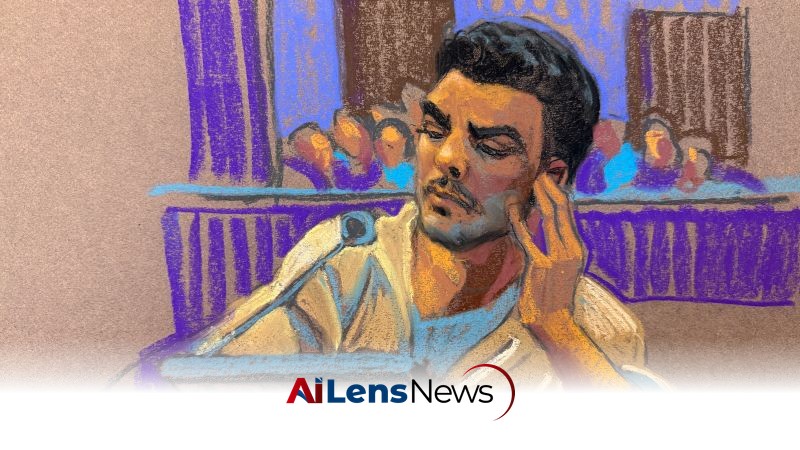


Luigi Mangione's guilty plea in the murder of UnitedHealthcare CEO Brian Thompson raises questions about his upcoming state trial and double jeopardy implications.
Washington DC, United States Aug 16, 2026 ALN: In a significant turn of events, 28-year-old Luigi Mangione pleaded guilty to federal charges related to the killing of UnitedHealthcare CEO Brian Thompson. This plea, made in a federal courtroom, has raised pressing questions about the future of his state murder trial, which is set to commence next month.
During the court proceedings, Mangione calmly admitted, "On the morning of December 4, 2024, I shot Mr. Thompson in Manhattan and he died." His statement was delivered without any visible remorse, even as Thompson's family, including his widow, sat in the front row, visibly affected by the admission. The emotional weight of the moment was palpable, as the courtroom reflected the gravity of the crime and the profound loss suffered by Thompson's family.
This plea marks a pivotal moment in a case that has drawn national attention, highlighting widespread frustrations with the American healthcare system. Mangione has garnered a following of supporters who view him as a folk hero, complicating the public perception of the case. This phenomenon of support for an individual accused of violent crime often arises in cases that tap into broader social grievances, and Mangione's case is no exception. Many of his supporters argue that his actions were a desperate response to perceived injustices within the healthcare system, which has been a source of contention for many Americans who feel that they have been wronged by corporate healthcare practices.
While Mangione's guilty plea resolves his federal trial on two stalking charges, scheduled for January 2027, it casts uncertainty on his state case. His defense team is seeking to dismiss the second-degree murder and weapons charges based on double jeopardy protections, arguing that the federal plea should preclude further prosecution. The double jeopardy clause of the Fifth Amendment protects individuals from being tried twice for the same offense, a principle that is foundational to the American legal system. However, the application of this clause can be complex, particularly in cases involving multiple jurisdictions, such as federal and state courts.
As the Manhattan District Attorney’s Office prepares to contest this motion, a legal confrontation is anticipated that could delay the state trial. The outcome of this case will not only impact Mangione's future but may also resonate within the broader context of legal interpretations surrounding double jeopardy. Legal experts suggest that the determination of whether Mangione can be prosecuted at the state level after his federal plea will hinge on the specific nature of the charges and the legal arguments presented by both sides.
In the coming weeks, the legal landscape will evolve as both sides prepare for a battle over the implications of Mangione's plea. The public and the legal community will be watching closely to see how this high-profile case unfolds. The implications of this case extend beyond Mangione himself; it raises critical questions about the accountability of corporate leaders in the healthcare industry and the lengths to which individuals might go when they feel powerless against systemic issues.
The case has also sparked discussions about mental health, access to care, and the responsibilities of corporations in ensuring that their practices do not lead to harm. As the healthcare system continues to grapple with rising costs and accessibility issues, many advocates argue that there needs to be a greater emphasis on patient rights and corporate accountability.
Moreover, the public's reaction to Mangione's actions reflects a broader societal frustration with the healthcare system, which has been under scrutiny for years due to rising premiums, unexpected medical bills, and the overall complexity of navigating insurance policies. This frustration can lead to a dangerous narrative that justifies violence as a means of protest or expression, complicating the public's understanding of justice and accountability.
As the trial date approaches, it is likely that the media coverage will intensify, drawing in public opinion and potentially influencing the proceedings. High-profile cases often attract a range of perspectives, and Mangione's case is no different. The intersection of crime, mental health, and systemic issues within the healthcare industry will be at the forefront of discussions surrounding this case.
In conclusion, while Mangione's guilty plea resolves certain aspects of his legal battles, it opens the door to a complex array of legal challenges and societal questions that will need to be navigated in the months to come. The implications of this case are likely to be felt far beyond the courtroom, influencing conversations about healthcare, justice, and the societal factors that can lead to extreme actions. As both the defense and prosecution prepare for what lies ahead, the outcome remains uncertain, but the stakes are undeniably high for all involved.
To learn more about the latest developments in Crime & Law, stay updated with our exclusive reports and analyses on AiLensNews.

