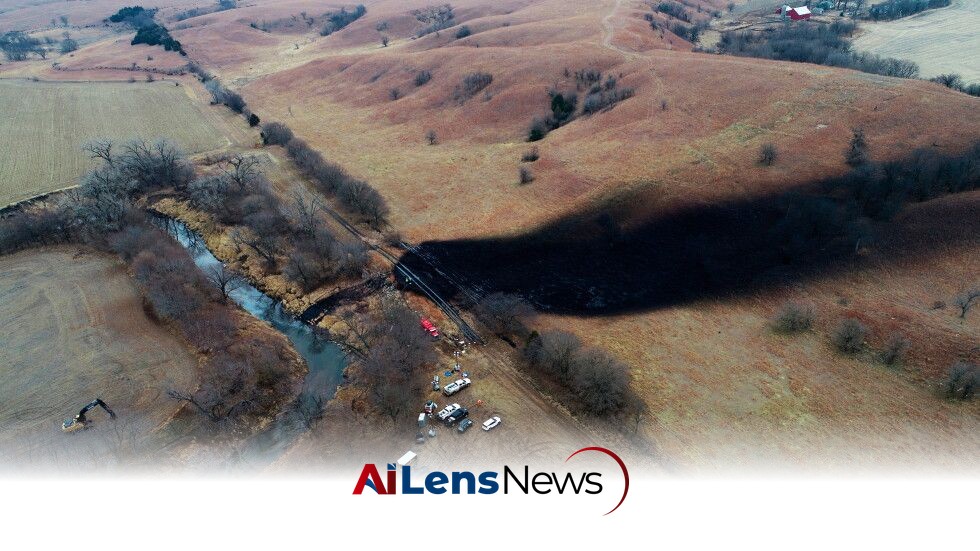


The Keystone Pipeline's operator agrees to a $26.9 million civil penalty and additional costs to prevent future spills following a major incident in Kansas.
Washington DC, United States Jul 13, 2026 ALN: TOPEKA, Kan. — A proposed legal settlement with the U.S. government would require the Keystone Pipeline system’s operator to pay a $26.9 million civil penalty over a major oil spill in Kansas in December 2022 and spend about $40 million more to prevent future accidents. This settlement reflects ongoing concerns regarding the safety and environmental impact of pipeline operations across the United States, particularly in light of the increasing frequency and severity of oil spills.
The agreement aims to resolve allegations from the U.S. Environmental Protection Agency (EPA) and the state of Kansas that South Bow, a company based in Canada, violated U.S. and state clean water laws. The rupture resulted in the release of nearly 13,000 barrels of heavy crude oil into a creek running through a rural pasture in Washington County, Kansas, which is situated approximately 150 miles (241 kilometers) northwest of Kansas City. The implications of such a spill extend beyond immediate environmental damage, affecting local ecosystems, wildlife, and agricultural practices.
This incident marked the largest onshore crude pipeline spill in the U.S. in nine years and surpassed all 22 previous spills on the same pipeline system combined, according to a 2021 report from the U.S. Government Accountability Office. To put this into perspective, the total amount of oil spilled would have nearly filled an Olympic-sized swimming pool, highlighting the significant environmental threat posed by such spills. The scale of this incident raises important questions about the infrastructure and regulatory frameworks governing oil transportation in the United States.
Under the proposed decree filed in U.S. District Court in Kansas, South Bow would also pay Kansas more than $3 million for environmental restoration projects. This aspect of the settlement underscores the need for reparative measures in the aftermath of environmental disasters, as communities often bear the brunt of the consequences. However, the proposed decree is still subject to judicial approval following a 30-day public comment period, allowing stakeholders and community members to voice their opinions on the settlement.
“The oil spill blanketed land and water, rendering the waterway lifeless and useless and requiring extensive cleanup and remediation,” Jeffrey Hall, the EPA’s assistant administrator for its enforcement office, stated. “The substantial penalty reflects the seriousness of the environmental harm.” This statement encapsulates the broader implications of the spill, as it not only affected the immediate area but also raised alarms about the long-term viability of local ecosystems and the health of wildlife populations.
In response to the spill, South Bow spokesperson Sara Hunter stated that the company “proactively” launched its response before receiving formal directives from government officials, which included “comprehensive environmental remediation” completed in February 2024. Hunter emphasized that since the spill, the company has conducted more than 12,000 miles (19,312 kilometers) of pipeline inspections and 400 excavations to examine and repair the pipeline where necessary. These efforts reflect a commitment to enhancing pipeline safety and integrity, although they also raise questions about why such measures were not implemented prior to the spill.
The Keystone Pipeline system, which spans approximately 2,689 miles (4,327 kilometers), is designed to transport thick Canadian tar sands oil to refineries located in Illinois, Oklahoma, and Texas. The pipeline has been a focal point of environmental protests and political debates, particularly regarding its impact on climate change and local ecosystems. The construction and operation of such pipelines have drawn scrutiny from environmentalists and community activists who argue that the risks associated with transporting fossil fuels outweigh the economic benefits.
In an interesting turn of events, the company that built the pipeline, TC Energy, spun off South Bow as a separate firm in 2024, after the Kansas cleanup was completed. This separation may reflect an effort to distance the parent company from the fallout of the spill and the ongoing litigation, although it also raises questions about accountability in corporate structures.
Fortunately, no pipeline workers or area residents were injured in the spill, and officials confirmed that public water supplies were not affected. However, a complaint filed by the U.S. government in conjunction with the proposed settlement indicated that more than 2,700 animals were harmed or killed due to the spill. This loss of wildlife is particularly concerning given that the area is home to an endangered species, the long-eared bat, which underscores the potential for significant ecological disruption.
A report released in May 2023 by an engineering consulting firm for the U.S. government indicated that a bend in the Keystone system where the spill occurred had been “overstressed” since its installation in December 2010. This overstressing likely resulted from construction activities that altered the land around the pipeline. The complaint further stated that the soil beneath the pipe had been “improperly compacted,” and while the company re-excavated the site in 2013, it did not replace that section of the pipe. These findings suggest systemic issues with the pipeline’s construction and maintenance, raising concerns about the overall safety of the infrastructure.
The broader context of this incident also includes recent developments in U.S. energy policy. In April, former President Donald Trump authorized South Bow and another company to build a second pipeline from Canada to Wyoming. This new project is a smaller version of the controversial $8 billion Keystone XL pipeline, which was blocked by the Biden administration in 2021 due to environmental concerns. The ongoing debates surrounding pipeline construction and fossil fuel transportation reflect a larger national conversation about energy independence, environmental stewardship, and the transition to renewable energy sources.
As the proposed settlement progresses through the judicial system, it highlights the complexities of managing environmental risks associated with fossil fuel infrastructure. The outcome may set a precedent for how similar cases are handled in the future and could influence regulatory policies aimed at preventing such incidents from occurring again. The implications of this case extend beyond Kansas, as communities across the country grapple with the challenges posed by aging infrastructure and the need for sustainable energy solutions.
To learn more about the latest developments in Crime & Law, stay updated with our exclusive reports and analyses on AiLensNews.

