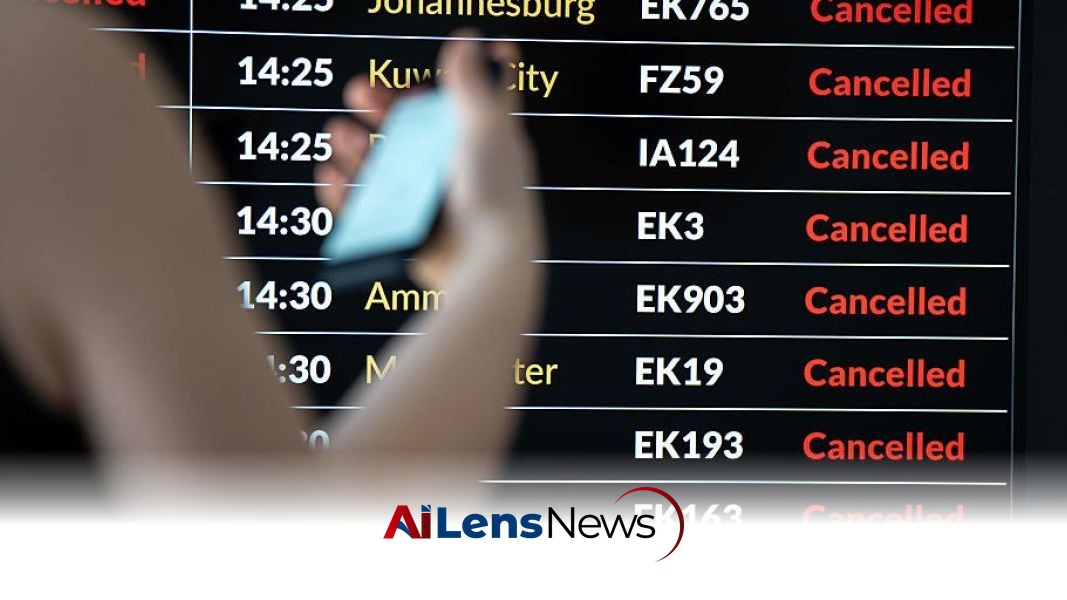


Kalshi has halted its plans to offer contracts for betting on flight cancellations due to fears of potential misuse and data issues.
Washington DC, United States Jul 17, 2026 ALN: Prediction market platform Kalshi has suspended its plans for a controversial new offering: contracts that would allow users to place bets on upcoming flight cancellations. This decision comes amid significant concerns raised by social media users and industry experts about the potential for misuse of such contracts. Critics expressed fears that individuals with insider knowledge, such as airport employees, could manipulate the system to orchestrate flight cancellations for personal gain. Furthermore, the popular airline-tracking service FlightAware stated that Kalshi could not use its data to resolve the contracts, adding another layer of complexity to the situation.
Kalshi had initially intended to launch these flight cancellation contracts on a Wednesday, as indicated in a regulatory filing. However, by Thursday, a spokesperson for the company confirmed that they had decided to halt the launch for the time being. The proposed contracts were designed to apply to airport-wide cancellations rather than individual flights, and they included strict regulations to prohibit individuals with insider access—such as Transportation Security Administration (TSA) agents, airport personnel, and union officials—from participating in the betting process. Despite these safeguards, public skepticism remained high. Many critics voiced concerns that airport workers might conspire to cancel flights in order to profit from the wagers, or that malicious actors could potentially make false threats to disrupt air travel.
In a lighter vein, several social media users referenced a plot from the popular TV comedy series Seinfeld, where betting on flight delays was a central theme. This connection highlights the cultural resonance of the idea, even as it underscores the serious implications of the proposed betting contracts.
While it is uncertain how justified the concerns over Kalshi's flight cancellation contracts were—especially given the prohibition against insider betting and the severe legal consequences for making threats or hoaxes related to the aviation sector—these fears were enough to warrant a reevaluation of the offering. Frequent travelers, particularly those who often fly through hubs known for weather-related disruptions, such as Denver International Airport and Newark Liberty International Airport, might have seen the potential for using prediction markets as a financial hedge against the unpredictability of flight cancellations.
Kalshi’s spokesperson explained that these flight cancellation contracts could have served as a valuable hedging instrument for various stakeholders, including conference organizers and businesses that are highly sensitive to the reliability of air travel. The spokesperson also contended that FlightAware's assertion that Kalshi could not utilize its data was unfounded, claiming that the information in question is publicly available. This dispute over data usage reflects broader tensions in the prediction market industry, where data integrity and accessibility are critical to the operation of such platforms.
The controversy surrounding Kalshi’s flight cancellation contracts is not an isolated incident but rather the latest in a series of challenges facing the prediction market industry. Proponents of prediction markets argue that they offer a unique and valuable source of market intelligence, allowing individuals to place informed bets based on collective knowledge and insights. However, critics argue that these markets can become platforms for mischief, reckless gambling, and potential ethical violations.
On the same day that Kalshi announced the suspension of its flight cancellation contracts, another story broke that further complicated the narrative surrounding the company. Reports revealed that Donald Trump’s longtime teleprompter operator had illegally used Kalshi to place bets on the specific words the President would utter during speeches. This revelation raised significant ethical questions about the integrity of prediction markets and their susceptibility to insider trading. Kalshi’s legal team responded to the situation by stating that the company had detected the suspicious trades and promptly reported them to the Commodities and Futures Trading Commission (CFTC), underscoring their commitment to regulatory compliance and ethical standards.
The implications of these events extend beyond Kalshi and the flight cancellation contracts. They raise critical questions about the future of prediction markets and their regulation in the United States. As these platforms gain popularity and become more mainstream, regulators may need to consider how to balance the innovative potential of prediction markets with the need to prevent abuse and ensure fair play. The recent incidents could lead to increased scrutiny from regulatory bodies, which may prompt calls for stricter oversight and clearer guidelines regarding what constitutes acceptable practices within prediction markets.
Moreover, the discussions surrounding Kalshi’s flight cancellation contracts highlight a broader societal debate about the ethics of betting on real-world events, particularly those that can have significant implications for public safety and well-being. As prediction markets continue to evolve, stakeholders—including regulators, platform operators, and users—will need to engage in ongoing dialogue to address these concerns while also exploring the potential benefits that such markets can offer.
In conclusion, the suspension of Kalshi's flight cancellation betting plans serves as a reminder of the complexities and challenges that come with operating prediction markets. While the concept of betting on flight cancellations may have intrigued some, the potential for misuse and the ethical implications of such practices have led to a necessary pause for reflection and reassessment. As the prediction market industry navigates these turbulent waters, the outcomes of these discussions will likely shape the future landscape of betting and market intelligence in the digital age.
To learn more about the latest developments in Economy, stay updated with our exclusive reports and analyses on AiLensNews.

