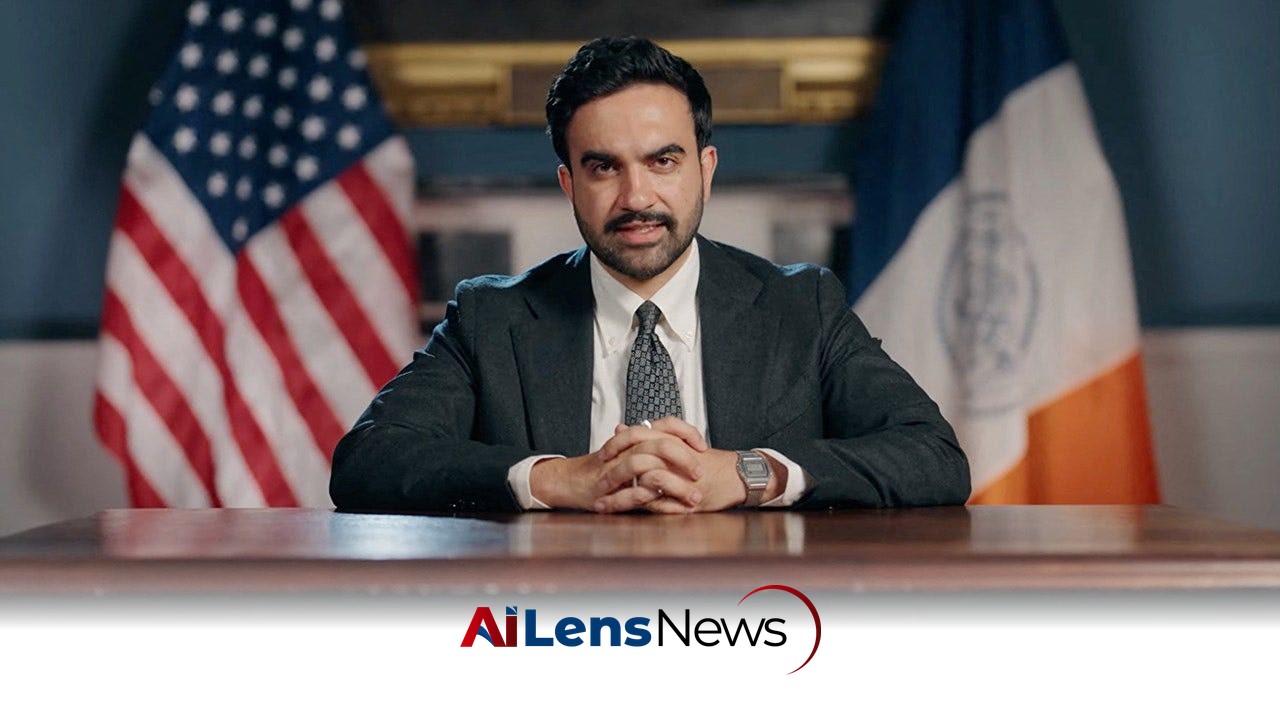


Following a stabbing incident in Manhattan, Jewish leaders criticize Mayor Zohran Mamdani's statements, claiming they contribute to a hostile environment for Jewish New Yorkers.
Washington DC, United States Jul 24, 2026 ALN: Jewish leaders in New York City are voicing their concerns regarding the rhetoric of Mayor Zohran Mamdani amid an ongoing investigation into a pair of stabbings in Manhattan’s Upper West Side, incidents that authorities are examining as potential hate crimes. The situation has escalated tensions within the community, as leaders accuse the mayor of exacerbating an already volatile environment.
The stabbings occurred on a Thursday afternoon, reportedly leaving both victims in stable condition. The suspect, identified by authorities as Raul Morales, 51, allegedly shouted "Allahu Akbar" during the attack. This phrase, which has been historically linked to acts of violence and terrorism, has raised alarm bells within the community, prompting a swift response from Jewish leaders who are increasingly concerned about rising antisemitism in the city.
Eric Goldstein, the CEO of the UJA-Federation of New York, articulated the fears of many within the Jewish community. He stated that when the mayor uses his platform to "relentlessly single out and demonize Israel, the world's only Jewish state," it contributes to a climate of hostility and fear for Jewish New Yorkers. Goldstein's comments reflect a growing sentiment that political rhetoric can have real-world consequences, particularly in a city with a significant Jewish population.
Goldstein urged Mayor Mamdani to cease what he described as "fanning the flames of hatred and division," emphasizing that the repercussions of such rhetoric are tangible and dangerous. His assertion that the Jewish community, the largest outside of Israel, will continue to assert their presence in New York City highlights a determination to stand against hate, even in the face of increasing violence.
Rabbi Yosie Levine of The Jewish Center echoed Goldstein's sentiments, lamenting the shift in the atmosphere surrounding Jewish institutions. He noted that in his youth, security was only present during high-profile visits from public officials. However, he expressed concern that now, the need for police protection has become a routine necessity, indicating a troubling trend of insecurity within the community.
In an effort to address the criticism, Mayor Mamdani's office pointed to his previous statements affirming a zero-tolerance policy for antisemitism and hatred in New York City. During an interview with NY1, he emphasized the city’s commitment to diversity and inclusion, stating, "This is a city that believes in the beauty and the breadth of all of its five boroughs and everyone who calls it home." His remarks were intended to convey a message of unity and accountability for those who perpetrate hate crimes.
Despite this, Mamdani's comments regarding Israeli Prime Minister Benjamin Netanyahu have drawn ire from Jewish leaders. The mayor defended his statements as critiques based on objective facts rather than personal biases, insisting that his focus remains on ensuring the safety of all New Yorkers, regardless of their background or beliefs. This defense, however, has not quelled the concerns of those who believe that his rhetoric could incite further violence against the Jewish community.
Witnesses to the stabbing incident described it as "scary," with Rabbi Levine articulating the profound implications of such violence occurring so close to the Jewish center. He remarked, "To have been stabbed 200 feet from the Jewish center evokes all the worst images of the Jewish past," underscoring the historical trauma associated with antisemitic violence. Levine's assertion that Jews should feel safe walking home from their places of worship during the day reflects a broader concern for the safety of minority communities in urban environments.
Goldstein further criticized Mamdani's recent video in which he labeled Netanyahu a "war criminal," labeling it as "political grandstanding" with serious implications for the Jewish community in New York. This statement underscores the delicate balance public officials must maintain when discussing international issues, particularly those that intersect with local communities and their safety.
As the investigation into the stabbings continues, New York Attorney General Letitia James has stated that, after consulting with the NYPD commissioner and local district attorney, they have opted not to draw conclusions regarding the motivations behind the attacks. James emphasized the importance of unity against hate, stating, "We must stand together against any form of hate in New York." This call for solidarity is crucial in a city that has historically prided itself on its diversity and tolerance.
The implications of this incident extend beyond the immediate concerns of safety and rhetoric. They highlight the ongoing challenges faced by marginalized communities in navigating a landscape where political discourse can have tangible effects on public sentiment and individual security. The rising tide of hate crimes, particularly against Jews, has prompted calls for more robust measures to protect vulnerable populations.
In recent years, New York City has seen a notable increase in antisemitic incidents, which has led to heightened security measures at synagogues, schools, and community centers. This trend underscores the urgent need for public officials to approach discussions about sensitive topics with care and consideration, recognizing the potential impact of their words on community safety.
As the situation develops, the Jewish community in New York City remains vigilant, advocating for their rights and safety while calling for responsible leadership in addressing issues of antisemitism and hate. The discourse surrounding this incident serves as a reminder of the responsibilities that come with public office and the profound effects that rhetoric can have on community dynamics.
In conclusion, the response from Jewish leaders to Mayor Mamdani's rhetoric reflects a broader concern about the intersection of politics and community safety. As investigations into the stabbings continue, the need for unity against hate and a commitment to fostering a safe environment for all New Yorkers remains paramount. The challenges faced by the Jewish community, and indeed all minority populations, call for thoughtful dialogue and decisive action from leaders to ensure that history does not repeat itself in the face of rising intolerance.
To learn more about the latest developments in Crime & Law, stay updated with our exclusive reports and analyses on AiLensNews.

