

More
Checking your session
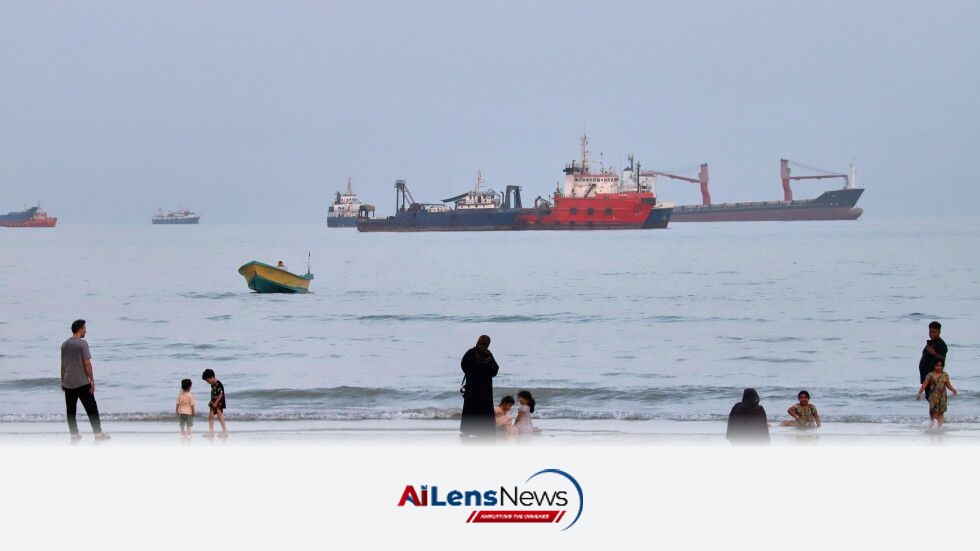



Iran has issued a warning that it will prohibit military vessels from transiting the Strait of Hormuz if an agreement with Oman is finalized, raising concerns in the region.
Washington DC, United States Aug 27, 2026 ALN: In a significant development, Iran has warned that it may impose a ban on military vessels transiting through the Strait of Hormuz if a potential agreement with Oman is finalized. This warning highlights the ongoing tensions in the region, particularly concerning maritime security and the movement of military assets. The Strait of Hormuz is a critical waterway, through which a substantial portion of the world's oil supply passes. Iran's threats come amid a backdrop of heightened military activity and geopolitical maneuvering in the Middle East.
The Strait of Hormuz is not only vital for oil transport but also serves as a strategic chokepoint for global trade. Approximately 20% of the world's oil supply flows through this narrow passage, making it a focal point for international maritime operations. The implications of any military ban could reverberate through global markets, impacting oil prices and energy security worldwide.
The Iranian government has been in discussions with Oman regarding various security arrangements. Oman, which maintains a neutral stance in the regional conflicts, has historically acted as a mediator in Gulf affairs. If an agreement is reached, it could lead to significant changes in how military vessels operate in this vital maritime corridor. Iran's military officials have stated that any foreign military presence in the Strait would be viewed as a threat to national security. This assertion reflects Iran's longstanding position that it must protect its territorial waters and ensure its sovereignty against perceived external threats.
In recent years, the Iranian government has increased its naval capabilities and conducted various military exercises in the region, demonstrating its readiness to respond to any perceived provocations. The discussions with Oman may aim to establish a framework for ensuring that Iranian security concerns are addressed while also allowing for the safe passage of commercial vessels. However, the potential for misunderstanding and miscalculation remains high, especially given the complex web of alliances and hostilities in the region.
The potential ban on military ships could escalate tensions not only between Iran and its regional adversaries but also with Western nations that maintain a military presence in the Gulf. The United States, in particular, has a significant naval fleet stationed in the region, aimed at ensuring freedom of navigation and deterring Iranian aggression. Analysts suggest that such a move could provoke a response from the United States and its allies, who rely on the Strait for the safe passage of naval vessels.
Moreover, the Gulf Cooperation Council (GCC) countries, which include Saudi Arabia, the United Arab Emirates, and Bahrain, among others, may feel compelled to bolster their own military readiness in response to Iran's warning. The GCC states have historically viewed Iran with suspicion, particularly in light of its nuclear ambitions and support for proxy groups across the region. Any shifts in military policy regarding the Strait of Hormuz could thus lead to an arms race or increased military posturing among the Gulf states.
International reactions to Iran's warning have been mixed. Some countries have expressed concern over the implications for global oil supply and maritime security, while others have called for diplomatic engagement to de-escalate tensions. The European Union, for instance, has emphasized the importance of maintaining open maritime routes and has urged all parties to pursue dialogue rather than confrontation.
Furthermore, organizations such as the International Maritime Organization (IMO) have reiterated the necessity for cooperation among nations to ensure the safety of shipping lanes. The potential for increased military presence in the Strait could lead to heightened risks of confrontations at sea, which could impact not only military vessels but also commercial shipping, thereby affecting global trade.
The Strait of Hormuz has been a flashpoint for conflict in the past, with Iran frequently asserting its influence over the waterway. Historical events, such as the 1980s tanker war during the Iran-Iraq War, underscore the volatility of the region. The region has seen numerous incidents involving military vessels, leading to calls for increased security measures and international cooperation.
In recent years, tensions have escalated due to various factors, including U.S. sanctions on Iran, the assassination of Iranian military leaders, and Iran's alleged involvement in attacks on oil tankers. These incidents have contributed to a climate of mistrust and hostility, making any negotiations regarding military presence in the Strait particularly sensitive.
As negotiations between Iran and Oman continue, the situation remains fluid. The international community will be closely monitoring developments, as any changes in military transit policies could have far-reaching implications for regional stability and global energy markets. The potential for conflict in the Strait of Hormuz serves as a reminder of the intricate balance of power in the Middle East and the delicate nature of international relations in this strategically significant region.
To learn more about the latest developments in World News & International Affairs, stay updated with our exclusive reports and analyses on AILensNews.