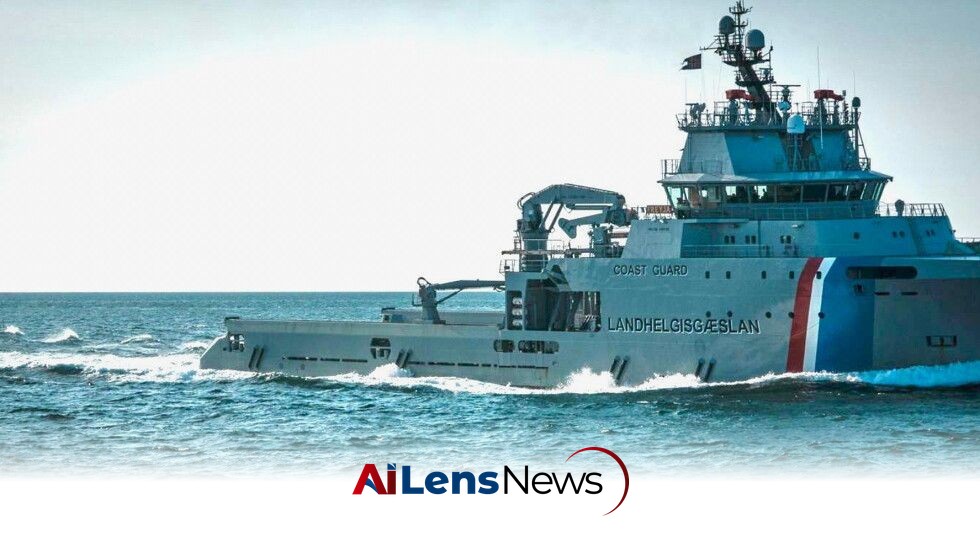


Icelandic authorities have seized a ship operated by the Paul Watson Foundation, detaining its crew amid ongoing anti-whaling protests.
Washington DC, United States Aug 2, 2026 ALN: Icelandic coast guards and special forces have seized a ship operated by a group founded by anti-whaling activist Paul Watson. The incident occurred as part of Iceland's ongoing efforts to enforce its whaling regulations, which have been a point of contention both domestically and internationally.
The vessel, known for its involvement in anti-whaling activities, was intercepted while conducting protests against Iceland's whaling practices. The crew members were detained during the operation, which has sparked discussions about the legality and ethics of whaling in the region. This incident is not isolated; rather, it is part of a larger narrative surrounding whaling activities in Iceland, a country that has maintained a controversial stance on the issue despite international pressure.
The Paul Watson Foundation, founded by the renowned environmental activist, has been at the forefront of marine conservation efforts, particularly focusing on the protection of whales. Watson, a co-founder of Greenpeace, has since established his own organization dedicated to direct action against practices he deems harmful to marine life. His methods often involve direct confrontation, which has led to significant legal battles and confrontations with whaling authorities in various countries, including Japan and Norway, where whaling is also practiced.
Watson's approach has garnered both support and criticism. Supporters argue that his aggressive tactics are necessary to draw attention to the plight of whales and other marine species threatened by human activities, while detractors claim that such methods can exacerbate tensions and lead to dangerous confrontations. The foundation has been involved in numerous high-profile campaigns, including efforts to disrupt whaling fleets and to rescue marine animals from captivity.
Watson's philosophy is rooted in the belief that direct action is a vital tool in the fight against environmental degradation. He has often stated that traditional methods of advocacy, such as lobbying and public awareness campaigns, are insufficient to combat the powerful interests that drive whaling and other destructive practices. This philosophy has led to a polarized view of his organization, with some seeing it as a necessary force for good while others view it as a radical group that undermines lawful processes.
On July 30, 2026, the Icelandic Coast Guard acted on intelligence regarding the ship's activities. The operation was swift, with special forces boarding the vessel and detaining its crew without incident. Eyewitnesses reported that the crew was cooperative during the seizure, which may reflect an understanding of the legal ramifications of their actions in Icelandic waters. The ship was reportedly engaged in protests aimed at documenting and obstructing the hunting of whales, a practice that has been a part of Icelandic culture and economy for centuries.
The legal framework surrounding whaling in Iceland is complex. Iceland resumed commercial whaling in 2006 after a pause, citing scientific research and cultural practices as justifications. However, this has been met with widespread condemnation from environmental groups and international organizations, including the International Whaling Commission (IWC), which aims to regulate whaling and promote the conservation of whale populations globally. The seizure of the Paul Watson Foundation's ship underscores the tension between Iceland's legal rights to whaling and the global movement advocating for the protection of marine life.
Legal experts note that Iceland's whaling practices are defended under its sovereignty and rights to manage its natural resources. The country has argued that its whaling is sustainable and that it adheres to international guidelines, even as it faces criticism for its decision to continue whaling when many other nations have adopted moratoriums. This situation places Iceland in a unique position, balancing its cultural heritage against growing global expectations for conservation.
Environmental organizations have expressed mixed reactions to the seizure. While some applaud Iceland's enforcement of whaling laws, others criticize the government's approach to silencing anti-whaling activists. “This is a clear attempt to stifle dissent against whaling practices,” stated a representative from a leading environmental group. This sentiment is echoed by many who believe that the actions taken against the Paul Watson Foundation are indicative of a broader trend of repression against environmental activism.
Many environmentalists argue that the detention of the crew represents a chilling effect on activism, where individuals and organizations are discouraged from taking action against practices they view as harmful. The fear of legal repercussions may lead to a decrease in public demonstrations and other forms of protest, which are vital for raising awareness and advocating for change.
In contrast, supporters of Iceland's whaling practices argue that the country has the right to manage its natural resources as it sees fit, including the sustainable harvesting of whale populations. They contend that whaling is an integral part of Icelandic heritage and that it contributes to local economies. This dichotomy between conservation efforts and traditional practices is a central theme in the ongoing debate over whaling.
Moreover, the cultural significance of whaling in Iceland cannot be understated. For many Icelanders, whaling is not merely an economic activity but a part of their identity, intertwined with their history and customs. This cultural context adds layers to the conflict, as it raises questions about the preservation of national heritage versus the imperatives of global conservation efforts.
The seizure raises questions about the future of anti-whaling activism in Iceland and the broader implications for marine conservation efforts. As tensions between whalers and activists continue, both sides are preparing for a protracted battle over the rights to hunt and protect marine life. The incident may embolden anti-whaling groups to increase their efforts, potentially leading to further confrontations with Icelandic authorities.
Moreover, this event could influence international perceptions of Iceland's commitment to marine conservation. As global awareness of environmental issues grows, the actions taken by Iceland may be scrutinized by foreign governments and international organizations. If Iceland is perceived as suppressing legitimate environmental activism, it could lead to diplomatic repercussions and affect tourism, which is a significant part of the Icelandic economy.
Tourism in Iceland has increasingly focused on its natural beauty and unique wildlife, including whale watching. If anti-whaling sentiments grow internationally, it could deter tourists who may choose to avoid a destination perceived as hostile to environmental protection. The economic implications of such a shift could be significant, prompting discussions within the Icelandic government about balancing economic interests with environmental responsibilities.
Additionally, the legal ramifications of this incident may lead to new legislation or amendments to existing laws regarding environmental activism and conservation efforts in Iceland. The balance between enforcing whaling regulations and allowing for dissenting voices in the conservation community will be a critical issue for policymakers moving forward.
As Iceland navigates these complex waters, the outcomes of this incident may set precedents for how similar conflicts are addressed in other nations. The global community is increasingly aware of environmental issues, and how countries respond to activism can shape international relations and influence conservation policies worldwide.
The incident highlights the ongoing conflict between conservation efforts and traditional whaling practices. As the world watches, the actions taken by Iceland may set a precedent for how such disputes are handled in the future. The outcome of this confrontation could shape the landscape of marine conservation, influencing not only Iceland but also other nations grappling with similar issues. The tension between economic interests, cultural heritage, and environmental stewardship continues to be a defining challenge in the 21st century, requiring careful navigation by all stakeholders involved.
To learn more about the latest developments in Crime & Law, stay updated with our exclusive reports and analyses on AiLensNews.

