

Hurricane Lala has passed near Hawaii's Big Island without making landfall, bringing strong winds and heavy rain to the region. Authorities are monitoring the situation as the storm is expected to weaken.
Washington DC, United States Aug 16, 2026 ALN: Hurricane Lala has skirted the shores of Hawaii's Big Island without making landfall, yet it has still unleashed significant weather impacts on the region. As the storm approached, residents experienced heavy winds and torrential rain, prompting local authorities to issue warnings and prepare for potential flooding and power outages.
The hurricane, which formed in the Pacific, was closely monitored by the National Oceanic and Atmospheric Administration (NOAA). As of now, it is expected to weaken further as it moves away from the islands, but the effects of its passage are still being felt. The phenomenon of hurricanes in the Pacific, particularly during the hurricane season which typically runs from June 1 to November 30, is not uncommon. Hawaii is situated in a region that can be affected by tropical storms and hurricanes, particularly those that develop in the eastern Pacific Ocean.
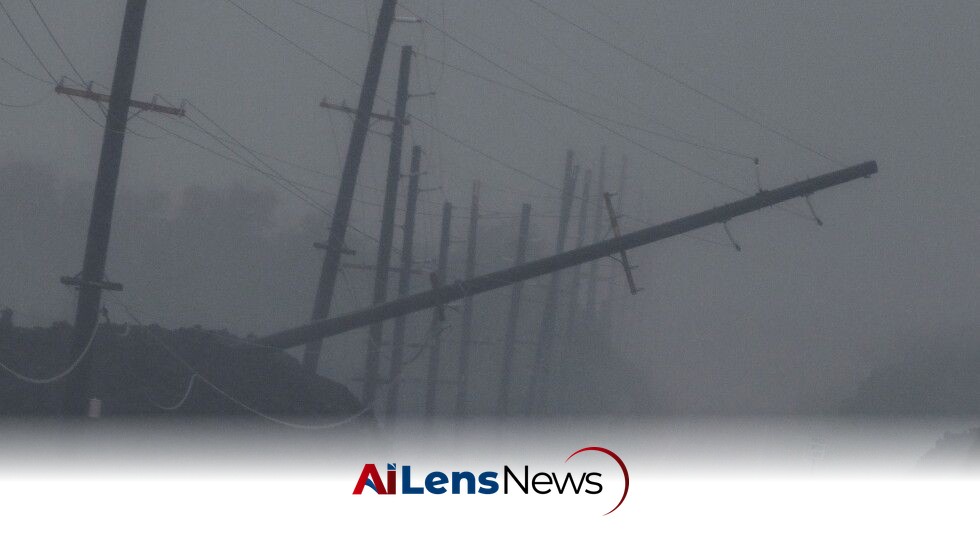
On Saturday, August 15, 2026, reports indicated that strong winds had downed trees and power lines across various areas, particularly near Ocean View. A vehicle was spotted navigating through the debris-laden roads, highlighting the challenges faced by residents in the aftermath of the storm. The heavy winds, which at times reached speeds of over 60 miles per hour, caused widespread damage, including the uprooting of trees and destruction of property. Emergency responders were deployed to assist with road clearance and to restore power to affected areas. The aftermath of such storms often necessitates a coordinated response from local and state agencies to ensure the safety and well-being of residents.
In addition to wind damage, rising water levels were observed at critical locations, including the Wainaku Street Bridge in Hilo. Authorities are urging residents to remain vigilant as the potential for flooding persists. Rainfall totals in some areas exceeded several inches, leading to concerns about flash flooding. Emergency management officials have been monitoring river levels and drainage systems, which can quickly become overwhelmed during such weather events. The combination of heavy rainfall and the saturated ground from previous storms creates a precarious situation for flooding, which can pose serious risks to life and property.
Residents have been seen gathering supplies and preparing for the worst. In Hawaiian Ocean View, community members were actively involved in securing their homes and assisting neighbors. The spirit of cooperation was evident as people worked together to navigate the challenges posed by Hurricane Lala. Local organizations and community groups mobilized to provide resources, such as food, water, and shelter for those in need. This kind of community resilience is crucial in the face of natural disasters, as it fosters a sense of solidarity and support among residents. The Hawaiian culture, which emphasizes 'ohana' or family, extends beyond blood relations, often encompassing entire neighborhoods and communities, which can significantly aid recovery efforts.
As Hurricane Lala continues to move away from the Big Island, meteorologists are keeping a close watch on its trajectory. While the storm is expected to weaken, the region remains on alert for any residual effects. Local authorities are advising residents to stay informed through official channels and prepare for any necessary safety measures. This includes remaining aware of weather updates, having an emergency kit ready, and knowing evacuation routes in case conditions worsen. The experience of Hurricane Lala serves as a reminder of the unpredictability of weather systems and the importance of preparedness in mitigating the impact of such events.
In conclusion, Hurricane Lala's impact on Hawaii's Big Island serves as a reminder of the power of nature and the importance of community resilience in the face of adversity. As the region begins to recover, it will be essential for residents and officials to reflect on the lessons learned from this event to better prepare for future storms. The ongoing challenges posed by climate change and increasing storm intensity underscore the need for continued investment in infrastructure and emergency preparedness to protect vulnerable communities in Hawaii and beyond.
To learn more about the latest developments in World News & International Affairs, stay updated with our exclusive reports and analyses on AiLensNews.

