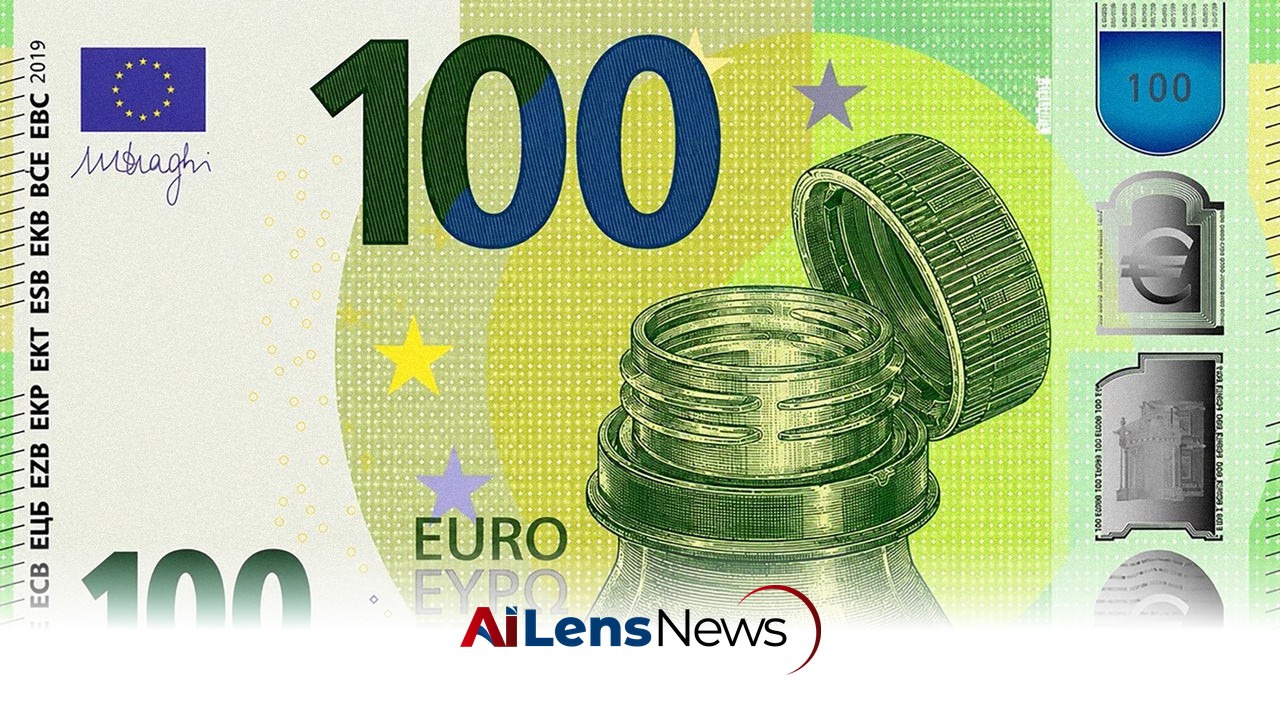


The European Central Bank's call for feedback on new euro banknote designs has sparked a wave of humorous and creative suggestions from social media users.
Washington DC, United States Jul 25, 2026 ALN: Asking the internet for advice can be a dicey game: Users can either be helpful or take the chance to make a joke of it all—as the European Central Bank (ECB) has come to find out. In an era where social media engagement is crucial for institutions seeking public feedback, the ECB's recent foray into crowdsourcing designs for the next generation of euro banknotes has shown both the potential and the pitfalls of this approach.
The financial institution, which oversees banknotes in the European Union, unveiled on July 23 the new design proposals for the next generation of euro banknotes. In an effort to make the decision process more collaborative, the ECB reached out to users on social media, releasing a survey for users to pick their favorite designs. This initiative reflects a broader trend among public institutions to leverage digital platforms for community engagement, allowing citizens to have a say in decisions that impact them.
While American banknotes are known for their distinctly muted color palette, banknotes around the world often feature brighter colors and bolder designs, sporting icons of national culture. The euro, introduced in 2002, has always aimed to represent the diverse cultures of its member states, and the new designs are no exception. Periodically issuing new designs helps the ECB stay on top of anti-counterfeit technology. The new series follows up on the Europa banknote series that rolled out from 2013 through 2019, with users able to vote between two themes: rivers and birds or European culture.
The cultural theme would feature European icons like Maria Callas, Marie Curie, and Miguel de Cervantes, while the nature-focused theme would depict European birds and landscapes. “Euro banknotes are more than a means of payment – they are one of the most tangible expressions of Europe,” Christine Lagarde, president of the ECB, said in the announcement. “Through designs that combine beauty and meaning, they will reinforce our shared identity.” This statement underscores the ECB's recognition of the symbolic power of currency, which not only serves as a medium of exchange but also as a representation of collective European identity.
The designs are a result of over 1,200 applications sent in by graphic designers, ultimately narrowed down by a jury of 21 experts. This rigorous selection process highlights the ECB's commitment to quality and relevance in its currency designs. However, while the ECB is inviting user feedback on the shortlisted designs, users on social media have instead taken the moment to offer alternative design options, showcasing the creative and often humorous responses that can arise in such public consultations.
Some expressed interest in showcasing other forms of European culture instead. For instance, a user shared renders of what banknotes featuring buildings like the Sagrada Familia, the Acropolis, and Notre Dame would look like. “We’re not lacking European buildings to show either, Why the birds?” the user said on X, pointing to the rich architectural heritage that could be represented on the currency. This sentiment reflects a broader desire among citizens to see their cultural landmarks represented in national symbols, which can foster a sense of pride and belonging.
But most turned to satire and humor to respond to the ECB’s callout, with not all of them necessarily referencing Europe. One user shared an image of a 20 euro banknote featuring an image of an open plastic water bottle with an attached cap, a nod to the EU regulation requiring bottle caps to stay attached. In fact, several users shared similar renders, taking the water bottle cap design as an iconic feature of European living. This humorous take illustrates how regulations can become part of the cultural lexicon, reflecting everyday life in a light-hearted manner.
Some are sharing banknote designs featuring pets, like one user who edited images of their dog on the bills, while another added images of a cat. This trend of including beloved pets in currency designs highlights the emotional connections people have with their animals, suggesting a playful approach to currency that resonates with many. Others took a less European creative direction. “These are the best,” a user shared alongside a mockup of euros featuring the anime characters of Vegeta, Bulma, Goku, and Piccolo. Another proposed banknotes depicting characters from the Pokémon world. These creative renditions reflect the global influence of pop culture and its ability to transcend geographical boundaries, even in the context of national currency.
Perhaps not surprisingly, some used the discussion as a chance to voice their opposition to current European administrations. In one of the user-generated designs, a 500 euro bill says “in Inflation we trust.” In another one of the designs, an image of a train is set next to the phrase “delayed but still expensive.” These satirical designs serve as a commentary on pressing economic issues facing Europe, such as inflation and public transportation challenges, reflecting the frustrations of everyday citizens. Such responses can reveal the underlying sentiments of the populace, providing the ECB with insight into public perceptions regarding economic management.
While the improvised alternative designs might not actually be eligible to be chosen, the situation has at least turned new attention to the banknote-choosing process, with the ECB’s survey reaching 17 million views on X. This level of engagement indicates a significant interest in the topic, suggesting that the ECB's efforts to involve the public in its decision-making processes are resonating. Users wishing to participate in the official consultation have until September 21, 2026, to submit their feedback. This extended timeframe allows for broader participation and reflects the ECB's commitment to transparency and inclusivity in its operations.
In conclusion, the ECB's initiative to solicit public input on the new euro banknote designs has sparked a lively conversation across social media platforms. While the humorous and satirical responses may not directly influence the final designs, they highlight the importance of public engagement in shaping national symbols. As the ECB navigates the complexities of representing a diverse and multifaceted Europe, the feedback and creativity from citizens will undoubtedly play a role in defining the future of the euro as a symbol of unity and cultural identity in the continent.
To learn more about the latest developments in Economy, stay updated with our exclusive reports and analyses on AiLensNews.

