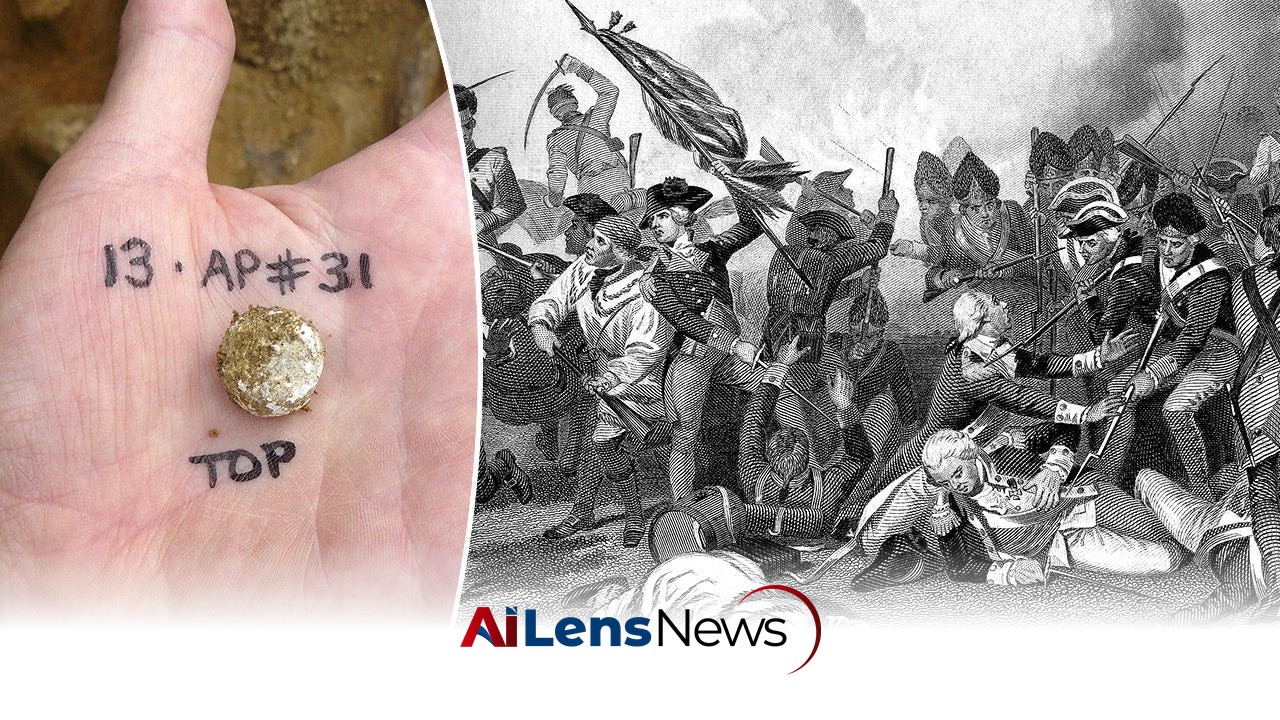


Researchers have identified the remains of Private John Pumphrey, a teenage soldier who died in the Revolutionary War, using advanced DNA techniques.
Washington DC, United States Jul 22, 2026 ALN: The recent identification of a teenage soldier from the Revolutionary War, Private John Pumphrey, highlights not only the advancements in forensic science but also sheds light on the personal stories of those who fought in one of the most turbulent periods in American history. This identification marks a significant milestone as it is believed to be the first instance where a soldier from this era has been identified through DNA analysis and forensic genetic genealogy, techniques that have become increasingly sophisticated in recent years.
Private John Pumphrey's remains were unearthed during an excavation at the Battle of Camden site in South Carolina in 2022. This battle, fought on August 16, 1780, was a pivotal moment in the Revolutionary War, representing one of the Continental Army's most significant defeats. The battle resulted in a devastating loss for American forces, with hundreds of soldiers killed, captured, or wounded, and it is often regarded as a turning point that would affect the morale and strategies of the Continental Army in the Southern Campaign.
The Battle of Camden was characterized by a series of tactical missteps and logistical challenges faced by the American forces under the command of General Horatio Gates. The Continental Army, which had previously celebrated victories, found itself ill-prepared against the British troops, who were well-trained and experienced. The aftermath of Camden was dire, leading to a reassessment of military strategies and a shift in leadership within the American ranks. The defeat not only dampened spirits but also led to a retreat that would have lasting implications on the Southern Campaign of the Revolutionary War.
Pumphrey, believed to have been between 16 and 18 years old at the time of his death, enlisted in the Continental Army around 1777, a decision that was not uncommon for young boys of the era. Historical accounts indicate that many young men, driven by a sense of duty or adventure, often lied about their ages to join the military ranks. According to Allison Peacock, president of FHD Forensics, the enlistment of young boys was a practice that, while not highly unusual, was still considered rare. The societal norms of the time allowed for such practices, particularly in the context of the desperate need for soldiers during the Revolutionary War.
During the Revolutionary War, the average age of soldiers varied widely, but it was not uncommon to see teenagers in the ranks. This phenomenon can be attributed to several factors, including the fervent desire for independence, the influence of local militias, and the societal expectations placed upon young men. Many families encouraged their sons to enlist, viewing military service as a rite of passage or a demonstration of loyalty to the burgeoning nation. The motivations for joining the military were complex and multifaceted, often intertwined with personal, familial, and societal pressures.
The identification process utilized by FHD Forensics involved extracting DNA from a small piece of Pumphrey's skull, which enabled researchers to trace his lineage through genetic connections. This method of identification not only serves to honor the individual soldier but also adds depth to the historical narrative surrounding the Battle of Camden. By connecting Pumphrey to prominent families in Anne Arundel County, Maryland, researchers have begun to piece together the social and familial circumstances that may have influenced his decision to enlist. The Pumphrey family, known for their involvement in lumber, building, and land ownership, belonged to the gentry class, which raises questions about the motivations behind a young boy's choice to join the army.
The research team discovered that following the deaths of Pumphrey's parents, there were significant upheavals regarding his father's estate. This familial turmoil, combined with the proximity of their residence to Baltimore, provides a clearer picture of the young soldier's motivations. The historical context of the time, marked by the struggle for independence and the chaos of war, likely played a considerable role in shaping the decisions of young men like Pumphrey, who may have felt compelled to contribute to the fight for freedom. The loss of parental figures often led to young men seeking purpose or stability in service to their country, reflecting a broader societal trend during the war.
As researchers continue their work, they express optimism that similar identification techniques can be applied to other unidentified remains from the Battle of Camden. Peacock noted that securing funding for such projects is crucial for expanding their research capabilities. The potential to identify additional soldiers could further enrich our understanding of the battle and the personal stories of those who fought in it. The application of modern forensic techniques to historical contexts not only aids in identification but also enhances the narrative surrounding these individuals, allowing their stories to be told in a more complete manner.
The implications of this identification extend beyond mere historical interest. It challenges existing narratives about the demographics of soldiers in the Revolutionary War and prompts a reevaluation of the experiences of young men who participated in the conflict. The ability to identify individuals through DNA not only honors their service but also humanizes the historical events that shaped the nation. By shedding light on the lives of soldiers like Pumphrey, historians can better understand the diverse motivations and backgrounds of those who fought for independence.
Moreover, the techniques employed in this case could pave the way for further advancements in forensic archaeology and genealogy, offering a new lens through which to examine historical battles and the individuals who fought in them. The integration of modern science with historical inquiry opens up possibilities for uncovering the lives of countless others who remain nameless in the annals of history. The use of DNA analysis in archaeology is a growing field, and as methodologies improve, the potential for uncovering lost histories expands significantly.
As the remains of Private John Pumphrey are set to be reburied with military honors in 2024, this event will serve as a poignant reminder of the sacrifices made by young soldiers during the Revolutionary War. It also emphasizes the importance of remembering and honoring those who fought for the ideals of freedom and independence, even when their stories have been lost to time. The identification of Pumphrey is not just a scientific achievement; it is a step towards restoring the dignity and recognition that every soldier deserves. The reburial ceremony is expected to draw attention from historians, genealogists, and the public, highlighting the enduring legacy of those who fought for American independence.
In conclusion, the identification of Private John Pumphrey through DNA analysis represents a significant advancement in the field of forensic genealogy and provides a unique opportunity to revisit and rewrite aspects of American history. As researchers continue to explore the lives of Revolutionary War soldiers, the stories that emerge will undoubtedly enrich our understanding of this formative period in American history, reminding us that behind every name and date lies a human story that deserves to be told. The case of John Pumphrey serves as a testament to the power of modern science in uncovering the past and ensuring that the sacrifices of individuals like him are not forgotten.
To learn more about the latest developments in Crime & Law, stay updated with our exclusive reports and analyses on AiLensNews.

