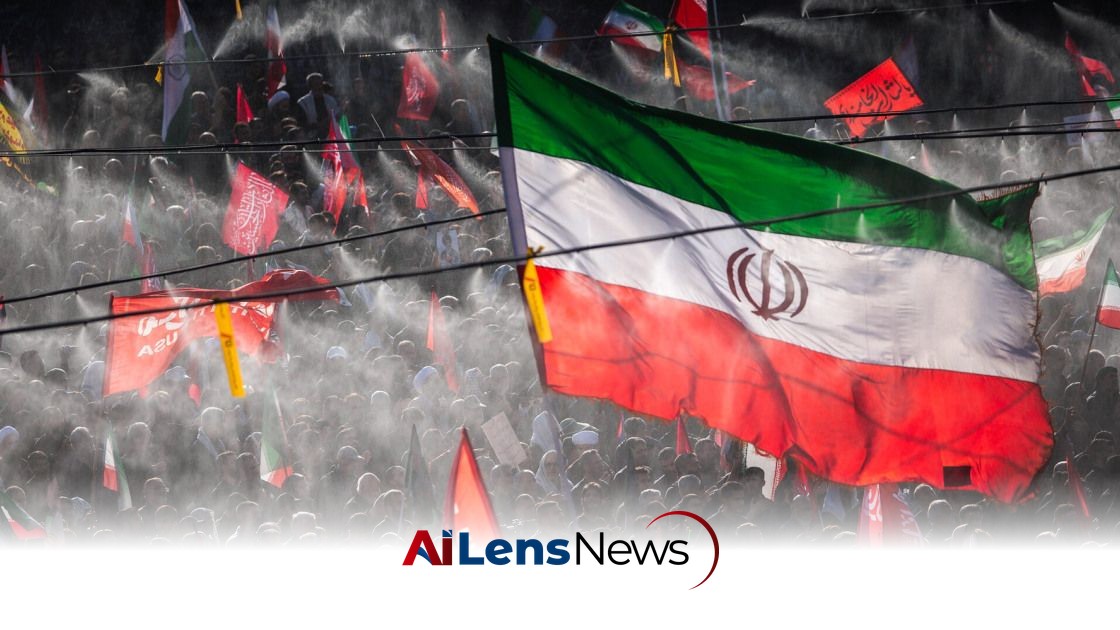


American citizen Dena Karari has been released from Iran after being held since December 2024. President Trump and her lawyer confirmed her safe return.
Washington DC, United States Jul 16, 2026 ALN: The recent release of Dena Karari, a U.S. citizen who had been held in Iran since December 2024, marks a significant moment in the ongoing tensions between the United States and Iran. Announced by President Donald Trump and her attorney, the news has generated considerable attention given the backdrop of strained diplomatic relations and the complex landscape of U.S.-Iran interactions. The case of Dena Karari is not just an isolated incident; it reflects a broader pattern of detentions of American citizens in Iran, which has become a pressing issue in U.S. foreign policy.
Dena Karari’s case is emblematic of the broader challenges faced by American citizens in Iran, particularly those involved in humanitarian work. Working with the Children of Mehr Foundation, an organization dedicated to supporting impoverished children in Iran, Karari became embroiled in a situation that saw her subjected to intense scrutiny by Iranian authorities. Her detention, characterized by her lawyer Jared Genser as based on "bogus charges," highlights the precarious nature of foreign nationals' safety in Iran, especially those engaged in philanthropic efforts. The Iranian government has been known to view foreign NGOs with suspicion, often associating them with espionage or foreign interference, which complicates the landscape for humanitarian workers.
President Trump, in his announcement on Truth Social, described the release as a gesture of goodwill from Iran, emphasizing the importance of diplomatic negotiations even amidst military posturing and political rhetoric. His administration has been known for its hardline stance against Iran, which has included the imposition of sanctions and military interventions. The timing of Karari’s release, coinciding with increased military pressure from the U.S. on Tehran, raises questions about the interplay between diplomacy and military strategy in securing the freedom of detained citizens. Historically, the U.S. has utilized hostage negotiations as leverage in broader geopolitical discussions, and Karari's release could be viewed as a potential opening for dialogue, despite the ongoing tensions.
Genser, who has represented several Americans detained in Iran, expressed relief and joy at Karari's release, crediting the efforts of the U.S. government in securing her freedom. He noted that while Karari was not physically detained, she faced severe restrictions, including a coercive exit ban and extensive interrogations by the Iranian Intelligence Ministry. These conditions reflect the often ambiguous and perilous situation for those working in non-profit sectors in Iran, where governmental oversight can lead to accusations of espionage or other politically motivated charges. The Iranian regime's approach to dissent and foreign influence often leads to a chilling effect on civil society, where individuals may refrain from engaging in humanitarian efforts due to fear of reprisal.
The Children of Mehr Foundation, which Karari worked with, provides essential services to children in need, relying on private donations and operating under the guidelines of the U.S. Treasury Department’s Office of Foreign Assets Control (OFAC). This relationship underscores the complexities of international humanitarian work, particularly in regions where U.S. sanctions are in place. The foundation's mission is critical, aiming to alleviate the suffering of impoverished children in Iran, but it also places its workers at risk of governmental scrutiny. The organization operates in a challenging environment, navigating not only the restrictions imposed by U.S. sanctions but also the potential backlash from Iranian authorities who may view their work as a threat to national sovereignty.
In light of Karari's release, Genser has called on Iran to drop charges against local Iranians who worked with the foundation, further emphasizing the need for humanitarian efforts to continue without the threat of political retribution. This plea highlights the ongoing plight of many individuals in Iran who face legal challenges simply for engaging in charitable work, a situation that often leads to broader implications for civil society in the country. The Iranian government's treatment of humanitarian workers can deter future efforts and exacerbate the challenges faced by those in need, as organizations may be hesitant to operate in such a hostile environment.
Karari's release comes at a time when several other Americans remain detained in Iran, including Reza Valizadeh and Kamran Hekmati, both of whom have been publicly designated as wrongfully detained by the U.S. State Department. The ongoing detentions of American citizens in Iran are a point of contention in U.S.-Iran relations, often serving as a bargaining chip in diplomatic negotiations. The U.S. government has repeatedly called for the release of its citizens, framing their detentions as violations of international norms and human rights. The issue of wrongful detentions has gained increasing prominence in U.S. foreign policy discussions, with advocates urging the government to prioritize the safety of its citizens abroad.
The implications of Karari's release extend beyond her personal circumstances, reflecting the broader geopolitical dynamics at play. As the U.S. and Iran navigate their fraught relationship, cases like Karari's can serve as both a catalyst for dialogue and a reminder of the human cost of political tensions. Each release can signal a potential thawing in relations, yet the underlying issues that lead to such detentions remain unresolved, perpetuating a cycle of mistrust and confrontation. The interplay between humanitarian efforts and political negotiations underscores the complexity of U.S.-Iran relations, where the fates of individuals can become entangled with national interests.
As Karari makes her way back to the United States, her case will likely continue to resonate within the context of U.S. foreign policy toward Iran. The Biden administration, which has taken a different approach compared to Trump's hardline tactics, may face pressure to address the issue of detained Americans more vigorously. The complexities of negotiating with Iran, a nation with a history of contentious relations with the U.S., require a delicate balance of diplomacy, pressure, and humanitarian considerations. The administration's approach will be closely watched by both domestic and international observers, particularly as it pertains to the treatment of American citizens abroad.
In conclusion, Dena Karari's release is a significant development in the ongoing narrative of U.S.-Iran relations. It underscores the challenges faced by American citizens abroad, particularly those involved in humanitarian efforts, and highlights the intricate dynamics of diplomacy, human rights, and international relations. As the situation continues to evolve, the stories of those like Karari serve as poignant reminders of the human element in geopolitical conflicts. The resolution of such cases is critical not only for the individuals involved but also for the broader implications for U.S.-Iran relations and the future of humanitarian work in regions affected by political turmoil.
To learn more about the latest developments in World News & International Affairs, stay updated with our exclusive reports and analyses on AiLensNews.

